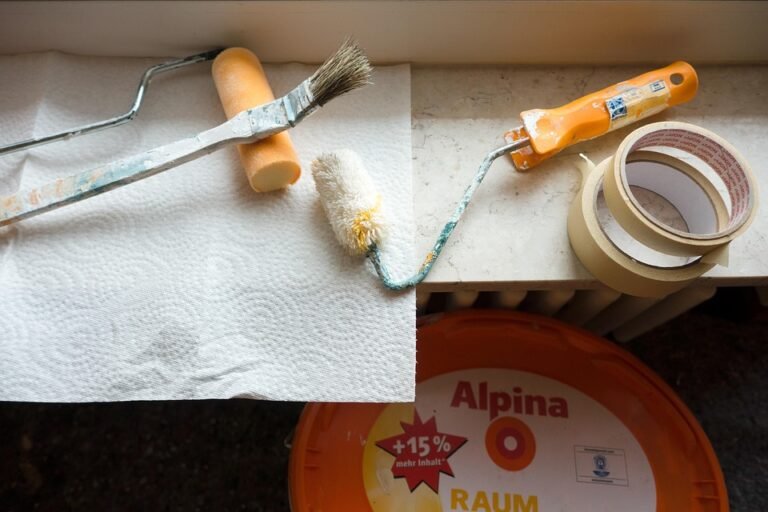
Engaging in DIY projects can be both rewarding and practical. It enables homeowners to personalize their spaces while developing craftsmanship skills and saving money. Whether you’re considering a small decor improvement or a major remodel, being familiar with the art of DIY can unleash your creativity and turn ideas into finished products. This guide aims to empower you with step-by-step insights into successfully navigating the world of home projects.
Understanding Your DIY Project
Before diving into any DIY project, it’s essential to start with a clear understanding of what you want to achieve. This involves several key steps: defining the scope of your project, estimating the time, and determining the necessary skills and materials.
Defining the Scope
What exactly do you want to accomplish? Here are a few questions to consider:
- What is the primary goal of the project (e.g., decor, functionality, organization)?
- Is this project part of a larger renovation plan?
- Who will use the space, and what are their needs?
Getting specific will help streamline the planning process and avoid unnecessary complexities.
Time Management
Different projects require varying amounts of time. Here’s how to estimate:
- Research similar projects online to gauge time requirements.
- Break down the tasks and assign estimated time to each.
- Consider any interruptions or unforeseen complications.
Setting a realistic timeline will keep you motivated and on track.
Planning Your DIY Project
Once you have a clear understanding of your project, it’s time to create a comprehensive plan. This includes material lists, tool requirements, and a step-by-step approach.
Creating a Material List
Gathering materials is crucial for smooth execution. Major considerations include:
- Research the best types of materials suited for your task (e.g., wood, paint, hardware).
- Consider the aesthetic and functional aspects of materials.
- Estimate the total costs and allocate a budget.
Gathering Tools
Having the right tools on hand can simplify your project. Common tools for typical home projects include:
- Drills for making holes and fastening items together.
- Measuring tape for precise dimensions.
- Paintbrushes and rollers for finishing touches.
Investing in quality tools can yield better results and make your DIY journey enjoyable.
Executing Your DIY Plan
With your materials and tools ready, the time has come to bring your project to life. Follow these important guidelines to ensure a smooth process.
Step-by-Step Instructions
Breaking down the project into manageable steps will make a daunting task feel achievable. Always keep the following in mind:
- Follow the plan meticulously, but stay flexible if adjustments are necessary.
- Don’t rush; take your time to ensure quality workmanship.
- Use safety gear, such as goggles and gloves, to protect yourself during tasks.
Adjusting and Overcoming Challenges
Challenges can arise in any DIY endeavor. Here’s how to manage them:
- Remain patient and focus on finding solutions, rather than getting frustrated.
- Consult online resources, forums, or friends for help.
- Document your modifications for future reference.
Finishing Touches and Beyond
A successful project doesn’t just end with completion. Adding finishing touches can elevate your work while ensuring durability.
Final Inspection
Before you consider the project finished, conduct a final inspection:
- Check all functions (e.g., ensure doors open smoothly, hardware is secure).
- Look for any paint touch-ups or cleaning that needs to be done.
- Evaluate the overall aesthetic and functionality.
Caring for Your DIY Creation
To ensure the longevity of your project, implement a maintenance plan:
- Regularly clean surfaces to avoid wear and tear.
- Perform periodic checks for any repairs needed.
- Keep tools organized to maintain efficiency in future projects.
Common Mistakes to Avoid
Even seasoned DIY enthusiasts can fall into common traps. Be aware of these pitfalls:
Lack of Research
Failing to research adequately can lead to mistakes in material selection, technique, or project scope. Always do thorough homework before starting.
Ignoring Safety Protocols
Neglecting safety can lead to injuries. Always prioritize safety measures, like wearing protective gear and securing your workspace.
Not Asking for Help
Even if you’re confident in your abilities, don’t hesitate to reach out for advice or assistance. Collaborative efforts can improve results and make the process more enjoyable.
Conclusion
Venturing into DIY projects can provide a profound sense of accomplishment and creativity. By understanding your project, organizing your plan, executing effectively, and embracing challenges, you can achieve stunning results that enhance your home while developing valuable skills. So gather your tools and inspirations; the perfect opportunity to transform your space is just around the corner!
Frequently Asked Questions
What should I do if I encounter a problem during my project?
Take a step back to evaluate the situation. Research online for solutions, consult tutorials, or ask friends for their input. Patience and problem-solving are key.
How can I ensure my project looks professional?
Focus on precision, use quality materials, and take your time with finishing work like sanding and painting. Small details can significantly enhance the overall appearance.
Are there free resources for learning DIY techniques?
Yes, there are numerous free resources available online, including video tutorials, DIY blogs, and community forums where enthusiasts share tips and techniques.
What is the best way to budget for a DIY project?
Create a detailed list of materials and tools, research prices, and moderately account for potential unforeseen expenses. It’s wise to set aside additional funds for surprises.
How can I store leftover materials for future use?
Properly label and store leftover paints, screws, and materials in a dry, clean space. Use stackable bins for organization, ensuring easy access for future projects.