Every homeowner knows that the satisfaction of completing a DIY project can be immensely rewarding. Whether you’re crafting a shelf, painting a room, or fixing a leaky faucet, having the right tools is crucial for achieving professional-looking results. In this guide, we will explore the essential tools that every homeowner should consider adding to their toolkit, ensuring that you’re well-equipped to take on various home improvement tasks with confidence.
Understanding Your DIY Needs
Before diving into the specific tools you might need, it’s essential to think about the types of projects you’re most interested in. Are you looking to remodel your kitchen? Perhaps you want to maintain your garden or improve organizational systems at home. Depending on your focus, some tools will be more critical than others. Here’s a brief overview:
Home Repair and Maintenance
If your primary focus is fixing things around the house—walls, plumbing, or appliances—consider comprehensive repair tools. They help in handling unexpected emergencies efficiently.
Furniture Building and Carpentry
For those venturing into furniture-making or carpentry, tools specific to cutting, joining, and finishing wood will be important.
Gardening and Landscaping
Planning to beautify your outdoor space? Invest in gardening tools that can help with planting, pruning, and maintaining your garden.
Must-Have Tools for Every Homeowner
The toolbox of every homeowner should include a variety of hand tools, power tools, and specialty instruments. Below, we break down these categories for clarity.
Hand Tools
Hand tools are essential for smaller tasks and fine work. Here are some that should top your list:
Hammer
A sturdy hammer is a foundational tool that can be used for driving nails, pulling nails, and minor demolition. Consider a claw hammer for its dual functionality.
Utility Knife
This versatile cutting tool is perfect for opening boxes, cutting through materials, and making precise incisions. A retractable knife can ensure safety when not in use.
Screwdrivers
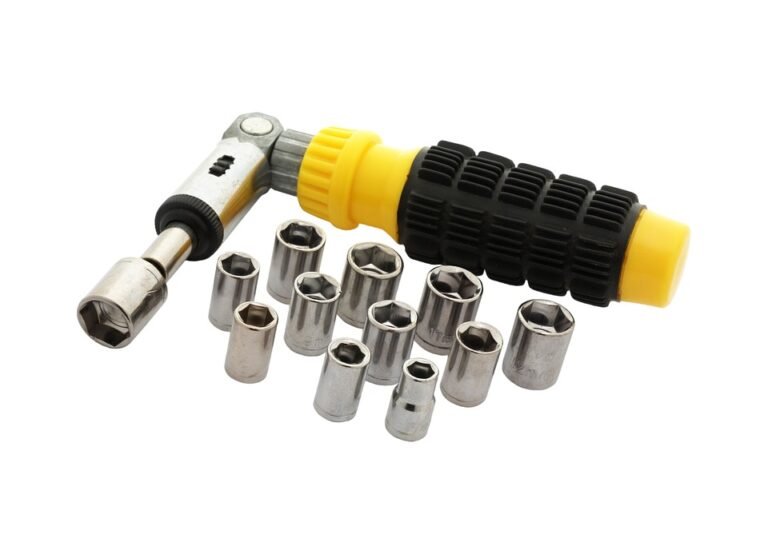
Having both a flathead and a Phillips screwdriver is crucial. Consider a multi-bit screwdriver set, which allows you to switch bits based on the project.
Pliers
Pliers can be employed for gripping, bending, and cutting wires or small pipes. A pair of needle-nose pliers can be particularly handy for tight spaces.
Measuring Tape
Accurate measurements are vital in any DIY project. A durable measuring tape with both metric and imperial measurements will serve you well.
Power Tools
For larger projects, power tools significantly speed up tasks and improve precision. Here’s a selection:
A corded or cordless power drill is essential for both drilling holes and driving screws. Look for one with adjustable speed settings for added versatility.
Circular Saw
This tool is ideal for making straight cuts through wood sheets. Ensure you choose a model with safety features and adequate power for your needs.
Sanders
Different types of sanders can help finish wood projects beautifully. An orbital sander is great for large surfaces, while a detail sander helps with intricate areas.
Specialty Tools
Some DIY projects may require specialty tools. While not everyday essentials, they are invaluable for specific tasks:
Level
A level ensures that your projects are straight and even. Look for a torpedo level for smaller tasks and a larger, standard level for bigger installations.
Stud Finder
This tool is invaluable for locating wooden beams or metal studs behind drywall, making it easier to safely hang heavy items.
Caulking Gun
When it comes to sealing gaps around windows, doors, and plumbing fixtures, a caulking gun will be your best friend for achieving a finished look.
Choosing the Right Tools
When investing in tools, it’s not just about having the right tool for the job; it’s also about quality, comfort, and usability. Here are some considerations when purchasing tools:
Quality Over Cost
While it’s tempting to go for the cheaper option, investing in quality tools will ultimately pay off. Look for reliable brands with good reviews for durability and performance.
Comfort and Handling
Tools should feel comfortable in your hands, especially if you plan to use them for extended periods. Test handles and grips for ergonomics, and opt for lightweight options whenever possible.
Storage Solutions
A well-organized toolkit can save time and reduce frustration. Consider investing in storage solutions like toolboxes or pegboards to keep everything easily accessible.
Avoiding Common Mistakes
Even experienced DIYers can make mistakes when it comes to tool use. Here’s how to avoid common pitfalls:
- Neglecting Safety Gear: Always wear appropriate safety equipment like goggles, gloves, and masks when necessary.
- Ignoring Instructions: Whether it’s a tool manual or a project guide, read through the instructions thoroughly to avoid mishaps.
- Overestimating Skills: Know your limits. If a project feels too advanced, don’t hesitate to seek professional help.
Maintaining Your Tools
Proper maintenance can prolong the life of your tools. Here are simple tips to keep them in good shape:
Regular Cleaning
After each use, thoroughly clean your tools to prevent rust and deterioration. Use appropriate cleaning agents and methods based on the material.
Proper Storage
Store tools in a dry environment and use cases or toolboxes to prevent damage. Keep blades sharp and moving parts lubricated where necessary.
Conclusion
Having the right tools can significantly enhance your DIY capabilities, making home improvement projects more enjoyable and efficient. By investing in a well-rounded selection, understanding your specific needs, and maintaining your tools, you can tackle a wide variety of tasks. Armed with this knowledge, you’ll not only save money but also take pride in crafting a home that reflects your personal style and functional needs.
Frequently Asked Questions
What tools are best for beginners?
Beginners should start with a basic set that includes a hammer, a measuring tape, a level, screwdrivers, and pliers. As you gain experience, you can expand your toolkit.
How should I store my tools?
Use toolboxes or pegboards for organization. Keep frequently used tools within reach while storing others in a dry, protected area to prevent rust and damage.
Are power tools safe to use?
When used correctly, power tools are safe. Always read the manuals, wear safety gear, and follow recommended safety practices.
What should I do if a tool breaks?
If a tool breaks, check if it’s still under warranty for a possible repair or replacement. If not, consider consulting a professional for repairs.
Can I borrow tools instead of buying?
Yes, borrowing tools is a practical option for infrequent users or specific projects. Just ensure you return them in good condition.