Keeping your home dust-free is more than just a matter of aesthetics; it significantly impacts your health and comfort. Dust can aggravate allergies, contribute to respiratory issues, and detract from the overall appearance of your living spaces. If you’re looking to foster a cleaner, healthier environment, consider the following tips to keep your home free from dust accumulation.
The Importance of Regular Cleaning
Regular cleaning is essential to minimize dust buildup in your home. Dust is composed of a variety of materials, including tiny particles of dirt, skin cells, and allergens from plants and pets. By adopting a consistent cleaning rhythm, you can limit the amount of dust that settles in your living spaces. Here are some key components to consider.
Create a Cleaning Schedule
Establishing a cleaning schedule that works for you can help you stay organized and focused. Consider these points:
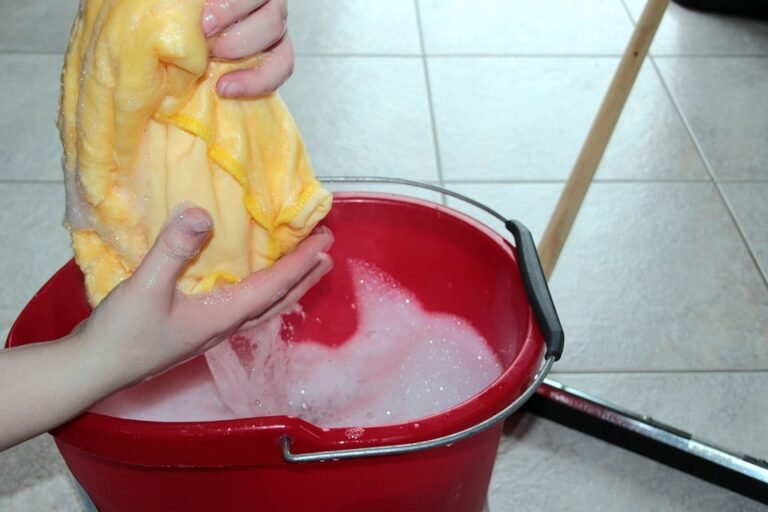
- Daily Tasks: Wipe down surfaces, especially in high-traffic areas like the kitchen and living room. Use a microfiber cloth to effectively capture dust without spreading it.
- Weekly Deep Clean: Vacuum carpets and rugs, clean hardwood and tile floors, and dust shelves and baseboards.
- Monthly Checks: Clean light fixtures, ceiling fans, and air vents to prevent dust from accumulating in less obvious areas.
Cleaning Techniques That Work
Employing the right techniques can make a significant difference in your dust control efforts. The method you choose can affect both efficiency and efficacy.
Use the Right Cleaning Tools
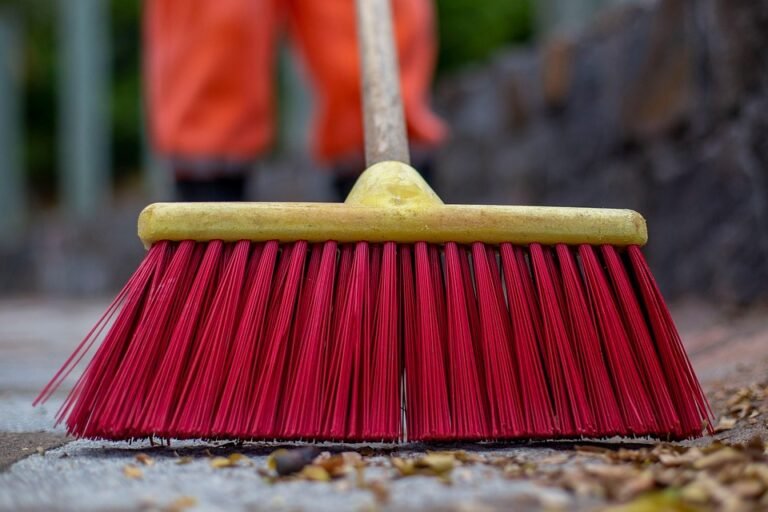
Your tools can either contribute to or help eliminate dust buildup. Here are some essential items to consider:
- Microfiber Cloths: Capture dust effectively without releasing it back into the air, unlike traditional dusters.
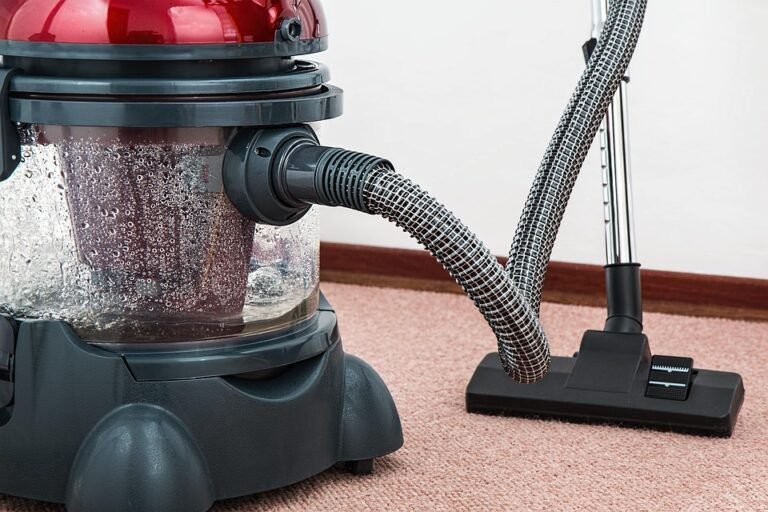
- Vacuum Cleaners: Opt for vacuums equipped with HEPA filters, as they trap smaller particles that typical filters might miss.
- Air Purifiers: Contribute to a dust-free environment by filtering out airborne particles.
- Plenty of Water: For surfaces, use damp cloths to trap dust instead of just moving it around.
Prioritize High-Traffic Areas
Dust tends to accumulate in areas where people move frequently. Pay special attention to these zones:
- Entryways: Consider using mats and regularly clean shoes to minimize dirt entering the house.
- Living and Dining Rooms: Dust surfaces, furniture, and electronics regularly, focusing on areas like TV stands where dust collects easily.
- Bedrooms: Wash linens and vacuum under beds to minimize dust mites and allergens.
Managing Pets
If you have furry friends, they’re likely contributing to the dust in your home. Implementing a strategy to manage pet hair and dander is vital.
Regular Grooming
Brushing your pets regularly can drastically reduce shedding and associated dust. Here are some helpful pointers:
- Frequency: Depending on the breed, brushing might be needed several times a week to daily.
- Location: Try to groom your pets outdoors to prevent fur from settling inside.
Create Pet-Free Zones
Designate specific areas, like bedrooms or home offices, as pet-free to reduce dander. Ensure these zones are regularly cleaned and maintained.
Airing Out Your Home
Ventilation plays a crucial role in keeping your home dust-free. Proper airflow not only reduces humidity, which can contribute to dust mites, but also helps to disperse dust itself. Here’s how you can optimize airflow:
Open Windows and Doors
Whenever the weather permits, open windows and doors to allow fresh air to circulate. This can help sweep away some of the collected dust particles. Consider these tips:
- Cross-Ventilation: Open multiple windows in different areas to encourage airflow.
- Limit Outdoor Dust Entry: Use screens to keep bugs out while allowing fresh air in.
Use Exhaust Fans
Utilizing exhaust fans in kitchens and bathrooms can help filter out airborne particles and humidity levels that promote dust buildup.
Declutter Your Space
Less clutter means fewer surfaces for dust to settle. Sometimes, an organized space is all it takes to maintain a cleaner home. Here are some decluttering strategies:
Limit Decorative Items
While knickknacks add personal flair, they also increase the surface area for dust accumulation. Choose a few key pieces to display, and store the rest.
Storage Solutions
Use bins, baskets, and cabinet space to keep everyday items organized and tucked away.
- Labels: Label your storage solutions for easy access.
- Frequent Review: Regularly assess if you need to keep items or if they can be donated or tossed.
Investing in Maintenance
Consider professional cleaning services or specialized equipment as an investment in your home’s health.
Deep Cleaning Services
Hiring professionals for deep cleaning can make a huge difference, especially in high-traffic or dusty areas. These services can provide:
- Thorough carpet and upholstery cleaning
- Dusting of hard-to-reach areas
- Air duct cleaning and maintenance
Smart Home Technology
Consider investing in smart home devices that help minimize dust, such as:
- Smart vacuums with scheduling features
- Programmable air purifiers that activate automatically
Conclusion
Maintaining a dust-free home is achievable with a structured approach to cleaning, organizing, and managing airflow. By investing in the right tools, establishing a cleaning routine, and practicing smart decluttering techniques, you can foster a healthier living environment for yourself and your family. Staying consistent and proactive in your cleaning efforts will also ensure that dust doesn’t accumulate, keeping your spaces pleasant and inviting.
FAQs
How often should I vacuum my home?
Vacuum high-traffic areas at least once a week, and less frequently used areas can be vacuumed every two weeks or as needed. If you have pets, you may need to vacuum more often.
Can houseplants contribute to dust accumulation?
Yes, while houseplants can improve indoor air quality, their leaves can collect dust. Regularly wipe down leaves with a damp cloth to maintain both the plants’ health and cleanliness.
What are some common mistakes to avoid in dust control?
Some common mistakes include using feather dusters that merely redistribute dust, neglecting to clean air vents and filters, and not using the right cleaning tools.
How can I reduce dust mites in my home?
To reduce dust mites, wash bedding in hot water weekly, use dust-proof covers on pillows and mattresses, and maintain low humidity levels in your home.
What type of air filter is best for reducing dust?
HEPA filters are highly effective at capturing small particles, including dust and allergens, so they are ideal for maintaining clean air in your home.