Your living room is often the heart of your home, a space where family and friends gather, relax, and enjoy each other’s company. Keeping it clean not only enhances its appearance but also contributes to a healthier environment. A well-structured cleaning routine can help you maintain your living space while minimizing stress and time spent on chores. This comprehensive guide will provide essential insights and practical strategies for your living room cleaning routine.
Establish a Cleaning Schedule
Creating a regular cleaning schedule is crucial for maintaining a tidy living room. Customizing this schedule to fit your lifestyle is key. Here are a few tips:
- Daily Tasks: Simple activities such as fluffing cushions, straightening magazines, and dusting high-traffic surfaces can take mere minutes and help maintain an orderly space.
- Weekly Cleaning: Set aside time once a week for tasks like vacuuming, dusting, and cleaning surfaces more thoroughly. This will prevent grime from building up.
- Monthly Deep Cleaning: Allocate time each month for thorough tasks such as window cleaning, organizing storage, and tackling any neglected corners.
By sticking to a schedule, you will cultivate a habit that makes cleaning feel less of a chore and more like part of your normal routine.
Start with Decluttering
Before diving into the cleaning process, it’s essential to declutter your living room. A clutter-free space is easier to clean and makes a significant visual impact. Here’s how to effectively declutter:
Assessing Items
Begin by assessing each item in the room. Ask yourself:
- Do I use this regularly?
- Does it have sentimental value?
- Does it enhance my living space?
If the item doesn’t serve a purpose or provide joy, consider donating or discarding it.
Establishing “Home Zones”
Designate specific areas for different types of items such as books, games, or remote controls. Use baskets or boxes to keep similar items together. This organized approach will simplify not only cleaning but also everyday living.
Surface Cleaning Techniques
Once you’ve decluttered, focus on cleaning various surfaces in your living room. Pay attention to materials, as different surfaces require distinct care methods.
Furniture Care
Different materials need unique attention. For example:
- Fabric Sofas: Use a vacuum attachment to remove dust. Consider using a fabric refresher for an added scent.
- Leather Furniture: Wipe down with a damp cloth. Follow up with a leather conditioner to maintain suppleness.
Tables and Shelves
For wooden surfaces, use a gentle cleaner or a mixture of vinegar and water. Always test a small area first to check for any adverse reactions. In contrast, glass surfaces require a dedicated glass cleaner for a streak-free finish.
Floor Maintenance
The floor is one of the largest areas in your living room and requires thoughtful care. Depending on the type of flooring, here’s how to address it:
Carpet and Rugs
Vacuum carpets at least once a week. Consider spot cleaning any spills immediately to prevent stains. As for rugs, rotating them every few months can help wear evenly and maintain their aesthetic appeal.
Hardwood and Laminate Floors
Regular sweeping or vacuuming is essential for hardwood and laminate. Use a damp mop with a hardwood-safe cleaner to remove any dirt buildup. Always avoid excessive moisture, as it can warp the flooring.
Attention to Details
Often, the finer details can be overlooked during a cleaning session. Focus on small but significant areas:
Light Fixtures and Ceiling Fans
Dust these areas regularly. A microfiber cloth may be the best tool to reach difficult spots. Ensure to turn off the electricity before cleaning for safety.
Window Treatments
Don’t forget the drapes and blinds. Curtains can be machine-washed if the fabric allows, while blinds can be dusted with a microfiber cloth or cleaned with a damp cloth.
Baseboards and Trim
Wipe down baseboards and trim with a damp cloth and mild detergent to remove dust and scuff marks.
Incorporating the Right Tools and Supplies
Equipping yourself with the right tools is essential for an efficient cleaning routine. Here’s a list of must-have supplies:
- Microfiber cloths for dusting and wiping surfaces
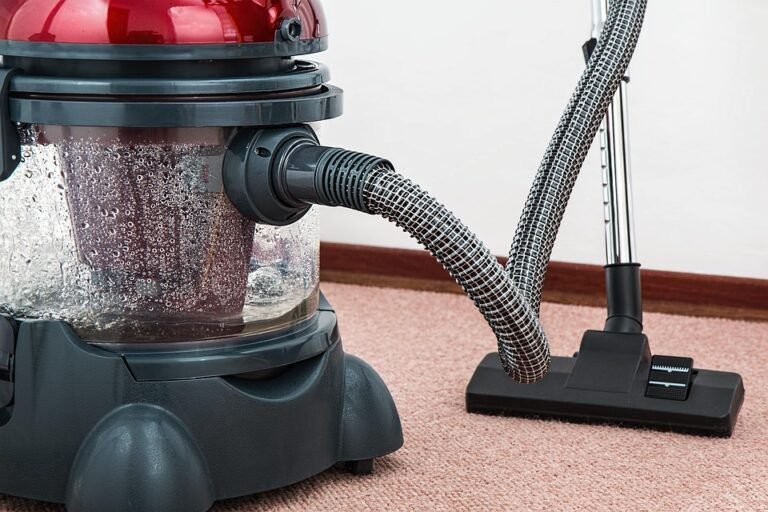
- Vacuum cleaner with attachments
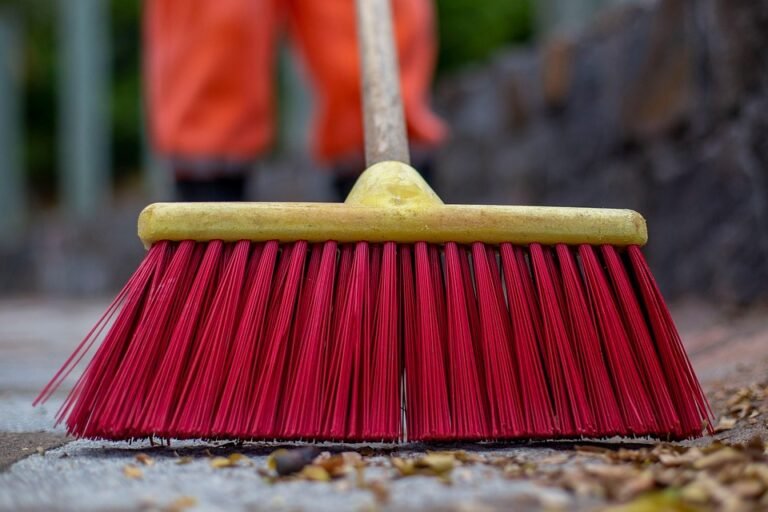
- Soft-bristled broom and mop for hard floors
- Bucket and sponge for mopping
- All-purpose cleaner and specialized cleaners for specific materials
- Trash bags for quick disposal of unnecessary items
Preserving Cleanliness
After all the hard work, it’s essential to establish routines to help preserve the cleanliness in your living room. Here are some strategies to consider:
Set Ground Rules
If you share your living space, establish rules to maintain order. Encourage family members to return items to their designated spots to avoid future clutter.
Regular Maintenance Checks
Set a recurring date to perform spot checks throughout the month. This could be as simple as checking for clutter buildup or ensuring surfaces are dust-free.
Conclusion
Adopting a systematic cleaning routine for your living room can transform it into a welcoming and organized space. By establishing a schedule, decluttering regularly, and paying attention to various surfaces, homeowners can create a living room that’s not just clean, but also a pure reflection of their style and comfort. Remember, the key is consistency; small efforts over time can yield significant results.
Frequently Asked Questions
How often should I vacuum my living room?
Vacuuming your living room at least once a week is advisable. If you have pets or high foot traffic, consider vacuuming more frequently.
What’s the best way to remove pet hair from furniture?
A vacuum with a pet hair attachment works wonders. Alternatively, specialized lint rollers or rubber gloves can be effective for quick clean-ups.
How can I keep my living room smelling fresh?
Adequate ventilation, regular dusting, and using air fresheners or essential oil diffusers can all contribute to a pleasant aroma in your living space.
Should I use chemical cleaners or natural alternatives?
While chemical cleaners yield immediate results, natural alternatives such as vinegar and baking soda are safer and often just as effective. Evaluate your needs and preferences.
What should I do if my furniture has stains?
For fabric furniture, check the care label for cleaning instructions. Spot-clean using a fabric-specific cleaner. For leather, use cream cleaners formulated for leather to treat stains. Always test any cleaning agent on a less visible spot first.