Owning a home comes with its fair share of responsibilities, and one of the most valuable skills a homeowner can possess is the ability to tackle basic repairs on their own. Not only does mastering simple DIY repairs save you money on contractor fees, but it also empowers you to maintain and enhance the value of your property. In this guide, we will explore the essential repairs every homeowner should consider learning, along with practical advice and tips to execute them effectively.
Understanding the Importance of DIY Skills
There’s a compelling case for homeowners to dive into DIY repairs. Learning these essential skills can:
- Save Money: Hiring professionals can be costly. Mastering basic repairs allows you to handle many issues independently.
- Increase Home Value: Keeping your home in good repair can substantially increase its market value.
- Empower Yourself: Knowing how to fix things can boost your confidence and satisfaction in homeownership.
- Promote Safety: Timely repairs can prevent larger issues that might endanger your family’s safety.
Common Home Repairs Every Homeowner Should Know
While the list of potential repairs goes on, focusing on a few essential ones can have a long-lasting impact.
Leaky Faucets and Pipes
One of the most common household issues is a leaking faucet or pipe. These leaks can result not only in water wastage but also in increased utility bills.
How to Fix It:
- Identify the source of the leak—usually, it’s a worn-out washer or O-ring.
- Turn off the water supply to the faucet.
- Disassemble the faucet using a wrench and replace the faulty part.
- Reassemble the faucet and turn the water supply back on.
Tip: Always have a set of basic plumbing tools including wrenches, pliers, and sealant tape for quick repairs.
Painting and Wall Patching
Over time, walls may get scuffed, scratched, or stained. Knowing how to paint and patch drywall can transform a room.
Steps to Paint a Wall:
- Clear the area of furniture and cover the floor with a drop cloth.
- Use painter’s tape to mask edges, ensuring clean lines.
- Choose a quality primer and paint based on your wall condition and desired finish.
Patching Drywall:
- Cut a piece of drywall that fits the hole.
- Secure it with screws to existing wall studs.
- Use joint compound to fill seams, then sand once dry for a smooth surface.
- Paint over the patched area.
Caulking and Sealing
Proper sealing can prevent drafts and moisture, making your home more energy-efficient.
Where to Caulk:
- Windows and doors to prevent drafts
- Bathtubs and sinks to minimize water exposure
- Baseboards and crown molding to enhance aesthetics
Caulking Tips:
- Use a caulk gun for precision.
- Cut the caulk tip to the desired size and apply steady pressure.
- Finish with a wet finger to smooth out the seam.
Basic Electrical Work
Many homeowners may have a fear of electrical repairs, but some tasks are simple and safe, provided you follow appropriate precautions.
Changing a Light Fixture:
- Turn off the power at the circuit breaker.
- Remove the old fixture and disconnect the wires, noting where they connect.
- Connect the new fixture’s wires (usually color-coded) and secure it to the ceiling.
- Restore power and test the new fixture.
Repairing Flooring
Flooring issues often arise due to wear and tear. Whether dealing with scratches or loose tiles, minor repairs can be managed easily.
Carpet Care:
- Use a carpet repair kit for small holes, filling with adhesive and matching fibers.
Tile Repair:
- For loose tiles, apply adhesive under the tile and press firmly.
- In case of cracks, use a grout filler that matches the color of your existing grout.
Tools to Have for DIY Repairs
Equipping your home with the right tools is crucial for effective repairs. Here’s a list of must-have tools:
- Pliers: For gripping and bending materials.
- Screwdrivers: Both flathead and Phillips, for a variety of tasks.
- Wrench Set: For plumbing and mechanical repairs.
- Measuring Tape: Essential for accurate measurements before cutting.
- Utility Knife: Useful for cutting a variety of materials.
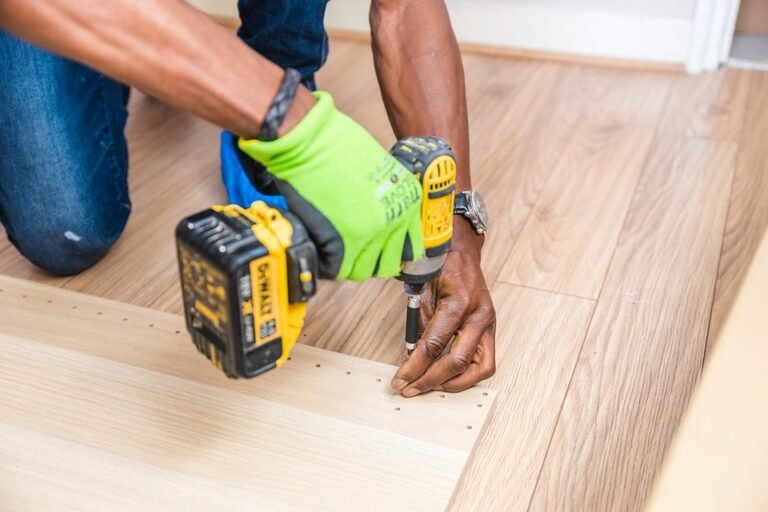
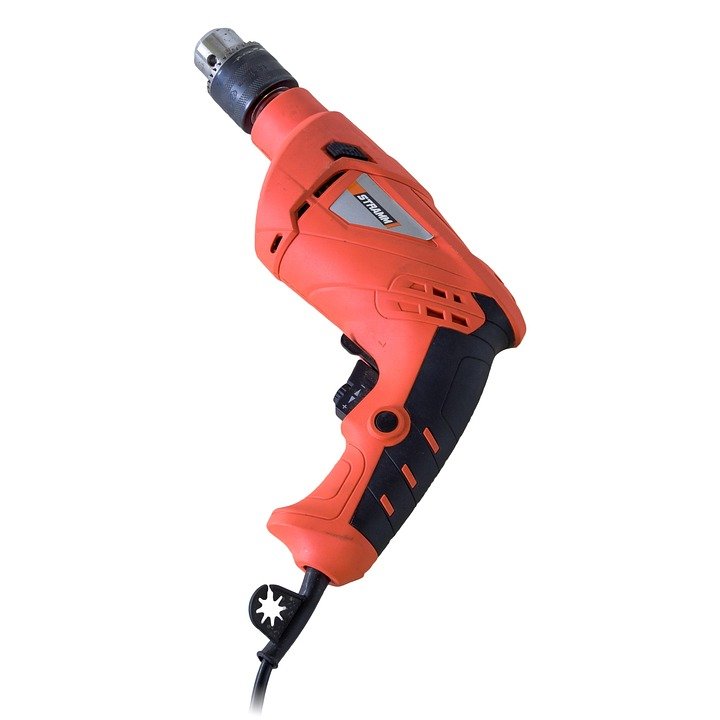
- Drill: Handy for making holes in walls or securing fixtures.
Preventative Maintenance Tips
Preventing problems can enhance the lifespan of your home’s systems. Here are a few suggestions:
- Regularly Inspect: Check plumbing, electrical systems, and HVAC regularly.
- Clean Gutters: Prevent water damage by ensuring gutters are free of debris.
- Check for Drafts: Seal gaps around windows and doors to ensure energy efficiency.
- Maintain Appliances: Follow manufacturer instructions for regular maintenance.
Conclusion
Learning how to conduct essential repairs not only saves money but also helps you become a more engaged and knowledgeable homeowner. Mastering these skills can lead to a safer, more comfortable, and aesthetically pleasing living environment. With a little practice, you’ll find that tackling these repairs becomes second nature, allowing you to enhance your home while building confidence in your DIY abilities.
Frequently Asked Questions
How can I learn more about DIY repairs?
There are numerous online resources, including video tutorials, blogs, and home improvement forums that can help you learn various DIY skills. Consider enrolling in local workshops or community classes focused on home repairs.
What tools are essential for a beginner DIYer?
Start with a basic toolkit that includes screwdrivers, pliers, a hammer, measuring tape, a utility knife, and a drill. As you progress, you can expand your toolkit based on the projects you undertake.
Are there repairs I should avoid doing myself?
While many repairs are manageable, it’s wise to avoid complex electrical work, HVAC repairs, and anything involving structural changes unless you’re well-trained or consulting a professional.
How can I prevent leaks in my plumbing?
Regularly check pipes for wear and tear, replace worn washers, and ensure all connections are secure. Consider using pipe insulation in colder months to prevent freezing and bursting.
What can I do if I don’t have the time for DIY repairs?
If time is a constraint, prioritize essential repairs and schedule them into your calendar, or consider hiring a handyman for smaller tasks that can be tackled quickly.