Creating a beautiful and functional outdoor space is a rewarding endeavor that not only enhances your property but also provides a peaceful retreat. Engaging in DIY garden projects can allow you to express your creativity, improve your landscape, and increase your home’s value. Whether you have a sprawling backyard or a compact balcony, transforming your outdoor space is within reach. Here is a collection of inspiring projects that you can undertake, utilizing materials and resources that are often easy to obtain. Dive in and let your garden dreams take root!
Vertical Gardens: Space-Saving Greenery
Vertical gardens are perfect for homeowners with limited space, allowing you to grow plants upward instead of outward. Crafted from wooden pallets, trellises, or even repurposed shoe organizers, these gardens can showcase herbs, flowers, or climbing vines.
Getting Started
- Choose Your Structure: Wooden pallets are a popular choice due to their accessibility and durability. Alternatively, use hanging planters or a fabric pocket system.
- Select Your Plants: Consider using herbs like basil and parsley, decorative flowers like petunias, or even kitchen staples such as strawberries.
- Prepare the Soil: Ensure that the soil is nutrient-rich and appropriate for the plants you select. Utilize a mix of potting soil and compost for best results.
Benefits
Incorporating vertical gardens can:
- Maximize space, making them ideal for small yards or balconies.
- Enhance privacy by acting as natural screens.
- Add unique and stunning visual interest to your outdoor aesthetic.
Outdoor Fire Pits: Gather Around for Cozy Nights
An outdoor fire pit can transform your garden into a cozy gathering area, perfect for evening conversations and s’mores. Building a fire pit might seem daunting, but with a few materials, you can create your own in no time.
Materials Needed
- Pavers or stones
- Fire pit insert (optional)
- Gravel
- Shovel and level
Instructions
- Select a Location: Choose a safe spot away from overhanging branches and ensure it complies with local regulations.
- Lay a Base: Excavate the area and add a layer of gravel to facilitate drainage.
- Build the Walls: Arrange the pavers in a circular shape, stacking them securely. Add an insert for added safety.
Considerations
An outdoor fire pit:
- Will create a focal point, enhancing your space visually.
- Can be used year-round, offering warmth in chilly evenings.
- Requires safety measures; always have water nearby for emergencies.
Garden Pathways: Defining Your Space
A well-defined garden path enhances the aesthetic appeal of your landscape and guides guests through your space. Creating pathways can be achieved using various materials, including gravel, stones, or even wood.
Project Steps
- Choose Your Material: Gravel and pavers provide rustic charm; bricks or tiles offer a more polished appearance.
- Plan Your Design: Make a rough sketch of the layout and desired path width.
- Excavate and Install: Clear the path area, level it, and lay the chosen material, ensuring stability.
Benefits of Garden Pathways
- Enhances accessibility and safety by preventing muddy shoes.
- Defines distinct areas for plants, seating, and features.
- Increases aesthetic appeal and property value.
Raised Garden Beds: Improve Your Soil Quality
Raised garden beds are a fantastic way to grow vegetables and flowers while improving soil drainage and quality. This is especially useful if you have poor soil in your yard.
Materials and Tools
- Untreated wood (cedar or redwood are great choices)
- Soil and compost mixture
- Tools: saw, drill, hammer
Steps to Build
- Decide on Size: A standard width is 4-5 feet to ensure easy access from all sides.
- Construct the Frame: Cut the wood to your desired dimensions and assemble with screws.
- Fill with Soil: Layer a good mix of soil and compost for a nutrient-rich environment.
Garden Water Features: Adding Tranquility
Water features can introduce a serene ambiance and attract wildlife. Simple installations like birdbaths or fountains can make a stunning addition to your garden.
Choosing the Right Feature
Consider your garden’s size and style when selecting a water feature:
- Small birdbaths can fit in tight spaces.
- Fountains can act as a stunning focal point.
- DIY ponds can support aquatic plants and wildlife.
Installation Tips
- Plan the Placement: Ensure that your feature is visible and accessible while fitting into your landscape.
- Follow Instructions: For prefabricated items, read through the instructions carefully.
- Maintain Regularly: Keep the water clean to avoid stagnant algae and maintain aesthetics.
Container Gardens: Mobility and Versatility
Container gardening allows for flexibility in your outdoor space. Perfect for balconies or patios, you can easily switch plants or redesign your layout.
Selecting Containers
Choose from:
- Terracotta pots for a classic look.
- Metal for contemporary styles.
- Recycled materials for a unique touch.
Planting Tips
- Drainage is Key: Ensure containers have holes at the bottom to prevent water logging.
- Use Quality Soil: Invest in good potting mix for healthy plants.
- Group Wisely: Arrange containers based on plant requirements (sunlight and watering needs).
Compost Bins: Sustainable Gardening
Creating a compost bin in your garden can help reduce waste while enriching your soil. This eco-friendly project promotes sustainability and can easily be made from pallets, wire mesh, or even decorative wooden boxes.
Building Your Compost Bin
- Choose a Location: A shaded area for temperature control is ideal.
- Gather Materials: Wooden pallets or a mesh system are both effective.
- Create Layers: Alternate between ‘greens’ (nitrogen-rich materials) and ‘browns’ (carbon-rich materials).
Maintenance
Turn the pile regularly to aerate and speed up decomposition. With patience, your compost will nurture your garden, providing rich nutrients.
Outdoor Furniture: Build Your Own Comfort
Having comfortable outdoor seating can elevate your garden’s enjoyment. Building your own furniture can cater to your style and needs without breaking the bank.
Simple Projects to Consider
- Pallet Seating: Use pallets to create benches or a lounging area; simple and chic.
- Wooden Planter Benches: Combine seating with planters for a dual-purpose piece.
- Folding Chairs: Easy to store, great for accommodating guests.
Materials Needed
- Wood (cedar or treated lumber)
- Tools for cutting and assembling
- Outdoor finish for weather protection
Wrap-Up: Crafting Your Dream Outdoor Oasis
With these inspiring projects, you have the tools and ideas to truly revitalize your outdoor space. Whether you aim for relaxation, functionality, or sheer beauty, each undertaking represents an opportunity to create a living masterpiece. Dive in, enjoy the process, and watch your garden flourish!
FAQs
How long does it take to complete a DIY garden project?
The time required varies greatly depending on the complexity of the project. Simple projects like vertical gardens may take a few hours, while others like constructing a deck or fire pit could take a weekend.
What are the costs associated with these projects?
Costs can vary based on materials and scale. Simple container gardens may only require a small investment, while larger structures like fire pits or raised beds can cost more due to lumber and soil requirements.
Do I need any special tools for these projects?
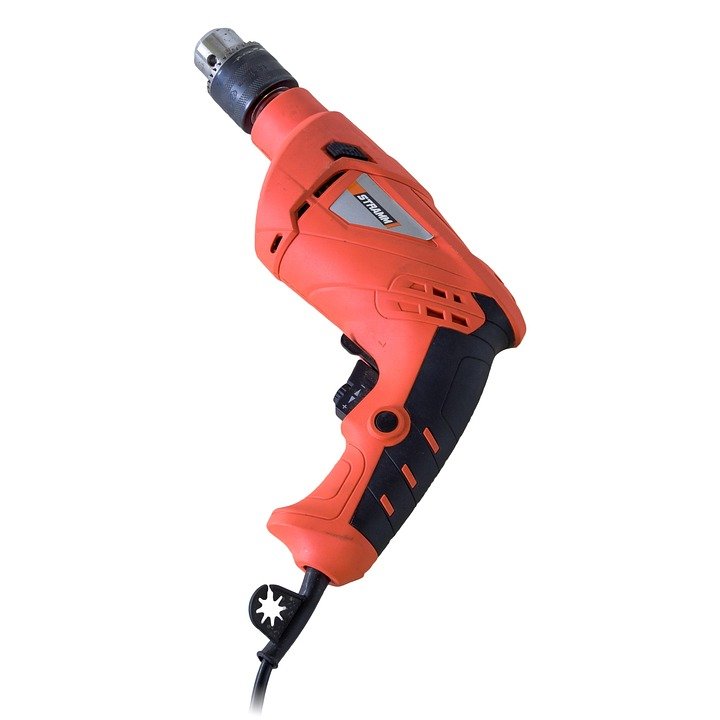
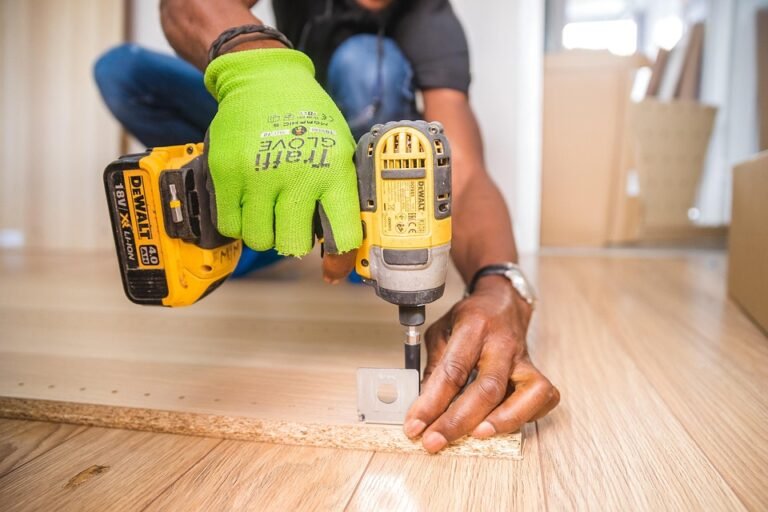
Most projects can be completed with basic woodworking tools like saws, drills, and levels. Always double-check your project needs based on the materials you choose.
Are there any plants that are easier to manage for beginners?
Absolutely! Some beginner-friendly plants include marigolds, basil, and succulents. These options thrive with minimal care and can add instant beauty to your garden.
How can I make my garden more eco-friendly?
Utilize native plants, install rain barrels for irrigation, build a compost bin, and avoid chemical pesticides to create a more sustainable gardening environment.