Creating a thriving garden is an exciting endeavor that can provide not only aesthetic pleasure but also a source of fresh produce and a calming outdoor space. However, effective planning is crucial for maximizing both space and yield. Whether you have a sprawling backyard or a modest balcony, thoughtful preparation can transform your gardening experience. This guide focuses on the essential steps you can take to ensure that your garden is productive, organized, and enjoyable.
Assessing Your Space
The first step in planning your garden is to evaluate the space you have available. Understanding the various aspects of your garden area will guide all subsequent decisions.
Sunlight and Water Access
Observe how much sunlight your garden receives throughout the day. Most vegetables and flowering plants require at least six hours of direct sunlight, while some can thrive in partial shade. Additionally, consider water access; proximity to a water source simplifies irrigation efforts.
Soil Quality
The quality of your soil is fundamental to the success of your garden. Test the soil pH and nutrient levels. Healthy garden soil should be rich in organic matter. You can often improve poor soil with compost or fertilizers.
Choosing the Right Plants
With a clear understanding of your garden space, you can begin selecting plants that will thrive in your conditions.
Native Flora and Vegetables
Choose plants that are native to your region, as they are typically better adapted to local conditions. For vegetables, opt for varieties that grow well in your climate. Here are some options:
- Cool-season crops: Kale, spinach, and peas thrive in spring and fall.
- Warm-season crops: Tomatoes, peppers, and cucumbers flourish in summer.
Diversity for Resilience
Incorporate a variety of plants to promote biodiversity. Not only does this enhance visual appeal, but it also helps combat pests naturally. Consider companion planting, which pairs beneficial plants to improve health and yield.
Creating a Layout Design
Once you have selected your plants, it’s time to design the layout of your garden. Effective design is essential for optimizing space and accessibility.
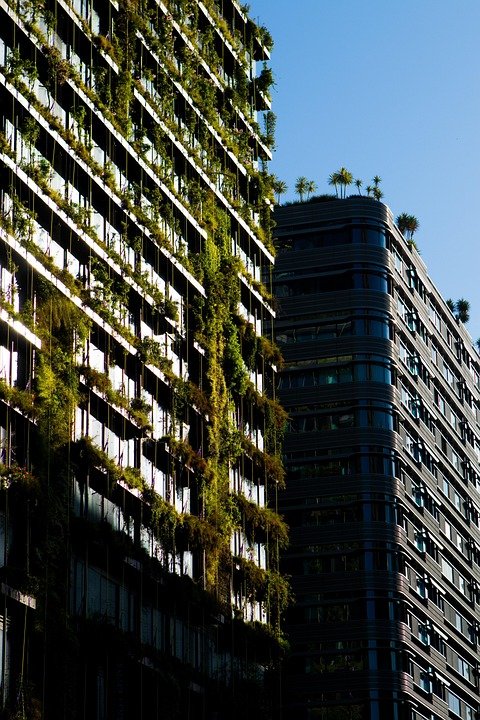
Utilizing Vertical Space
Vertical gardening is an excellent technique for maximizing small areas. Consider using:
- Vertical planters: These can house herbs and small vegetables.
- Trellises: Encourage climbing plants like peas and beans to save ground space.
- Hanging pots: Ideal for flowers or trailing plants, adding dimension without taking up ground space.
Raised Beds and Containers
Raised garden beds can effectively separate soil from existing ground conditions, allowing for better drainage and accessibility. Containers can also offer flexibility, letting you move plants to capitalize on sunlight or shelter from extreme weather. However, consider using materials that retain warmth, especially in cooler climates.
Planning for Seasonal Changes
Gardening is a year-round journey. Planning for seasonal changes is vital to maintain productivity and aesthetics throughout the year.
Crop Rotation
To maintain soil health, practice crop rotation. This means changing the location of crops each season to prevent nutrient depletion. Keeping track of this in your planning can lead to healthier plants and better yields.
Seasonal Planting Schedule
Establish a planting calendar based on your local climate. Here’s how to structure your planting schedule:
- Start seeds indoors 6-8 weeks before the last frost date.
- Experiment with succession planting to extend your harvest season.
- Plan for overwintering crops or cover crops to enrich the soil in the off-season.
Maintaining Your Garden
Once your garden is planted, consistent maintenance is key to achieving the best yield.
Watering Strategies
Implement a thoughtful watering schedule to keep your plants healthy. Early morning watering is often more effective than evening watering, as it helps plants absorb moisture and reduces evaporation.
Pest Management
Integrated pest management (IPM) combines various strategies to control pests effectively without relying solely on chemicals. Consider natural predators, traps, or organic options before resorting to chemical pesticides.
Harvesting Tips
The final step in effective garden planning is knowing when to harvest your crops. Harvest at peak ripeness for the best flavor and nutritional value.
Timing and Techniques
Regularly check on your plants to learn the specific cues for different vegetables. Here are a few tips:
- Learn the right timing: Most vegetables are best when they are firm, vibrant in color, and fully developed.
- Use proper tools: Sharp shears or scissors can prevent damage to the plants.
- Rotate your crops: After harvesting, consider planting a new crop to take advantage of the growing season.
Conclusion
Garden planning is a vital step toward creating a productive and enjoyable outdoor space. By assessing your area, selecting suitable plants, thoughtfully designing your layout, and maintaining your garden through proper care, you can maximize both space and yield. Whether you’re a seasoned gardener or a beginner, these steps will help you cultivate a flourishing garden that brings joy and sustenance year after year.
FAQs
How do I know which plants are suitable for my garden?
Research your local climate zone, soil quality, and sunlight levels to choose plants that will thrive in your garden. Local gardening clubs or extension services can also provide tailored recommendations.
What is the best way to improve my soil for planting?
Incorporate organic materials such as compost or well-rotted manure. Using a soil test kit can also guide you on specific amendments needed to optimize your soil health.
Can I start gardening in small spaces?
Absolutely! Small spaces can be leveraged using containers, vertical gardens, and raised beds. Focus on high-yield, compact plants to make the most of your area.
What tools do I need for successful gardening?
Some essential tools include a trowel, pruners, a watering can or hose, gloves, and a shovel. As gardening progresses, you may want to invest in additional equipment based on specific needs.
How can I control pests naturally?
Integrate beneficial insects, such as ladybugs, use companion planting, or apply natural repellents like neem oil and insecticidal soap to control pest populations without chemicals.