Introduction
Creating a garden that flourishes year after year goes beyond merely planting seeds and watering them. A successful garden embodies a complete ecosystem, one that supports a diverse range of plants, animals, and microorganisms. For homeowners who wish to cultivate a sustainable garden, understanding the interconnectedness of life within their outdoor spaces is crucial. By adopting practices that promote biodiversity and ecological health, you can transform your garden into a thriving habitat. This guide will explore essential strategies for fostering a vibrant ecosystem in your own backyard.
The Importance of Biodiversity
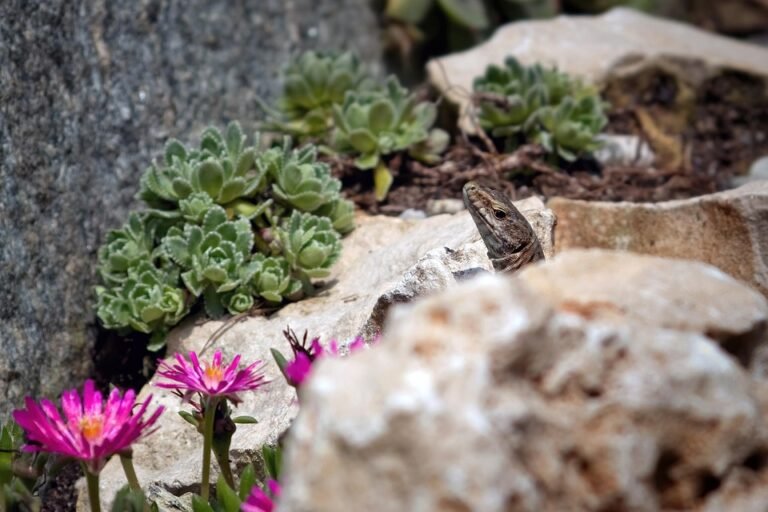
Biodiversity refers to the variety of life forms in a given area. It includes not only the plants and animals but also the fungi and microorganisms in the soil. A biodiverse garden offers several benefits:
- Natural Pest Control: Having a wide range of plants attracts beneficial insects that help manage pest populations.
- Improved Soil Health: Different plants contribute various nutrients to the soil, improving its fertility and structure.
- Climate Resilience: Diverse plant life can better adapt to climate fluctuations, helping your garden withstand droughts or heavy rains.
Choosing Native Plants
Using native plants is one of the most effective ways to enhance the biodiversity of your garden. They are adapted to the local climate, soil conditions, and wildlife, making them more resilient and easier to maintain. Here are some ways native plants benefit your garden:
Attracting Local Wildlife
Native plants serve as food and habitat for local animals, including birds, butterflies, and beneficial insects. They support a balanced ecosystem by providing essential resources for wildlife.
Easy Maintenance
Typically, native plants require less water and fewer fertilizers than non-native species. This makes them more sustainable choices for your garden.
Implementing Sustainable Practices
Beyond plant selection, incorporating sustainable gardening practices can enhance the health of your ecosystem. Here are several methods you can adopt:
Composting
Composting not only reduces waste but also enriches the soil with organic matter. Consider starting a compost bin in your backyard with kitchen scraps, yard waste, and other biodegradable materials. Benefits include:
- Improved soil structure and water retention.
- Enhanced nutrient content, promoting plant growth.
- Reduced need for chemical fertilizers.
Mulching
Applying a layer of mulch around your plants provides several advantages:
- Prevents soil erosion and evaporation, helping retain moisture.
- Suppresses weeds that compete for nutrients and water.
- Adds organic matter to the soil as it breaks down.
Water Conservation Techniques
Implementing water-saving strategies is crucial for conserving this vital resource. Consider the following:
- Drip Irrigation: This method delivers water directly to plant roots, minimizing evaporation and runoff.
- Rainwater Harvesting: Collect rainwater in barrels to use for irrigation.
- Soil Moisture Sensors: These tools help determine when your plants truly need water, preventing overwatering.
Encouraging Beneficial Insects
Not all insects are pests. Many play crucial roles in pollination and pest control. To encourage these beneficial species, consider the following strategies:
Planting Pollinator-Friendly Flowers
Choose flowers that attract pollinators, such as bees, butterflies, and hummingbirds. Options include:
- Lavender
- Echinacea (Coneflower)
- Bee Balm
Creating Habitats
Providing shelter is key to attracting beneficial insects. Element such as:
- Insect hotels or bee houses.
- Brush piles for overwintering insects.
- Natural areas of tall grass or wildflowers.
Minimizing Pesticide Use
Chemical pesticides can harm beneficial insects and disrupt the ecosystem balance. Here are some alternatives:
- Integrated Pest Management (IPM): Focuses on monitoring pest populations and using predators or biopesticides as needed.
- Neem Oil: A natural pesticide derived from the neem tree, it is effective against many pests but safer for beneficial species.
- Companion Planting: Some plants can deter pests naturally. For example, marigolds deter nematodes.
Crop Rotation and Diversity
Rotating your crops helps to prevent soil depletion and disease buildup. Here’s how to practice effective crop rotation:
- Change the location of plant families each year to disrupt pest cycles.
- Plant nitrogen-fixing legumes followed by heavy-feeding crops to improve soil health.
- Maintain a variety of plants to support a balanced ecosystem.
Monitoring and Adapting
Building a thriving ecosystem requires ongoing observation and adjustment. Take the time to monitor the health of your garden regularly:
- Look for signs of disease or unusual pest activity.
- Evaluate soil health and moisture levels.
- Adjust practices based on seasonal changes and plant growth.
Conclusion
Establishing a vibrant ecosystem in your garden is both rewarding and beneficial for the environment. By selecting native plants, implementing sustainable practices, and fostering a diverse habitat, you create a sustainable space that enhances not only the beauty of your home but also the health of the planet. Through careful observation and continuous adaptation, you can ensure your garden remains a thriving haven for years to come.
FAQ
What is the best way to introduce native plants into my garden?
Begin by researching local native species that thrive in your region. Visit a local nursery specializing in native plants or consult extension services for guidance. Consider starting with a few plants each season to see how they adapt to your garden conditions.
How can I encourage wildlife without attracting pests?
To attract beneficial wildlife, provide food sources like nectar-rich flowers and water sources such as birdbaths. Limit chemical pesticides and focus on using natural repellents. Remember, maintaining a diverse garden often keeps pests in check naturally.
Are there specific techniques for composting in small spaces?
If space is limited, consider using a compact compost bin or a worm bin (vermicomposting). These methods allow you to compost food scraps effectively without needing a large outdoor area.
What should I avoid when implementing eco-friendly practices?
Avoid using chemical fertilizers and pesticides that can harm beneficial organisms in your garden. Additionally, steer clear of monoculture practices, as they can lead to disease and pest outbreaks.
How can I tell if my garden ecosystem is thriving?
A thriving garden ecosystem will feature healthy plant growth, a variety of insects (including beneficial ones), balanced soil health, and minimal signs of pests or diseases. Regular monitoring will help you identify and address any potential issues.