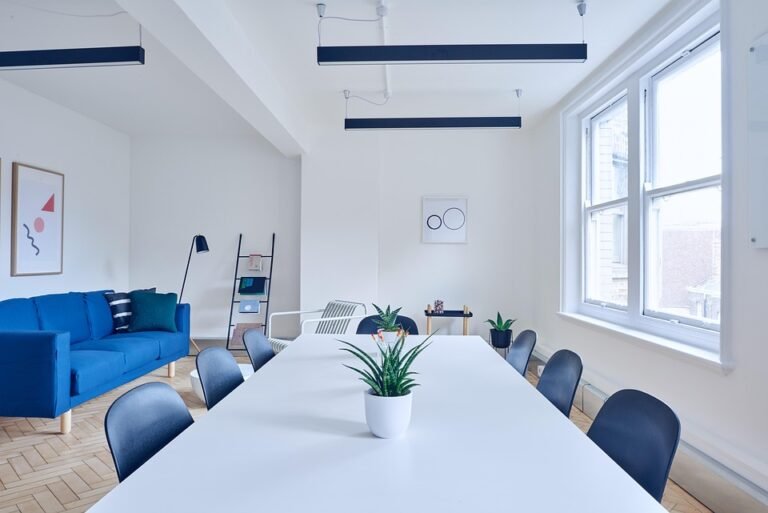
Transforming your home into a haven of comfort, style, and functionality is a creative endeavor. Maximizing space through strategic furniture placement not only enhances the flow of a room but also promotes a sense of order and tranquility. Homeowners often overlook the importance of how furniture arrangement can dramatically influence the overall ambiance and practicality of a living space. This guide offers innovative ideas and instructions to help you rethink your furniture layout in every room of your home.
Living Room Layouts That Inspire
The living room is often the heart of a home, where family gatherings and relaxation take place. Here’s how to arrange furniture to create an inviting atmosphere:
Consider the Focal Point
Every room benefits from a focal point, whether it’s a fireplace, a large window with a stunning view, or a striking piece of art. Arranging furniture around this focal point provides structure and purpose.
- Sofa Placement: Position your sofa facing the focal point. If space allows, consider a slight angle for a more dynamic arrangement.
- Side Chairs: Flank the sofa with armchairs to create a cozy conversation area. Ensure there’s enough distance for comfort, typically 3-4 feet apart.
- Coffee Table: Place a coffee table within reach of all seating, typically 18 inches away from the sofa. This facilitates easy conversation while keeping traffic flows open.
Optimize Flow and Functionality
Traffic flow is crucial in a living room. Ensure pathways between furniture pieces measure at least 2-3 feet. This arrangement keeps the area accessible and avoids a cluttered appearance.
Dining Room Arrangement for Effortless Entertaining
Dining rooms require a setup that encourages social interactions and dining efficiency. Here are some thoughtful considerations:
Table Placement
Your dining table should become the centerpiece of the room. Consider:
- Centering the Table: This is ideal for symmetrical dining experiences. Aim for at least 36 inches of space around the table for movement.
- Rectangular Tables: These can be placed against walls or in the middle of the room, depending on the layout. If it’s a smaller space, round tables can work wonders.
Incorporating Buffets and Sideboards
Adding a sideboard can provide extra storage and serve as a staging area for food or drinks. Place it against a wall or directly opposite the table for easy access while entertaining.
Bedroom Designs That Promote Serenity
Your bedroom should be a sanctuary. Here’s how to structure your space for maximum relaxation and efficiency:
Bed Placement Strategies
The location of your bed can significantly affect the room’s vibe. Here are some positioning tips:
- Against a Wall: Positioning the bed against the longest wall can create a more spacious feel.
- Symmetry: Nightstands or lamps on either side of the bed promote balance and visual appeal.
- Consider Windows: Position the bed to take advantage of natural light while avoiding glare.
Utilizing Vertical Space
When floor space is limited, think vertically. Utilize wall-mounted shelves or tall bookshelves to draw the eye upwards and create additional storage.
Functional Home Office Layouts
In an age where remote work is common, your home office needs to be both functional and inspiring. Here are practical arrangements:
Desk Positioning
Position your desk in a way that maximizes productivity and comfort:
- View Options: Facing a window can provide natural light and stimulate creativity.
- Concentration Zones: If distractions are a concern, setting your desk against a wall might help maintain focus.
Organizing Your Materials
Incorporate storage solutions that keep essential materials within reach but organized. Consider desk organizers, filing cabinets, and wall-mounted storage to maintain a clean, clutter-free work environment.
Kids’ Spaces: Designing for Play and Organization
Children’s rooms should balance playfulness with organization. Thoughtful furniture placement can enhance their space significantly.
Zones for Different Activities
Establishing different functional areas can help manage chaos:
- Play Area: Dedicate a corner for play, ideally with soft rugs and easy-to-move furniture.
- Study Station: Incorporate a desk or table where homework can be done.
Incorporation of Multi-functional Furniture
Consider furniture pieces that serve multiple functions, such as storage ottomans or convertible beds. This maximizes usable space and keeps the room tidier.
Outdoor Spaces: Creating Inviting Retreats
Don’t overlook outdoor areas in your quest for optimal furniture placement. Just like indoor spaces, outdoor arrangements play a critical role in functionality and relaxation.
Seating Arrangements for Conversation
Outdoor seating shouldn’t be an afterthought. Position chairs and benches in a circle or semi-circle to encourage conversation. A fire pit can serve as a captivating focal point.
Incorporating Plants For a Lively Atmosphere
Surrounding your outdoor furniture with potted plants or garden beds can create a serene retreat. Place larger plants at the corners for an added touch of nature.
Common Mistakes to Avoid
Even seasoned homeowners can make blunders when arranging furniture. Here are some pitfalls to watch for:
- Ignoring Scale: Too large or small furniture can throw the entire room off balance.
- Cluttered Pathways: Always ensure that there’s a clear path for easy movement.
- Overcrowding the Space: Less is often more. It’s better to have fewer pieces and let the room breathe.
Conclusion
The arrangement of furniture is a powerful tool that can transform how a space looks and feels. By reflecting on your daily activities and the ambiance you want to create, you can design a home that is both functional and welcoming. Empower yourself with these strategies to make informed decisions about how to place your furniture, maximizing your space in every room of your house.
Frequently Asked Questions
How do I choose the best furniture for small spaces?
Opt for modular and multi-functional furniture, such as a sofa bed, a dining table that folds, or benches with storage. Consider scale and ensure the pieces do not overwhelm the space.
What is the best way to arrange furniture in an open floor plan?
Use rugs to define different areas for various activities, like sitting, dining, or working. Vary furniture heights to create visual interest, and avoid blocking sightlines between spaces.
How can I make my space feel larger?
Utilize light colors for paint and furniture, incorporate mirrors to reflect light, and keep patterns simple. Choose transparent or lightweight furniture to maintain sightlines.
Is it better to have furniture against the wall or free-standing?
This depends on the room’s layout and purpose. In smaller spaces, placing some pieces against the wall can create more floor space. However, in larger rooms, free-standing arrangements may facilitate conversation and flow.
What accessories should I consider for enhancing my furniture layout?
Incorporate artwork, plants, and lighting strategically. Accessories can bring together various elements of your design and highlight the overall arrangement.