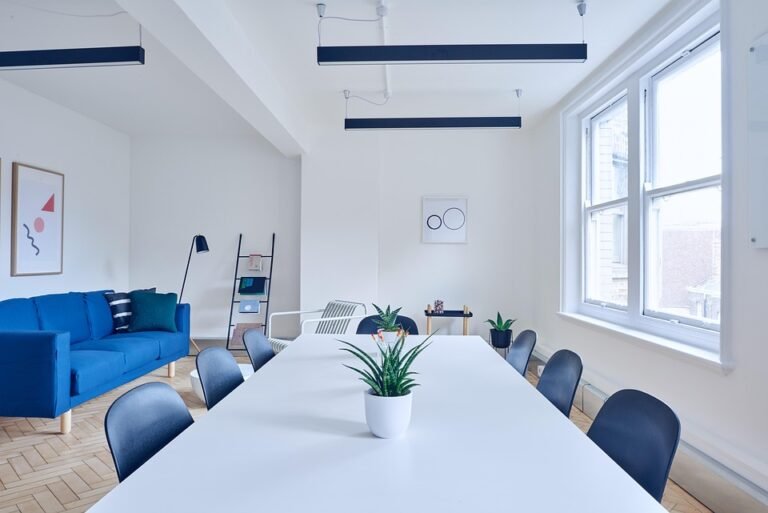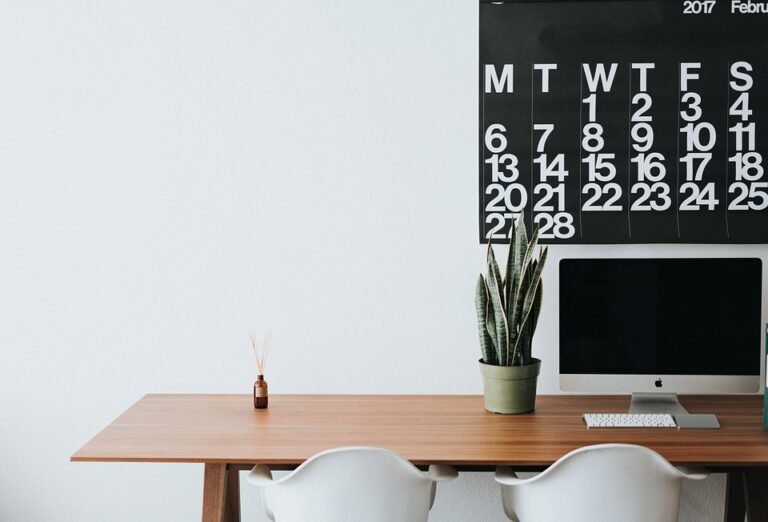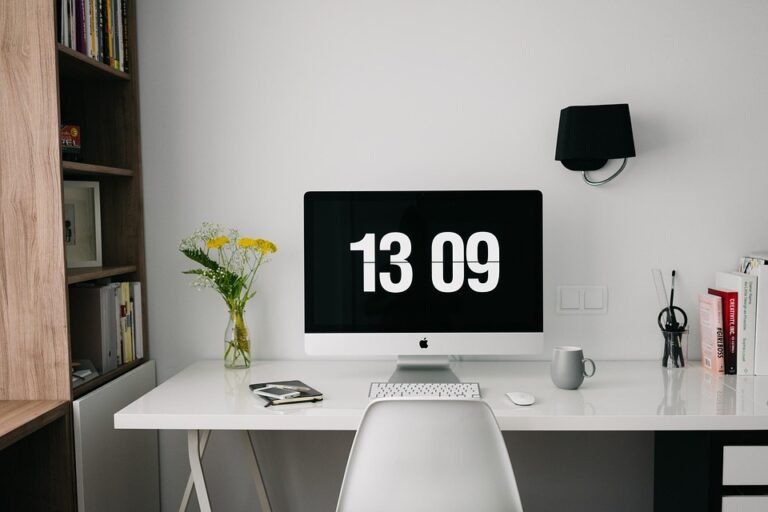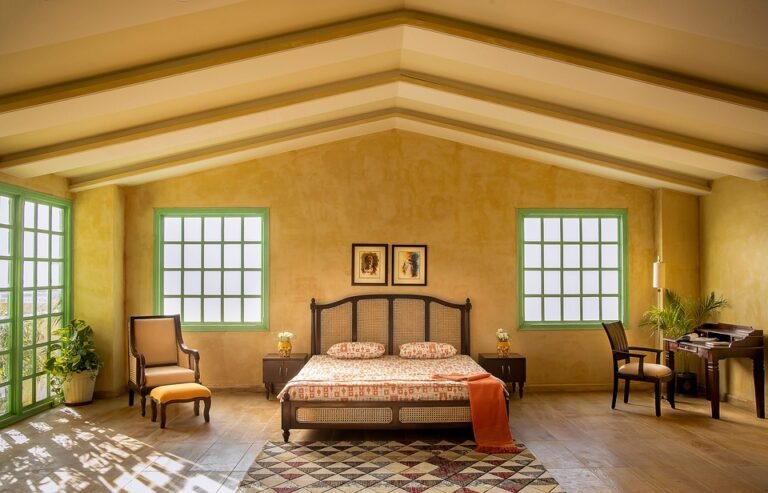
In small living areas, every square foot counts. Balancing aesthetics, functionality, and space can be a challenge, but effective furniture arrangement techniques can transform how a space feels and functions. With thoughtful planning and creativity, you can create a cozy, inviting atmosphere without compromising on comfort or style. This guide explores practical techniques for arranging furniture in small spaces, focusing on maximizing every inch while maintaining an appealing design.
Understanding the Space
The first step in effective furniture arrangement is to assess the space you have. Consider the following key factors:
1. Measure Your Space
Before you start moving furniture around, take accurate measurements of your room. Here are some specific aspects to focus on:
- Room dimensions: Length and width
- Doorways and hallways: Entry and exit points
- Windows: Natural light sources
- Built-in features: Items like fireplaces or bookshelves
2. Define the Purpose
Understanding how you plan to use the space is crucial. Will it primarily serve as a living room, a home office, or a guest room too? The purpose will guide your decisions on furniture types and arrangement.
Choosing the Right Furniture
Size and scale are essential when selecting furniture for small living areas. Here are some considerations:
1. Opt for Multi-Functional Pieces
Look for furniture that serves more than one function. For example:
- Ottomans that double as storage
- Coffee tables that extend into dining surfaces
- Sofa beds for extra sleeping space
2. Select Scaled-Down Furniture
Larger, bulky furniture can overwhelm a small space. Instead, choose:
- Slim sofas or chairs that fit the scale of the room
- Transparent furniture, such as acrylic or glass tables, which create a sense of openness
Smart Arrangement Techniques
Now that you understand your space and have chosen the right furniture, it’s time to focus on arrangement techniques. Here are several effective strategies to consider:
1. Create Zones
Even in small areas, establishing zones can enhance functionality:
- Designate a seating area with chairs and a coffee table
- Create a workspace with a small desk and chair
- Include a reading nook with a comfortable chair and lamp
2. Use Vertical Space
Take advantage of wall space by:
- Installing shelves to hold books, plants, or decorative items
- Utilizing tall bookcases rather than wide ones to draw the eye upwards
- Hanging art or mirrors to create the illusion of a larger space
3. Maintain Clear Pathways
Ensuring that your arrangement allows for easy movement is critical. Aim for:
- A minimum of 18 inches between furniture pieces for comfortable walking space
- Paths that guide the eye and foot traffic without blockage
4. Consider Furniture Layouts
Different layouts can significantly impact how a room feels. Here are a few effective ones:
Symmetrical Layout
This creates balance and can be particularly effective for living rooms. Pair chairs opposite each other and keep similar elements on each side.
Asymmetrical Layout
An asymmetrical arrangement provides a more casual vibe. Group furniture in a way that feels relaxed but still organized, avoiding rigid placement.
Diagonal Arrangement
Positioning furniture at slight angles can break up the monotony of straight lines, allowing for a dynamic feel. This approach also often makes a space feel larger.
Decor Tips for Small Spaces
Once your furniture is arranged, consider enhancing the space with decor that complements your design:
1. Color Cohesion
Choosing a cohesive color palette can unify the space. Light colors can help to make a room feel airy, while darker shades can add depth and intimacy.
2. Use Mirrors
Incorporating mirrors not only adds visual interest but can also create an illusion of depth, making your room feel larger than it is.
3. Layer Textures
Use varied textiles such as rugs, cushions, and throws to add warmth and comfort without overwhelming the space visually.
Avoiding Common Mistakes
When arranging furniture in small spaces, certain pitfalls are easy to fall into:
1. Overcrowding the Room
Resist the temptation to add too many pieces. Less is often more in small areas, as overcrowding can make the space feel cramped and chaotic.
2. Ignoring Function
While aesthetics are important, always prioritize functionality. Ensure that your arrangement caters to your lifestyle and provides the necessary use of the space.
3. Blocked Natural Light
Avoid blocking windows with large furniture. Instead, arrange pieces in a way that promotes natural light flow, making the space feel brighter and more open.
Conclusion
Arranging furniture in a small living area doesn’t have to be a daunting task. With the right strategies, you can effectively maximize your space while creating a stylish and functional environment. By measuring your room, selecting appropriate furniture, employing smart arrangement techniques, and avoiding common mistakes, you can transform a small area into your ideal living space. Remember that creativity and planning are key, and don’t hesitate to experiment until you find a layout that best suits your needs and aesthetic.
FAQ
What furniture styles work best for small spaces?
Styles that are minimalist and multi-functional often work best. Mid-century modern and Scandinavian designs tend to have clean lines and less bulk, making them ideal for small areas.
How important is lighting in a small living area?
Very important! It can dramatically affect the feel of a space. Incorporating various light sources, such as floor lamps and wall sconces, can enhance functionality and ambiance.
Can I use large furniture in a small space?
While it’s best to stick to scaled-down pieces, a single large item, like a statement piece of art or a bold sofa, can work if it’s well-placed and doesn’t crowd the room.
What are some storage solutions for small living areas?
Consider furniture with built-in storage, floating shelves, and utilizing under-bed space. Baskets and decorative boxes can also help keep items organized while adding to the decor.
Is it possible to have a stylish decor in a small space?
Absolutely! With thoughtful layers, colors, and textures, small spaces can be both functional and stylish. Focus on cohesive themes, personal touches, and intelligent design to achieve an aesthetically pleasing result.