Creating a beautiful garden that evolves throughout the seasons is an aspiration for many homeowners. Perennial flowers offer the perfect solution, as they return year after year, providing a continuous display of color and beauty. Choosing the right perennials can enhance your garden’s aesthetic appeal while reducing maintenance. In this article, we will explore a selection of perennial flowers that not only thrive in various conditions but also offer year-round beauty.
Understanding Perennials
Before we delve into specific perennial flowers, let’s clarify what makes a flower a perennial. Unlike annuals, which complete their life cycle within a single growing season, perennials return each year, often blooming more vibrantly as they establish themselves over time. They form a resilient base in your garden, requiring less effort and investment once established.
Choosing the Right Location
To maximize the impact of your perennial garden, it’s essential to consider the location:
- Sunlight: Most perennials thrive in full sun, needing at least six hours of direct sunlight per day. However, some varieties tolerate or prefer partial shade.
- Soil Type: Ensure you have well-draining soil with adequate organic matter. Conduct a soil test to determine its pH and nutrient levels.
- Climate: Consider your hardiness zone, as this impacts which plants will thrive in your area.
Year-Round Beauty: Key Perennials to Consider
1. Hellebores
Blooming as early as late winter to early spring, hellebores add a unique touch with their cup-shaped flowers. They thrive in partial to full shade, making them perfect for woodland gardens.
2. Daylilies
Daylilies are incredibly versatile and come in numerous colors and forms. With a long blooming season from late spring through summer, they are hardy and can tolerate a range of soil conditions.
3. Peonies
Beloved for their large, fragrant blooms, peonies are a garden favorite. They thrive in full sun and prefer well-drained soil. Once established, peonies can live for decades with minimal care.
4. Coneflowers
These resilient flowers are not only drought-tolerant but also attract pollinators, making them a valuable addition to any garden design. Coneflowers bloom from summer to fall, providing sustained color.
5. Sedum
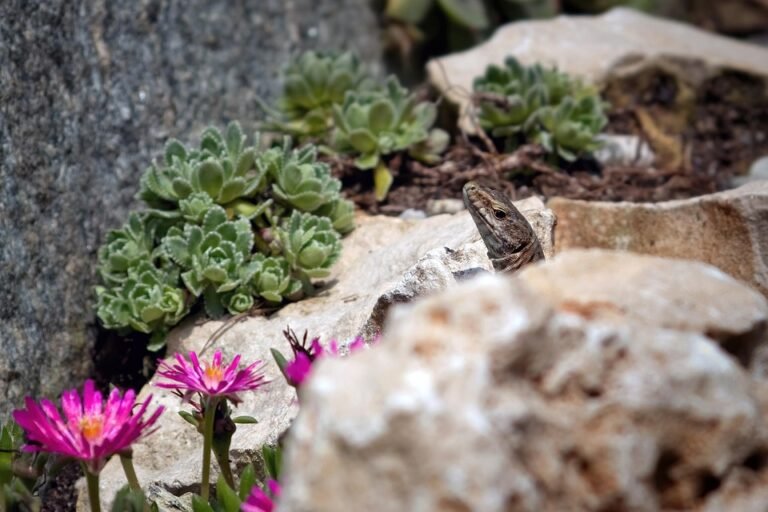
Known for their succulent leaves and vibrant flowers, sedum varieties like ‘Autumn Joy’ offer late-season blooms. They require minimal watering and are perfect for rock gardens or borders.
6. Black-eyed Susans
This classic perennial brings brightness with its yellow petals and dark centers, blooming from summer to fall. They are tolerant of drought and attract butterflies, enhancing your garden’s ecosystem.
7. Astilbe
Astilbe adds a soft texture to your garden with its feathery plumes. Preferring moisture, these plants thrive in partial shade, making them ideal for areas that receive little direct sun.
8. Hostas
Often planted in shady areas, hostas are famous for their lush foliage and subtle flowers. They come in various sizes and colors, adding depth and dimension to your landscape.
9. Catmint
With glassy blue blooms and a fragrant aroma, catmint is a drought-resistant perennial that blooms from late spring until early fall. It attracts pollinators and is a tough contender for garden perimeters.
10. Russian Sage
Providing a beautiful contrast with its silvery foliage and spikes of lavender-blue flowers, Russian sage is drought-tolerant and grows well in sunny spots, making it a striking choice for a border plant.
Practical Tips for Growing Perennials
To ensure that your perennial garden remains vibrant, keep the following tips in mind:
- Watering: Newly planted perennials require regular watering until established. Deep watering is recommended to encourage deep root growth.
- Mulching: Apply mulch to retain soil moisture, suppress weeds, and regulate soil temperature.
- Fertilizing: Choose a balanced fertilizer during the growing season to encourage healthy growth and blooms.
- Deadheading: Removing spent flowers can encourage continued blooming and improve overall plant performance.
- Dividing: Every few years, divide overcrowded plants to promote airflow and rejuvenate their growth.
Designing a Perennial Garden
When planning your perennial garden, consider the following design principles:
- Layering: Place taller plants at the back and shorter ones in the front to create visual interest.
- Color Palette: Choose a cohesive color scheme that complements your home’s exterior and the surrounding landscape.
- Seasonal Interest: Select plants that bloom in different seasons to ensure that there’s always something thriving in your garden.
Common Mistakes to Avoid
While creating a perennial garden can be rewarding, it is easy to make a few missteps:
- Overcrowding: Give each plant sufficient space to grow; overcrowding can lead to poor air circulation and fungal issues.
- Ignoring Sun Requirements: Be sure to understand each plant’s light requirements; shade-loving plants can struggle in full sun.
- Neglecting Soil Quality: Poor soil quality can hinder growth; amend your soil with organic material as needed.
Conclusion
Establishing a garden filled with perennial flowers can bring lasting beauty and enjoyment. Selecting the right varieties for your specific conditions, practicing good maintenance, and planning your garden design thoughtfully will help ensure year-round vibrancy. By investing in these resilient plants, you create an outdoor space that blooms continuously, welcoming each season with grace and color.
Frequently Asked Questions
What are the benefits of planting perennials instead of annual flowers?
Perennials return year after year, reducing the need for replanting and offering long-term cost savings. They typically require less maintenance once established and can improve garden biodiversity.
How do I prepare my soil for planting perennials?
Start by testing your soil’s pH and nutrient levels. Incorporate organic matter, such as compost, to improve drainage and nutrient availability before planting.
When is the best time to plant perennials?
Early spring or fall are ideal times to plant perennials. This allows them to establish roots before the harsh conditions of summer or winter.
Can perennials be container grown?
Yes! Many perennials thrive in containers. Just ensure that the containers provide adequate drainage, are large enough to support growth, and are placed in suitable light conditions.
How long do perennials typically last?
Healthy perennials can live for many years, with some species lasting decades. Proper care and maintenance will significantly extend their lifespan.