When it comes to creating a comfortable home environment, maximizing energy efficiency is paramount. One of the most effective strategies to achieve this goal is through proper insulation. The right insulation materials can significantly reduce heating and cooling costs, enhance comfort, and lower your home’s carbon footprint. This guide delves into various insulation materials, their benefits, and considerations to empower homeowners in making informed choices.
Understanding Insulation and Its Importance
Insulation serves as a barrier against heat transfer, helping to maintain a stable indoor temperature regardless of weather conditions outside. Here are some key benefits of effective insulation:
- Energy Savings: Proper insulation reduces the energy required for heating and cooling, resulting in lower energy bills.
- Enhanced Comfort: A well-insulated home minimizes temperature fluctuations, creating a more comfortable living environment.
- Environmental Impact: Lower energy consumption translates to a reduced carbon footprint, contributing to a more sustainable future.
- Noise Reduction: Insulating materials can also help in reducing noise from outside, making your home quieter.
Types of Insulation Materials
There is a variety of insulation materials available, each with distinct advantages and potential drawbacks. Understanding what each material offers can help you choose the right insulation for your home.
Fiberglass Insulation
Fiberglass is one of the most commonly used insulation materials due to its affordability and effectiveness. It consists of fine glass fibers and is available in batts, rolls, and loose-fill forms.
Advantages:
- Cost-effective and widely available.
- Resistant to moisture, mold, and pests.
- Good thermal performance.
Disadvantages:
- Can irritate skin and lungs during installation.
- Requires proper installation for optimal performance.
Foam Board Insulation
Made from polystyrene, polyisocyanurate, or Urethane, foam board insulation is rigid and typically used for exterior walls, basement walls, and under slabs.
Advantages:
- High insulating value with minimal thickness.
- Excellent moisture resistance.
- Easy to install in various applications.
Disadvantages:
- More expensive compared to other insulation materials.
- Can be less effective in penetrating awkward spaces.
Spray Foam Insulation
Spray foam insulation is a versatile solution that expands upon application, filling gaps effectively. It is primarily used in attics, walls, and other areas where air leakage is a concern.
Advantages:
- Provides an airtight seal, significantly reducing air leakage.
- Superior thermal resistance.
- Reduces sound transmission.
Disadvantages:
- Higher upfront cost compared to other options.
- Professional installation is recommended for optimal results.
Cellulose Insulation
Made from recycled paper products, cellulose insulation is an eco-friendly option often used in attics and walls. It can be blown into spaces, making it adaptable to various cavities.
Advantages:
- Environmentally friendly and sustainable.
- Good thermal and acoustic performance.
- Resists pests when treated.
Disadvantages:
- Can settle over time, reducing effectiveness.
- May require a professional installer for blown-in applications.
Mineral Wool Insulation
Mineral wool, or rock wool, is non-combustible and offers excellent thermal and sound-dampening properties. It is often used in walls, ceilings, and floors.
Advantages:
- Fire-resistant and offers superior sound insulation.
- Does not promote mold growth.
- Excellent moisture resistance.
Disadvantages:
- Can be more expensive than fiberglass options.
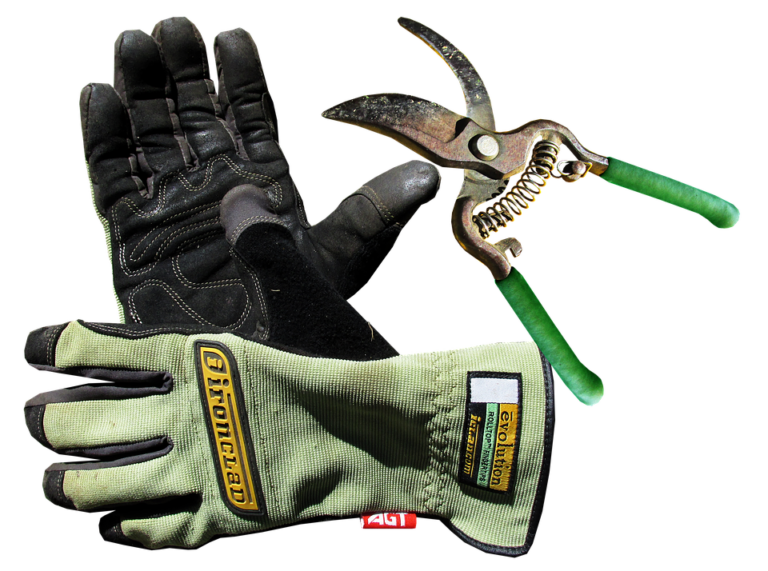
- Handling requires protective gear due to potential irritation.
Key Considerations for Choosing Insulation
When selecting insulation for your home, consider the following factors to ensure you make the best choice:
R-Value
R-value measures insulation’s resistance to heat flow. A higher R-value indicates better insulation performance. When insulating, consider the climate in your area and choose materials with appropriate R-values.
Moisture Resistance
Different insulation materials have varying moisture resistance levels. Areas prone to humidity, such as basements and attics, require materials that can withstand moisture to prevent mold growth.
Installation Methods
Consider whether you plan to install the insulation yourself or hire a professional. Some materials, like spray foam, require specialized equipment, while others like fiberglass batts may be more DIY-friendly.
Cost
While some materials may have a higher initial cost, their long-term energy savings can offset the expense. Weigh the upfront investment against potential savings on energy bills to assess value.
Common Mistakes to Avoid
To maximize the benefits of insulation, be mindful of these common mistakes:
Overlooking Air Sealing
Insulation alone is not enough. Ensure your home is properly air sealed to maximize efficiency and prevent energy loss.
Ignoring Local Building Codes
Before undertaking any insulation project, check local building codes and regulations to ensure compliance.
Not Accounting for Ventilation
Adequate ventilation is essential to prevent moisture buildup and maintain air quality, particularly in attics and crawl spaces.
Conclusion
Investing in the right insulation material is a crucial step toward achieving energy efficiency in your home. By understanding various insulation types, their advantages, and the factors influencing your choice, you can make informed decisions that enhance comfort, reduce energy costs, and benefit the environment. Whether you’re undertaking a major renovation or simply looking to improve your home’s insulation, the right approach will pay off in the long run.
FAQs
What R-value do I need for my area?
The required R-value varies based on your climate zone. Check local guidelines or consult a professional for recommendations specific to your area.
Can I install insulation myself?
Many insulation types can be installed by homeowners with basic DIY skills, especially fiberglass batts. However, certain products, such as spray foam, typically require professional installation.
Is it necessary to remove old insulation?
If your existing insulation is wet, moldy, or has settled significantly, it’s advisable to remove it before adding new insulation. This ensures optimal performance and air quality.
How do I know if my home needs better insulation?
Symptoms such as high energy bills, drafts, fluctuating indoor temperatures, and cold spots may indicate inadequate insulation.
Are there eco-friendly insulation options?
Yes, options like cellulose insulation and sheep’s wool are made from sustainable materials and present fewer environmental impacts compared to traditional insulation types.