Whether you’re enhancing your kitchen, revamping your garden, or organizing your living space, having the right tools can make all the difference. As a homeowner or someone interested in home improvement projects, it’s essential to equip yourself with quality instruments to ensure efficiency, safety, and success. This article will guide you through the fundamental instruments that every DIY enthusiast should consider for a wide array of tasks, from minor fixes to major renovations.
Basic Hand Tools: The Foundation of DIY Projects
Hand tools are indispensable for any home improvement task. They lay the groundwork for a well-equipped workshop, enabling you to tackle everything from simple repairs to complex builds.
Hammer
A reliable hammer is essential for driving nails into various materials, removing them, and performing other tasks. Look for a claw hammer that is comfortable to hold and balances well in your hand.
Screwdrivers
A complete screwdriver set should include both flat-head and Phillips-head types. Magnetic tips enhance usability by holding screws in place, making installation smoother and hassle-free.
Pliers
Pliers come in several types, including needle-nose for gripping small objects and wire-cutting pliers for electrical tasks. Investing in a quality plier set will save you time and frustration when working on intricate tasks.
Utility Knife
The utility knife is a versatile tool ideal for cutting a variety of materials, from cardboard to carpet. Choose a model with a retractable blade for safety and ease of use.
Tape Measure
Precision is key in home improvement projects. A sturdy tape measure with both metric and imperial measurements is crucial for ensuring accuracy in your dimensions.
Power Tools: Speed and Precision in Your Projects
While hand tools are essential, power tools can significantly expedite your projects. These tools often provide greater power and accuracy, enabling you to take on larger or more detailed tasks.
Drill
A cordless drill is versatile for both driving screws and drilling holes into various surfaces. When selecting a drill, consider battery life, torque settings, and ease of use. A hammer drill feature is beneficial for brick or concrete tasks.
Saw
Different saws serve different purposes. A circular saw is perfect for making large cuts quickly, while a jigsaw excels at intricate shapes. Consider what materials you’ll be working with to choose the right saw for your needs.
Sander
Sanding surfaces well can make the difference between a project looking professional and amateurish. Choose either a random orbital sander or a detail sander, depending on the level of detail you need.
Specialized Tools for Specific Projects
Depending on the nature of your projects, some specialized tools might also be worth considering. These can help with tasks that hand tools and general power tools may not accomplish as effectively.
Level
A level ensures that shelves, pictures, and furniture are aligned correctly. Whether it’s a laser level or a traditional spirit level, accuracy is critical to a polished look.
Stud Finder
When hanging heavy items like shelves or cabinets, a stud finder is invaluable. It helps locate wall studs, ensuring that your anchors are secure, reducing the risk of damage.
Tile Cutter
If you’re planning a tiling project, a tile cutter can help you achieve clean, precise cuts. Manual or electric options are available, depending on your needs and the scale of your work.
Organization and Storage Solutions
Having the right tools is just the beginning; proper organization can make your DIY tasks smoother. A well-organized workspace reduces clutter, enhances productivity, and makes it easier to find what you need when you need it.
Toolbox
Invest in a sturdy toolbox that can accommodate all your tools. Look for a model with dividers or compartments to keep everything organized.
Wall Storage
Using pegboards or shelving units can help you maximize space, keeping tools within easy reach while maintaining an orderly work environment. Consider labeling bins for extra organization.
Workbench
A solid workbench can provide a space where you can perform tasks safely and efficiently. Look for one with a sturdy surface, storage options, and possibly a vice for holding materials in place.
Safety Equipment: Protecting Yourself
Safety should always be a priority when engaging in home improvement tasks. Proper protective gear will keep you safe while allowing you to work efficiently.
Safety Glasses
Protecting your eyes from dust and debris is crucial. Invest in high-quality safety glasses that fit comfortably and provide full coverage.
Gloves
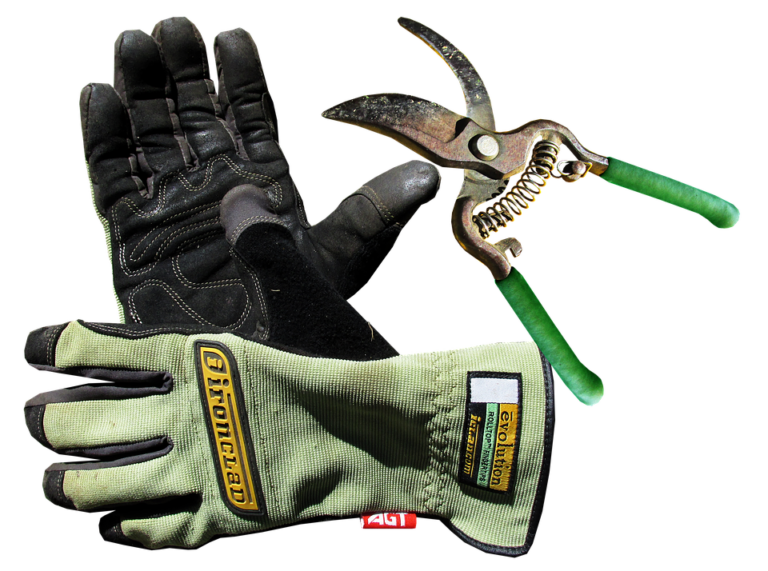
Work gloves can protect your hands from cuts, scrapes, and blisters. Opt for a pair that provides good grip without sacrificing dexterity.
Ear Protection
If you’re using noisy power tools, ear protection is essential. Look for earmuffs or earplugs designed for comfort during extended wear.
Investing Wisely: Buying Considerations
When getting your tools, consider the following factors to ensure you purchase wisely:
- Quality vs. Price: Investing in high-quality tools often proves more economical in the long run.
- Brand Reputation: Research brands with good reviews and warranties. Established brands tend to provide better customer support.
- Ergonomics: Choose tools that feel comfortable in your hands, especially for time-consuming tasks.
- Multi-purpose Tools: Consider tools that serve multiple functions to save space and money.
Avoiding Common Mistakes
When building your toolkit, avoid these common pitfalls:
- Rushing Purchases: Take the time to select quality tools. A hasty choice can do more harm than good.
- Overcomplicating: Start with the basics before branching into more specialized tools.
- Lack of Maintenance: Keep your tools in good condition through regular cleaning and maintenance—the longevity of your tools depends on it.
Conclusion
Equipping yourself with the right tools can empower you to tackle a wide range of home improvement projects with confidence. By investing in quality hand tools, power tools, safety gear, and organizational solutions, you’ll set yourself up for success. Dedicate time to research and select tools that will serve your needs, and you’ll find the process not only becomes easier but also more enjoyable. Happy building!
Frequently Asked Questions
What tools should a beginner start with?
A beginner should focus on acquiring a hammer, a set of screwdrivers, a tape measure, a utility knife, and pliers. These basics will cover most initial tasks.
Are expensive tools worth the investment?
In general, yes. Higher-quality tools tend to be more durable, provide better performance, and often include warranties for protection against defects.
How can I organize my tools effectively?
Consider using toolboxes with compartments, pegboards for easy visibility, and labeled bins for smaller items to promote an organized and efficient workspace.
What safety equipment is essential for DIY projects?
Always wear safety glasses, gloves, and ear protection when necessary to guard against injury during your home improvement tasks.
How often should I maintain my tools?
Regular maintenance is recommended; clean tools after each use, lubricate moving parts monthly, and inspect for wear or damage to ensure longevity.