Transforming your home décor doesn’t always require a complete overhaul or a hefty budget. With imagination and a little elbow grease, you can turn everyday items—often bound for the trash—into unique pieces that not only enhance your living space but also reduce waste. In this article, we’ll explore various innovative ideas for repurposing old furniture and materials, thereby infusing your home with character while fostering sustainability.
Understanding the Benefits of Upcycled Furniture
Before diving into specific projects, it’s essential to recognize the many advantages of using recycled materials:
- Environmental Impact: Reducing waste helps minimize landfill overcrowding and conserves resources.
- Cost-Effective: Many upcycling projects require minimal investment, allowing you to revamp your space on a budget.
- Unique Character: Each piece tells a story, providing a one-of-a-kind look that mass-produced furniture cannot replicate.
- Creativity and Personalization: Engaging in DIY projects enables you to express your style through customized designs.
Transforming Common Household Items
Everyday items often hold potential that goes unnoticed. Below are practical suggestions for giving new life to common household goods.
Old Wooden Pallets
Wooden pallets are often discarded after delivering goods, but they can be turned into various furniture pieces with just a bit of work:
- Dining Table: Sand down and stain the pallets, stack them to form a base, and top with glass or reclaimed wood for a rustic dining table.
- Garden Bench: By securing two pallets side by side, you can create a charming outdoor bench that’s perfect for relaxation.
Repurposing Suitcases
If you have old suitcases collecting dust in your attic, consider these creative options:
- Coffee Table: Add legs to a vintage suitcase for a quirky coffee table that sparks conversation.
- Storage Ottoman: Stuff a suitcase with soft padding and fabric for a stylish seating option that provides extra storage.
Upcycling Old Doors
An old door can serve a multitude of purposes beyond a simple entryway:
- Headboard: A door can be mounted as a headboard for a bed, adding a rustic or vintage appeal to your bedroom.
- Tabletop: Two sturdy legs can support an old door repurposed as a desk or kitchen table. Paint or stain it to match your décor.
Creative Use of Furniture Parts
Sometimes, it’s the individual components of furniture that can be upcycled:
Drawer Units
Old dresser drawers can be transformed into:
- Wall Shelves: Securely wall-mount the drawers and paint or stain them for an attractive shelving solution.
- Storage for Kids’ Toys: Attach castors to the bottom of a drawer to create a mobile toy bin, making clean-up easier for children.
Table Legs
If you have leftover table legs from an old console table:
- DIY Plant Stand: Attach a small tabletop to the legs for an elegant plant stand that can showcase your greenery.
- Stools or Benches: Combine the legs with a sturdy cushion for makeshift seating options in your living room or backyard.
Fun With Fabrics
Old fabric can be much more than just rags. Here’s how you can create new layout from what you might ordinarily discard:
Reimagining Upholstery
Give outdated upholstered items a fresh appearance without replacing the whole piece:
- Recover Dining Chairs: Using bright or patterned fabric, you can breathe new life into your chairs, enhancing your dining space.
- Fabric-Covered Wall Art: Stretch vibrant fabric over a wooden frame to create striking wall art without much effort or expense.
Practical Considerations for Upcycling Projects
While the possibilities are nearly endless, a few considerations can help ensure your projects are successful:
- Condition of Materials: Assess the durability and safety of items before starting a project, especially if children will use them.
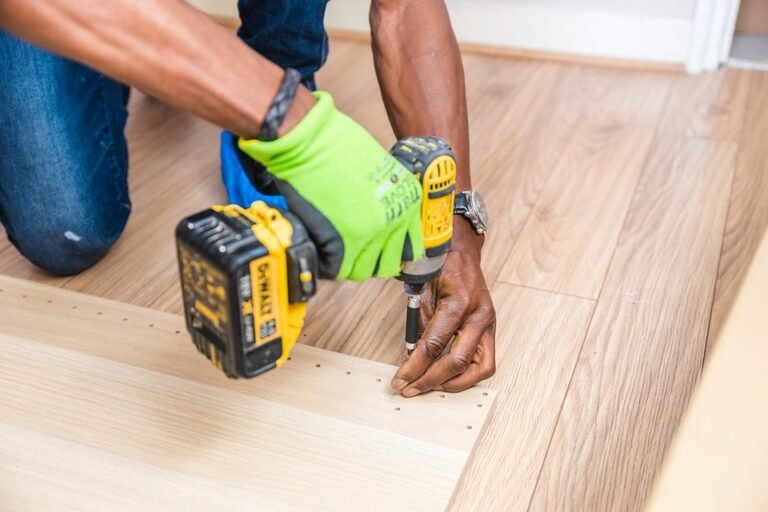
- Tools and Supplies: Ensure you have the right tools and enough materials for your desired project. Basic tools include sandpaper, paint, adhesive, or hardware like nails or brackets.
- Safety Precautions: Always use gloves, masks, and other protective gear when working with tools and chemicals.
Engaging the Community
Many communities have local workshops, maker’s spaces, or online forums where you can share ideas and gather inspiration. Engage with fellow DIY enthusiasts through social media platforms to exchange tips and completed project showcases.
Common Mistakes to Avoid
As exciting as it is to reinvent furniture pieces, some common pitfalls should be avoided:
- Overcomplicating Projects: Start with simpler tasks to build confidence before tackling more intricate designs.
- Ignoring Measurements: Always measure your space and furniture before starting a project to avoid resizing issues later on.
- Rushing the Process: Take your time. The best results come from careful planning and execution.
Conclusion
Reimagining furniture through recycling and upcycling offers a rich opportunity to express your creativity. With a thoughtful approach, you can seamlessly incorporate personalized touches throughout your home while contributing positively to the environment. Embrace the spirit of DIY and let your imagination guide you as you breathe new life into forgotten treasures.
FAQ Section
What types of furniture are best for recycling projects?
Pieces made from sturdy materials such as wood or metal tend to be more suitable for upcycling. Look for items like chairs, tables, or cabinets that have good bones and can withstand alterations.
Do I need special tools for my upcycling projects?
Basic tools such as hammers, drills, screwdrivers, and sandpaper are often sufficient for most projects. More advanced tools may be required depending on the complexity of the item you’re creating.
How should I prepare my items before starting a project?
Clean the item thoroughly, remove any old paint or finishes if necessary, and ensure all parts are in suitable condition. Sanding down surfaces can help new paint or finishes adhere well.
Can upcycled furniture be painted or stained?
Yes! You can paint or stain your upcycled items to match or complement your existing décor. Be sure to use paints and finishes appropriate for the material.
Where can I find materials for my upcycling projects?
Look for materials at thrift stores, garage sales, online marketplaces, or even from friends and family who may have items they no longer need.