Woodworking offers an incredible opportunity for homeowners and DIY enthusiasts to channel creativity into functional projects. Whether you want to spruce up your home, create custom pieces to fit your space, or simply engage in a rewarding hobby, honing woodworking skills can provide a myriad of benefits. For those just getting started, tackling the right projects can build a solid foundation in woodworking techniques and principles. Below are several practical projects that not only help in developing essential skills but also result in beautiful, usable items for your home.
Understanding Basic Woodworking Skills
Before diving into specific projects, it’s crucial to understand the fundamental skills involved in woodworking. Mastery of these basics will make your projects smoother and more enjoyable:
- Measuring and Marking: Accuracy in measurements is vital. Learn to use a tape measure and square effectively.
- Sawing: Familiarize yourself with various saw types to cut wood accurately and safely.
- Jointing: Understanding how to create strong joints will lead to durable constructions.
- Sanding: Proper sanding techniques ensure a smooth finish on your projects.
- Finishing: Experiment with stains, paints, and sealants to enhance the beauty of your wood.
Creating a Simple Bookshelf
A straightforward bookshelf is an ideal first project. It helps you practice measuring, cutting, and assembling, while producing a useful piece of furniture.
Materials Needed:
- Wood boards (pine is good for beginners)
- Wood screws
- Wood glue
- Sanding paper
- Paint or wood stain (optional)
Key Techniques:
You’ll practice making basic cuts, use screws and wood glue for assembling, and learn sanding techniques for finishing.
Building a Picture Frame
Crafting a custom picture frame is another rewarding beginner project. It introduces you to miter cuts and finishing techniques. It allows you to bring your flair to home decor.
Steps Involved:
- Measure and cut four pieces of wood at 45-degree angles.
- Assemble the frame using wood glue and clamps.
- Sand down the edges and corners.
- Finish with paint or stain to match your decor.
Building a Birdhouse
A birdhouse is not just a charming addition to your garden but also a fantastic project to hone skills such as cutting angles and creating joints. Plus, it fosters a connection with nature!
Materials Needed:
- Cedar or pine boards
- Wood screws or nails
- Acrylic paint or sealer (optional)
Construction Tips:
Ensure the entry hole is the right size for the type of birds you want to attract. Practice drilling and assembling, and don’t forget to ventilate your birdhouse!
Creating a Simple Bench
A basic outdoor or indoor bench can be a functional addition to your home. This project emphasizes strength and stability.
Materials Needed:
- Wood planks for the seat and legs
- Wood screws
- Wood glue
Essential Techniques:
Learn how to cut pieces accurately for the seat and legs, create strong support joints, and apply a weather-resistant finish if placed outdoors.
Making a Cutting Board
Crafting a personalized cutting board is an enjoyable and practical project. This task will help you learn about different wood types and their care.
What You’ll Need:
- A hardwood like maple, walnut, or cherry
- Food-safe mineral oil for finishing
Steps to Follow:
- Cut the wood into your desired shape and dimensions.
- Smooth the edges with sandpaper.
- Apply mineral oil for protection.
Creating Shelving Units
Built-in shelving provides an excellent way to explore different wood joinery techniques while offering practical storage solutions. This project can also cater to your specific storage needs.
Planning Tips:
Consider your space dimensions and the type of items you intend to store. This will influence your design and material choices.
Building a Simple Table
Creating a small side table or coffee table offers an excellent chance to practice more complex joinery techniques and improves your ability to problem-solve when things don’t fit as perfectly as planned.
Materials Needed:
- Wood for the tabletop and legs
- Wood glue
- Brackets for added stability (optional)
Construction Guidelines:
Focus on creating a level surface for the tabletop and ensuring sturdy legs through good joinery.
Making Wooden Coasters
This project is quick and allows you to practice cutting techniques while giving you multiple items you can easily give as gifts!
What You’ll Need:
- Wood scraps
- Sanding paper
- Wood finish
Steps:
- Cut wood into square or circular shapes.
- Smooth the edges with sandpaper.
- Apply a food-safe finish to enhance durability.
Creating a Tool Organizer
As you accumulate more tools, an organizer becomes essential. Designing and building your own allows for personalization in size and layout.
Materials Needed:
- Wood for the base and dividers
- Wood screws
- Wood glue
Design Considerations:
Think about the types of tools you have and arrange dividers to keep everything within reach yet organized.
Conclusion
Embarking on these projects presents a fantastic opportunity to develop essential woodworking skills while creating beautiful items for your home. With patience and practice, you’ll improve your confidence and competence at the workbench. As you become more skilled, don’t hesitate to take on more complex projects that excite your creativity. Remember, every expert was once a beginner—so embrace the process!
Frequently Asked Questions
What type of wood is best for beginners?
Pine is an excellent choice for beginners due to its affordability, ease of cutting, and availability. Hardwoods like oak or maple are more durable but can be more challenging to work with.
What tools do I need to start woodworking?
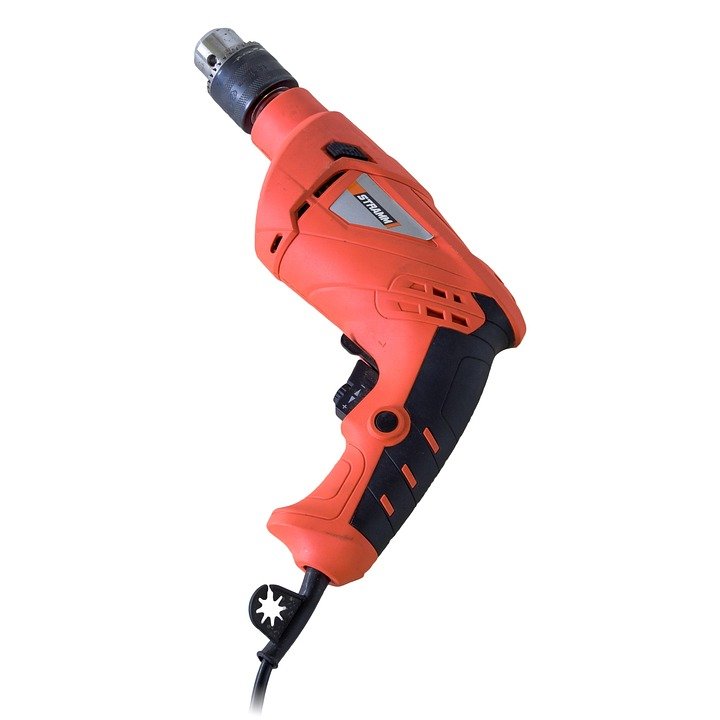
At a minimum, you’ll need a measuring tape, saw (hand saw or power saw), drilling machine, screwdriver, wood glue, clamps, and sandpaper. As you progress, consider adding more specialized tools.
How do I maintain my woodworking tools?
Regularly clean your tools and ensure they stay rust-free. Use a lubricating oil on metal parts, and keep the blades sharp for effective cutting.
Can I use recycled wood for these projects?
Yes! Recycled wood not only lends character to your projects but can also be more cost-effective. Just ensure the wood is free of major damage or pests.
What finishing techniques should I use?
For functional items, food-safe finishes are ideal, such as mineral oil or beeswax. For decorative pieces, paints and varnishes can enhance aesthetics while adding protection.