Keeping your home clean and organized can feel overwhelming, especially when it comes to achieving a thorough deep clean. A deep clean involves more than just surface dusting or vacuuming; it’s an extensive scrubbing session that tackles hidden dirt, allergens, and clutter in every corner of your living space. This guide is here to equip you with essential steps and insights that will help you methodically approach this deep-cleaning endeavor, ensuring your home looks, feels, and smells fresh.
Understanding the Importance of a Deep Clean
Deep cleaning your home is vital for several reasons:
- Health Benefits: Regular deep cleaning reduces allergens, bacteria, and other pollutants that can negatively impact your health.
- Enhances Aesthetics: A pristine home is visually appealing and creates a welcoming environment.
- Long-Term Care: Routine deep cleaning extends the life of your furniture, appliances, and other household items.
- Stress Reduction: A tidy, clean space can significantly lower stress and anxiety levels.
Preparation: Gather Your Supplies
Before diving into a thorough cleaning session, it’s essential to gather all the necessary supplies. This organization will streamline your process and help you transition from room to room efficiently. Here is a basic checklist of cleaning supplies you might need:
Essential Cleaning Supplies
- All-purpose cleaner
- Glass cleaner
- Disinfectant wipes or spray
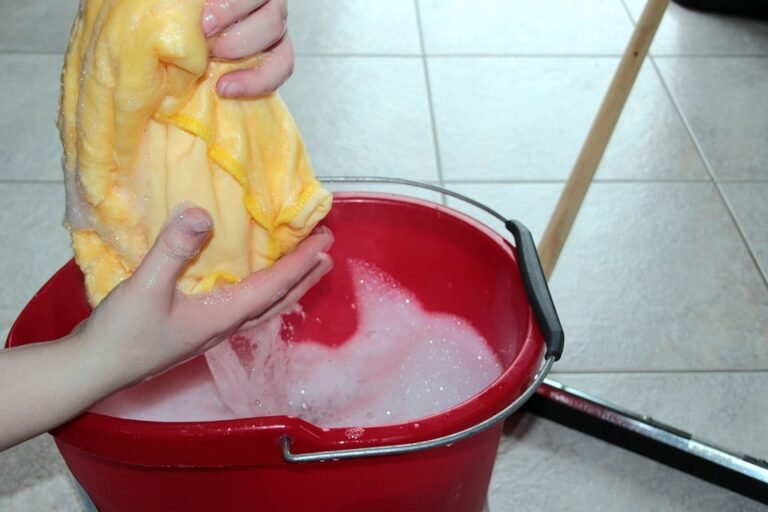
- Microfiber cloths or cleaning rags
- Sponges and brushes
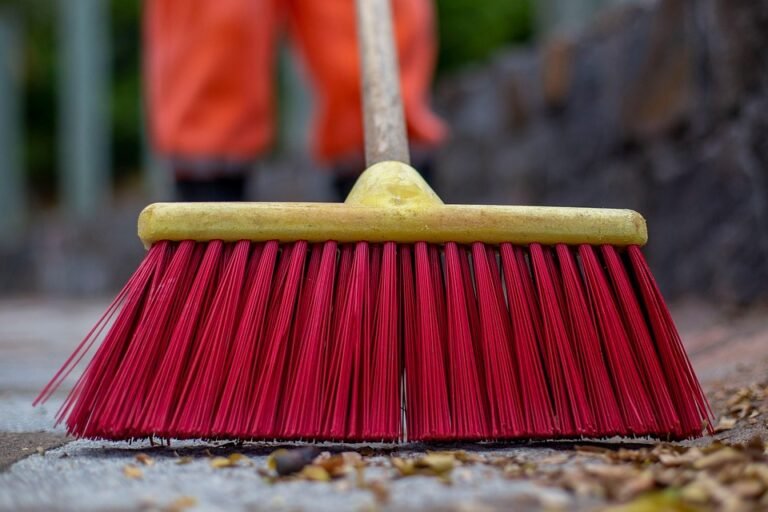
- Broom, dustpan, and mop
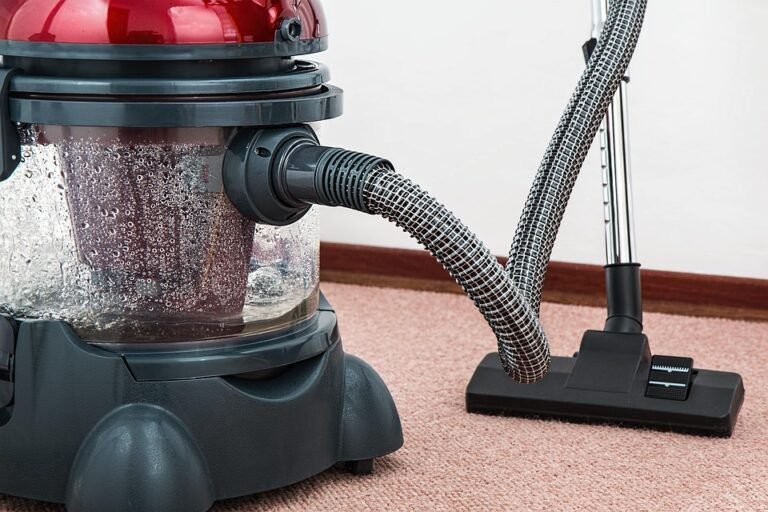
- Vacuum cleaner with various attachments
- Bucket
- Rubber gloves
- Trash bags
Assess what you already have and make a shopping list for any additional items needed. This preparation will save time and effort during the cleaning process.
Creating a Cleaning Plan
To make the deep cleaning process less daunting, creating a plan is essential. Divide your home into sections, such as rooms or areas, and allocate specific times to focus on each. Here’s a suggested approach:
Divide by Rooms
- Living Room
- Kitchen
- Bathrooms
- Bedrooms
- Hallways and Entryways
Consider tackling one room at a time, which helps to maintain motivation and focus. Alternatively, some people find it beneficial to clean similarly structured areas together (e.g., all bathrooms at once).
Prioritize Tasks
Within each room, prioritize tasks by starting with the items that require the most effort. This often means decluttering and organizing before moving on to the actual cleaning.
Executing the Deep Clean
1. Start with Decluttering
Begin each room by removing items that don’t belong, putting away clutter, and organizing surfaces. This step will make the cleaning process smoother and more effective. Here’s how:
- Set aside items that belong in different rooms.
- Decide what items you no longer need or use. Consider donating or throwing away these items.
- Invest in storage solutions like bins or baskets for a more organized approach.
2. Dusting and Sweeping
Once you’ve decluttered, move on to dusting. Use a microfiber cloth or a duster for a thorough job:
- Start from the highest point (like ceiling fans and shelves) and work your way down to avoid recleaning areas.
- Don’t forget baseboards, windowsills, and light fixtures.
- Vacuum carpets and sweeping hard floors to remove dirt and debris.
3. Deep Clean Surfaces
Now it’s time to disinfect surfaces in every room, using appropriate cleaners for each area.
- Kitchen: Wipe countertops, clean appliances (microwave, fridge, oven), and sanitize sinks. Don’t forget to clean inside the fridge and the pantry.
- Bathrooms: Scrub toilets, sinks, bathtubs, and showers. Don’t skip the grout lines and mirrors.
- Living Room: Wipe electronics (be careful with screens), dust furniture, and clean any decorative items like picture frames.
- Bedrooms: Dust surface areas, clean mirrors, and change bed linens. Consider flipping or vacuuming your mattress.
4. Flooring Care
Different flooring types require unique cleaning approaches:
- Carpet: Consider using a carpet cleaner or steam cleaner for a more thorough clean.
- Hardwood: Use a damp mop with a cleaner specifically designed for wood.
- Tiles: Scrub grout lines and use a suitable tile cleaner.
Post-Cleaning Organization
Once cleaning is complete, reorganizing will help maintain clutter-free spaces. Here are some strategies:
1. Review and Re-organize
Go through the items you’ve kept and find logical places for everything. Use drawer organizers, shelves, and hooks to maximize space.
2. Set a Maintenance Schedule
Deep cleaning shouldn’t be a once-a-year task. Establish a maintenance routine to keep your home looking fresh:
- Daily: Light cleaning tasks (like dishes and wiping down surfaces)
- Weekly: Vacuuming, mopping, and dusting
- Monthly: Deep cleaning areas like refrigerators and windows
Common Mistakes to Avoid
Even the most diligent homeowner can make missteps during a deep clean. Here are some common errors to watch for:
- Skipping the clutter removal phase.
- Using the wrong cleaners for specific surfaces.
- Not having a systematic approach; cleaning room by room or task by task is more efficient.
- Neglecting to clean often-overlooked areas, such as behind furniture.
Conclusion
A successful deep clean can transform your living space, making it healthier and more enjoyable to inhabit. By preparing adequately, making a structured plan, and avoiding common pitfalls, you’ll not only achieve a sparkling home but also establish a routine that keeps it looking great year-round. Remember, the goal is to create a home that reflects your style and fosters well-being.
FAQ
How often should I deep clean my home?
For most households, deep cleaning every 6 months is ideal, while maintaining a regular weekly cleaning schedule helps keep surfaces and items fresh.
Can I use homemade cleaning supplies for deep cleaning?
Yes, many homemade cleaning supplies are effective! Common ingredients like vinegar and baking soda can tackle various cleaning tasks safely and efficiently.
What areas are often overlooked during a deep clean?
Commonly overlooked areas include ceiling fans, baseboards, behind appliances, and light fixtures.
Is it necessary to hire professionals for a deep clean?
It’s not necessary to hire professionals for a deep clean, but if your space is especially large or heavily soiled, it may be worth considering for thorough results.
What is the best time of year for a deep clean?
Many people choose to deep clean in the spring as a part of spring cleaning, but any time is a good time to freshen up your home, especially after major life changes or events.