Home renovations can significantly enhance the comfort and aesthetic appeal of your living space, but they often come with a hefty price tag. For many homeowners, embarking on a renovation project without breaking the bank is a top priority. Whether you’re aiming to modernize your kitchen, add curb appeal, or simply maximize space, there are several strategies you can implement for a budget-friendly transformation. Below, we explore a range of practical tips to help you craft your dream space without compromising your wallet.
Assess Your Needs and Set Priorities
Before diving into any renovation project, a thorough evaluation of your needs is essential. Take time to identify which areas of your home require attention and which projects will yield the most significant impact. This step will help you allocate your budget wisely.
Evaluate What Matters Most
Consider focusing on areas that will enhance your daily life or add value to your home. For instance:
- Kitchens and Bathrooms: These areas typically provide the best return on investment (ROI) and significantly improve daily functionality.
- Living Space: Open-concept designs can improve space management and social interaction.
- Curb Appeal: Simple upgrades like landscaping or exterior paint can dramatically increase a home’s value.
Create a Budget
Establishing a clear budget helps you stay focused and prevents overspending. Consider the following factors:
- Materials and Supplies
- Labor Costs (DIY versus professional help)
- Contingency Fund for unexpected expenses (10-20% of the total budget)
DIY vs. Professional Help
While certain tasks require professional services, many renovation projects can be tackled with some dedication and creativity. Assess your skills and comfort level with the following:
Identify DIY Opportunities
There are numerous small projects you can undertake yourself:
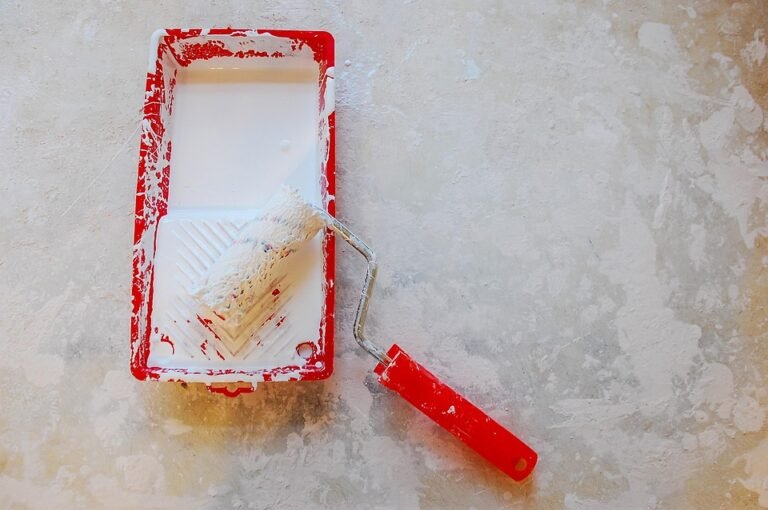
- Painting: A fresh coat of paint can considerably alter the ambiance of any room.
- Repurposing Furniture: Give old furniture new life with paint, upholstery, or refinishing techniques.
- Landscaping: Simple planting or garden maintenance can enhance the outdoor living space.
Knowing When to Hire Professionals
For more complex tasks like electrical work, plumbing, or structural changes, hiring a qualified professional is crucial. Attempting these types of projects without experience can lead to costly mistakes.
Smart Material Choices
The materials you choose play a significant role in your renovation costs. Here are some ways to make more economical choices without sacrificing quality:
Opt for Cost-Effective Alternatives
Look for less expensive materials that mimic high-end options:
- Laminate vs. Hardwood: Laminate flooring can closely resemble hardwood at a fraction of the cost.
- Quartz vs. Granite: Engineered stone offers durability and aesthetic appeal with lower price points.
- Vinyl Tiles: For a budget bathroom update, vinyl tiles often look stylish and are easy to maintain.
Shop Sales and Discounts
Always keep an eye out for sales, clearance sections, or even thrift stores. Many retailers offer seasonal discounts that can significantly reduce material costs.
Focus on Small Upgrades with High Impact
Sometimes, minor adjustments can produce stunning results. Implementing small upgrades might provide the fresh feel of a renovation without the larger commitment.
Minor Changes that Make a Big Difference
Consider these impactful improvements:
- Lighting Fixtures: Swapping outdated fixtures for modern ones can refresh a space.
- Cabinet Hardware: New handles or knobs can make kitchen cabinets look brand new.
- Decorative Touches: Add personal flair with artwork, throw pillows, or stylish rugs.
Maximize Space
Utilizing existing space more effectively can often provide significant benefits. Explore ideas like:
- Built-In Shelving: Create customized storage solutions that utilize vertical space.
- Multipurpose Furniture: Invest in items that serve more than one function, like storage ottomans or fold-out tables.
Plan for the Long Run
When investing in renovations, it’s wise to think long-term. While cheaper options may save money upfront, they could incur costs later due to repairs or replacements.
Invest in Quality for Longevity
Choosing durable materials or energy-efficient appliances might seem pricier at first but can yield savings on maintenance and utilities in the long run. Some considerations include:
- Energy-Efficient Windows: Not only do they reduce energy bills, but they also add comfort to your home.
- Quality Fixtures: Investing in good plumbing or electrical fixtures can save you from future headaches.
Be Open to Compromise
Expect some level of compromise during your renovation process. This openness can lead to new opportunities for creativity, allowing your vision to adjust to fit within your budget.
Reassess Your Original Plan
If costs are exceeding your budget, revisit your plan and explore alternative approaches that align better with your financial goals. For example, consider:
- Reducing the scope of the project, such as focusing only on the essentials.
- Choosing different materials that provide better affordability.
Conclusion
Home renovations on a budget are achievable with careful planning, resourcefulness, and creativity. By assessing your needs, knowing when to DIY, making smart material choices, and keeping your long-term goals in mind, you can create a beautiful living space without straining your finances. Keep in mind that the best renovations reflect your personal style while accommodating practical needs.
FAQ
What are some budget-friendly ways to renovate a bathroom?
Consider options such as repainting existing cabinetry, swapping out fixtures for modern styles, and using peel-and-stick tiles for an updated look without the high cost.
How can I reduce labor costs for my renovation?
Take on smaller tasks yourself and hire professionals only for specialized work, ensuring you focus on areas needing expertise while managing simpler tasks.
Where can I find affordable materials for my renovations?
Look for sales at home improvement stores, visit local thrift shops or salvage yards, and check online marketplaces where individuals sell leftover materials.
How can I ensure my renovations add value to my home?
Focus on popular renovations such as kitchen and bathroom updates, prioritize improvements that enhance functionality, and consider energy-efficient options that appeal to future buyers.
What should I do if my budget exceeds expectations?
Revisit your project scope, focus on essential items first, and consider postponing non-urgent upgrades until your budget allows future enhancements.