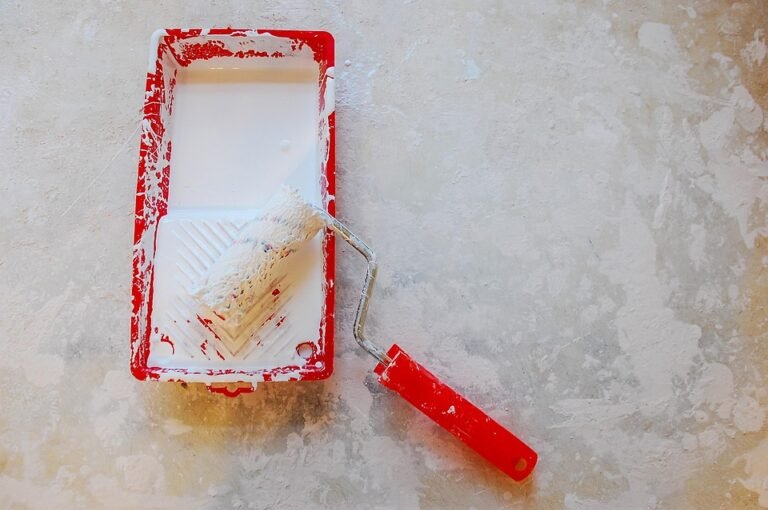
Home improvement projects can enhance the functionality and aesthetic appeal of your living space, making your home a more comfortable and enjoyable place to live. However, understanding the true costs associated with these projects is crucial for effective budgeting and planning. With countless options available, from simple DIY updates to complete renovations, knowing what to expect financially can help you make informed decisions.
Factoring in Direct Costs
When planning a home improvement project, the first step is to consider the direct costs, which typically include:
- Materials: The quality and type of materials can vary widely in price. For example, hardwood flooring can range from $3 to $12 per square foot, while laminate might only cost $1 to $5.
- Labor: If you’re hiring professionals, labor costs can significantly increase the overall budget. Rates often depend on location and the complexity of the work, ranging from $50 to $150 per hour.
- Permit Fees: Many projects require permits, especially those involving structural changes. Permit costs can vary greatly, often ranging from $50 to several hundred dollars.
- Cleanup and Disposal: Don’t forget about costs for disposing of old materials, which can sometimes add up if you need to rent a dumpster or pay for special disposal services.
Transformative Projects and their Costs
Below is an overview of some popular home improvement projects along with their estimated costs, potential returns, and considerations.
Kitchen Remodel
On average, a minor kitchen remodel can cost between $10,000 and $15,000, while a major overhaul may range from $25,000 to $50,000 or more.
- Considerations: Focus on high-impact changes like replacing countertops, updating appliances, or enhancing cabinetry.
- Returns: Kitchen renovations typically offer a high return on investment (ROI), often recouping 70-80% of your costs.
Bathroom Renovation
A bathroom remodel generally costs from $5,000 to $15,000 for a basic upgrade, with luxury renovations ranging from $20,000 to $50,000.
- Considerations: Consider updating fixtures, tiles, and plumbing—the last being crucial for avoiding future issues.
- Returns: A remodeled bathroom can yield an ROI of 60-70% at resale.
Landscape Design
Creating an inviting yard can range from a few hundred dollars for basic landscaping to upwards of $10,000 for complete overhauls.
- Considerations: Be mindful of ongoing maintenance costs and select plants suited to your climate for lower upkeep.
- Returns: Good landscaping can significantly increase curb appeal and potentially value by up to 15%.
Energy Efficiency Upgrades
Projects such as new windows, insulation, and HVAC systems can range from $2,000 to $15,000.
- Considerations: While these initial costs can be high, they often lead to significant savings on energy bills over time.
- Returns: Many energy-efficient upgrades recoup 70-90% of their costs through energy savings and improved home valuations.
Hidden Costs to Be Aware Of
While direct costs are easier to calculate, hidden costs can sneak up on you. Here are some to consider:
Unexpected Structural Issues
Older homes can present surprises, such as rotting wood or outdated electrical systems. Always conduct a thorough inspection before beginning major renovations.
DIY vs. Professional Help
Many homeowners are tempted to go the DIY route to save money. However, assess your skill level realistically; mistakes can end up costing significantly more than hiring a professional in the long run.
Change Orders
During renovations, you might find yourself wanting to change something mid-project. These change orders can lead to additional costs and delays, so try to finalize your plan beforehand.
Planning for Contingencies
When budgeting for home improvement projects, it’s wise to reserve an additional 10-20% of your total budget for unexpected expenses. This safety net can help absorb the financial shock of unforeseen challenges.
Cost vs. Value: Balancing Upgrades
Knowing which projects offer a good return on investment and which contribute more to personal comfort can help you prioritize renovations. For instance:
- Modernizing kitchen and bathroom spaces typically offers strong ROI.
- Curb appeal elements like landscaping and exterior work can attract buyers.
- Functional upgrades that enhance energy efficiency can lead to long-term savings.
Common Mistakes to Avoid
When diving into home improvement projects, it’s essential to steer clear of frequent pitfalls:
- Overspending: Stick to your budget and avoid being swayed by trends that don’t offer lasting value.
- Inadequate Research: Make informed decisions about materials and contractors by seeking recommendations and reading reviews.
- Ignoring Building Codes: Always ensure that your projects comply with local codes to avoid fines or costly rework.
Conclusion
Being informed about the costs associated with home improvement projects can empower homeowners to make decisions that enhance their living spaces while staying within budget. By weighing direct costs, considering hidden expenses, and making prudent choices during the planning phase, you can see your dream home become a reality without financial strain. Remember to plan for contingencies and prioritize projects that align both with your lifestyle needs and future financial gains.
FAQ
1. How can I estimate the cost of my home improvement project?
You’ll want to assess the scope of the project, gather quotes from multiple contractors, and research material costs. Online calculators can also provide a rough estimate based on national averages.
2. Should I hire a contractor or attempt DIY renovations?
Consider your skill level, the complexity of the project, and the time you can dedicate. Small, straightforward tasks can often be tackled DIY, while extensive renovations typically benefit from professional expertise.
3. What are some ways to save on home improvement projects?
Look for sales on materials, consider using second-hand items, and schedule projects during off-peak seasons. Additionally, thorough planning can help avoid costly change orders.
4. Are there tax incentives for energy-efficient home improvements?
Yes, many regions offer tax credits or rebates for energy-efficient upgrades, so it’s worth checking local regulations and available programs.
5. How can I increase my home’s value with renovations?
Focus on high-ROI projects such as kitchen and bathroom remodels, enhancing curb appeal through landscaping, and upgrading energy efficiency to improve your overall home value significantly.