Your outdoor space has the potential to be a vibrant sanctuary filled with color and life, and adding a flower garden is a fantastic way to achieve this. Whether you have a sprawling backyard or a petite patio, there are numerous ways to design a beautiful flower garden suited for every season. Transforming your outdoor area with seasonal blooms can create a dynamic environment, attract pollinators, and enhance the overall aesthetic of your home. Below, you’ll find inspiring ideas for cultivating a beautiful flower garden throughout the year.
Understanding Seasonal Flowers
Before diving into specific ideas, it’s essential to understand which flowers thrive during particular seasons. Annuals complete their life cycle in one growing season, while perennials return year after year, bringing sustained beauty to your garden. Incorporating a mix of both can provide year-round interest.
Spring Blooms: Welcoming the Season
As winter gives way to spring, it’s time to introduce vibrant colors into your landscape. Choose from a selection of flowers that add freshness to your garden.
Daffodils and Tulips
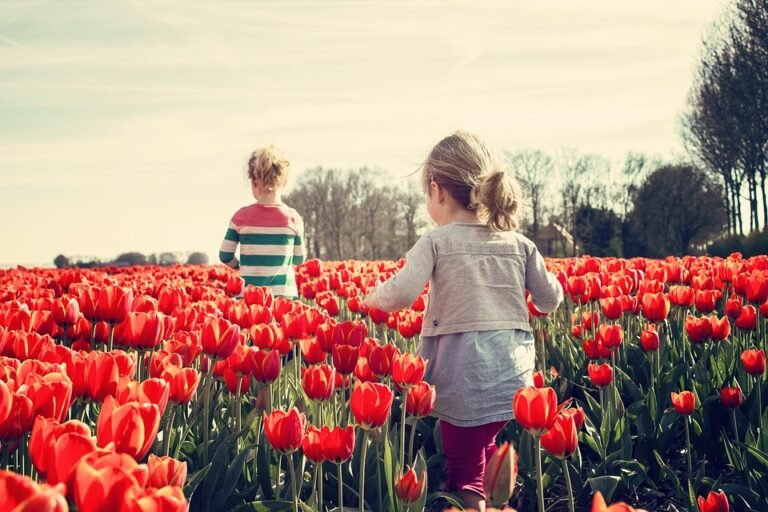
Both daffodils and tulips are quintessential spring flowers, known for their bright hues and cheerful disposition. Plant them in clusters to create stunning color blocks. They prefer well-drained soil and full sunlight.
Perennial Favorites
Consider incorporating perennial flowers like peonies and irises to ensure that you have returning beauty each spring. These hardy plants often bloom just as the weather warms, providing a backdrop for seasonal celebrations.
Summer Spectacles: Full Bloom
Summer is the peak of flower beauty, with a palette bursting with color and fragrance. The right combinations can create a lively oasis.
Annuals for Endless Color
Bright annuals such as marigolds, zinnias, and petunias add vibrant splashes of color throughout the summer months. They thrive in warm weather and can be regularly deadheaded to promote new blooms.
Native Plants for Sustainability
Utilize indigenous flowering plants such as coneflowers or black-eyed Susans. These plants are not only beautiful but also attract pollinators, helping to sustain local wildlife. Creating habitats with native plants can contribute to environmental conservation.
Autumn Arrangements: Capturing the Season
As the cooler weather approaches, autumn’s warm tones create a serene garden atmosphere. This transitional time can highlight rust, gold, and deep red flowers.
Chrysanthemums and Asters
Chrysanthemums are iconic fall flowers that come in various colors. They bloom just in time to add warmth to your landscape as other flowers fade. Asters, with their vibrant blue and purple hues, complement the fall palette perfectly.
Creating a Cozy Ambiance
Pair your fall flowers with ornamental grasses or pumpkins to create a cozy harvest-themed display. This combination not only enhances the garden but also provides texture and depth.
Winter Wonders: Embracing the Chill
Although the winter months can seem bleak, certain plants can still bring life and color to your garden. Focus on hardy options that can withstand colder temperatures.
Winter Jasmine and Hellebores
Winter jasmine blooms bright yellow in the depths of winter and is a joyous sight against the starkness of the season. Hellebores, or Christmas roses, add delicate flowers even when snow is still on the ground, creating an enchanting winter garden.
Utilizing Evergreens
Incorporate evergreen plants with seasonal flowers for year-round appeal. The contrasting textures of evergreen foliage and winter blooms can create a visually appealing landscape even in colder months.
Design Ideas for Every Garden Size and Style
Creating a flower garden can differ dramatically based on the space you have available. Here are some design ideas tailored for various setups.
Flower Bed Designs
If you have ample space, consider traditional flower beds. Create layered heights by planting taller flowers at the back and shorter ones in front. Utilizing curved borders can add an element of softness to the design.
Container Gardens
For smaller spaces, container gardening allows you to create beautiful displays on patios or balconies. Choose pots of varying sizes and heights for visual interest. Remember to select plants that share similar light and watering needs.
Vertical Gardens
Vertical gardens can maximize space while adding dimension. Use wall-mounted planters or trellises to grow climbing plants like sweet peas or morning glories, which add considerable charm and save ground space.
Maintenance Tips for Flower Gardens
After selecting and planting your flowers, understanding how to care for them will ensure they thrive throughout the seasons.
- Watering: Most flowers require consistent watering, especially in dry spells. Early morning is the best time to water to reduce evaporation.
- Fertilizing: Use a balanced fertilizer during active growth months to support healthy blooms.
- Pest Control: Keep an eye out for pests. Employ organic pesticides or introduce beneficial insects like ladybugs to help manage infestations.
- Deadheading: Regularly remove spent flowers to encourage more blooming and maintain the plant’s energy.
Conclusion
Creating a flower garden that changes with the seasons can not only beautify your outdoor space but also provide a sanctuary for wildlife and a restorative escape for you. With a thoughtful selection of plants and careful attention to design and maintenance, your garden can become an ever-evolving masterpiece. Embrace the challenge of transforming your outdoor area into a canvas of color and fragrance, and enjoy the numerous benefits of gardening year-round.
Frequently Asked Questions
What flowers bloom in early spring?
Flowers like crocuses, daffodils, tulips, and hyacinths are some of the first to bloom, giving life to gardens after winter.
How do I care for perennials in my garden?
Perennials require some pruning after blooming, occasional watering, and proper fertilization during their growing season to thrive year after year.
Which flowers attract pollinators?
Flowers such as coneflowers, bee balm, sunflowers, and zinnias are known for attracting bees, butterflies, and hummingbirds.
How can I maintain my flower garden in hot weather?
Ensure consistent watering, consider mulching to retain soil moisture, and provide afternoon shade if possible to help reduce heat stress on flowers.
Can I have a flower garden in a small space?
Absolutely! Container gardening, vertical gardens, and utilizing hanging planters can make it possible to create a lush flower garden in even the smallest spaces.