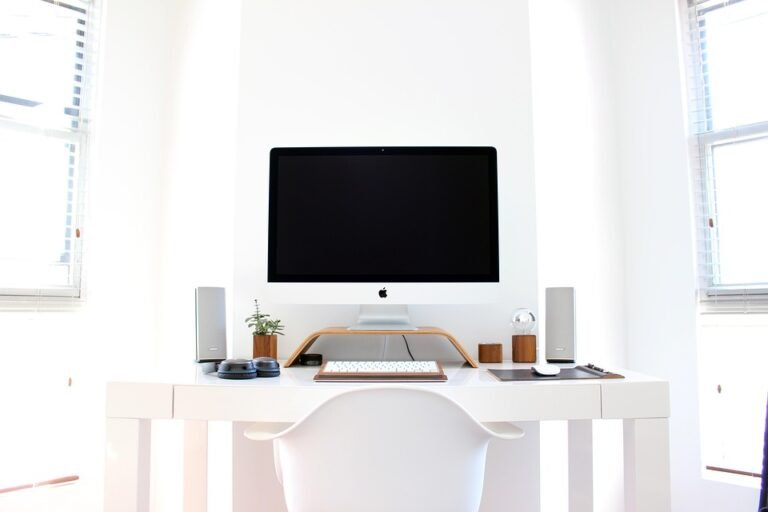
Living in small spaces often presents a unique set of challenges, particularly when it comes to organization. Many homeowners and renters find themselves grappling with limited square footage, which can lead to clutter, frustration, and an overwhelming sense of chaos. However, with the right design strategies and innovative organization solutions, even the tiniest of living areas can be transformed into efficient and stylish environments. This article delves into effective techniques to maximize space and enhance organization in compact homes.
Understanding the Importance of Space Management
Effective space management goes beyond mere aesthetics; it has a profound impact on daily living. When every square inch is thoughtfully utilized, it can elevate functionality and contribute to a harmonious atmosphere. Here are some key reasons to prioritize organized living:
- Enhanced Functionality: A well-organized space allows for smoother daily routines.
- Reduced Stress: Clutter can lead to anxiety. An organized area promotes calmness and focus.
- Increased Property Value: Efficient use of space can enhance the appeal and value of your home when it’s time to sell.
Innovative Design Strategies for Small Spaces
Implementing innovative design strategies can make a significant difference in how a small space feels and functions. Below are some effective techniques.
Opt for Multi-Functional Furniture
Investing in pieces that serve multiple purposes is a game-changer. Multi-functional furniture can help save space and provide more utility. Consider the following:
- Sofa Beds: Ideal for living areas that serve as guest rooms.
- Ottomans with Storage: Perfect for stashing away blankets or books.
- Expandable Dining Tables: Accommodate more guests without sacrificing space.
Utilize Vertical Space
When floor space is at a premium, think vertically. Employing vertical storage solutions can help keep clutter off surfaces:
- Wall-Mounted Shelves: Great for displaying decor or storing books.
- Over-the-Door Organizers: Use the back of doors for extra storage for shoes or cleaning supplies.
- Ceiling-Mounted Racks: Perfect for kitchens or garages to store pots or tools.
Create Zones within Open Spaces
In small, open-concept living areas, defining distinct zones can create the illusion of more space:
- Area Rugs: Use rugs to visually separate different functional areas.
- Furniture Arrangement: Arrange furniture in a way that delineates spaces, such as placing a bookcase between a living room and dining area.
- Light Placement: Use lighting to create ambiance for specific areas, such as a cozy reading nook or a vibrant work area.
Storage Solutions Tailored for Small Areas
Effective storage solutions are essential for maintaining an organized environment. Tailor your storage techniques to fit the available space.
Built-In Storage
Built-in solutions can seamlessly blend into your home, creating a polished look while optimizing space:
- Window Seats: Incorporate built-in seating with storage beneath for blankets or books.
- Under-Stair Storage: Utilize the area under stairs for cabinets or shelves.
- Recessed Shelving: Create shelves that fit into the wall to avoid taking up additional floor space.
Decluttering Techniques
Before implementing new storage, it’s crucial to declutter your existing belongings. Here are some methods to consider:
- The Four-Box Method: Label four boxes as “keep,” “donate,” “sell,” and “trash” to systematically sort your items.
- Seasonal Rotation: Swap out seasonal items to keep only what you regularly use on hand.
- Digital Decluttering: For documents and photos, go digital to eliminate physical copies.
Stylish Organization Techniques
Organization doesn’t have to mean sacrificing style. Combining form and function can make your space feel inviting while staying organized. Here’s how:
Embrace Transparent Storage
Using transparent containers can help you visualize what you have and where it is. This not only aids in organization but also adds an aesthetic element:
- Clear Bins: Store items like toys or seasonal decorations in clear bins to easily identify contents.
- Glass Jars: Use jars for pantry items, adding a rustic charm while keeping things orderly.
- Floating Shelves: Display chic containers or decorative items on floating shelves for both style and function.
Color Coding and Labeling
Consider using a color-coding system for improving organization:
- Storage Bins: Use different colors for different categories (e.g., office supplies, toys, seasonal decor).
- Labels: Clearly label boxes and bins for easy identification. This circumvents unnecessary searching.
Common Mistakes to Avoid
While trying to organize and maximize space, be mindful of these common pitfalls:
- Ignoring Vertical Space: Focusing solely on floor space can lead to missed opportunities for storage.
- Overstuffing Furniture: While multi-functional furniture is essential, overloading it can defeat its purpose.
- Neglecting Aesthetics: Remember that organization can be beautiful. Don’t shy away from making your space visually pleasing.
Final Thoughts
Transforming a small living area into a well-organized, functional space requires creativity, thoughtful planning, and ongoing effort. By implementing innovative design strategies, utilizing vertical space, and selecting the right furniture, you can maximize your environment even in the tightest of quarters. Remember, an organized home not only enhances your quality of life but also fosters a sense of peace and contentment in your living space.
FAQs
What are some budget-friendly ways to organize a small space?
Look for affordable storage solutions such as baskets, boxes, or shelving from thrift stores. DIY projects like building your own shelves or repurposing items can also keep costs down.
How can I make my small living area look bigger?
Use light colors for walls and decor, incorporate mirrors, and choose furniture with legs to create an airy feel. Additionally, keeping the space clutter-free can significantly enhance the perception of space.
Are there specific materials that work better for small spaces?
Yes, lightweight materials such as glass and acrylic can help the space feel less crowded. Additionally, reflective surfaces can amplify light and create a sense of openness.
Should I prioritize aesthetics or functionality in a small space?
While both are important, prioritizing functionality often leads to a more organized environment. A functional space can still be styled beautifully by choosing multifunctional furniture and decorative storage solutions.
How often should I reassess my organization strategies?
It’s beneficial to reassess your organization strategies seasonally or after major lifestyle changes. Regular evaluations help ensure that your systems remain efficient and adapt to your changing needs.