Living in a smaller space can present unique challenges, especially when it comes to furnishing your home. With limited square footage, it’s essential to create a stylish and functional environment that maximizes every inch. The right multi-functional furniture can transform tight quarters into cozy, efficient living areas without compromising on style. This article explores practical strategies for selecting and using multi-functional furniture to enhance your small space.
Understanding Multi-Functional Furniture
Multi-functional furniture serves more than one purpose, making it ideal for small living areas. It can reduce clutter while boosting the room’s aesthetics, allowing you to decorate without overwhelming the space. Here are some common types:
- Convertible sofas: These can transition from a sofa to a bed, making them perfect for hosting guests.
- Storage ottomans: Ideal for keeping items neatly tucked away while providing additional seating or serving as a coffee table.
- Drop-leaf tables: These can expand when needed for dining or working and be compacted when not in use.
Style Meets Functionality
Choosing furniture that combines style with practicality is essential. Aesthetics can enhance the enjoyment of your living space, making it feel more inviting. Consider the following tips:
Choosing a Cohesive Color Palette
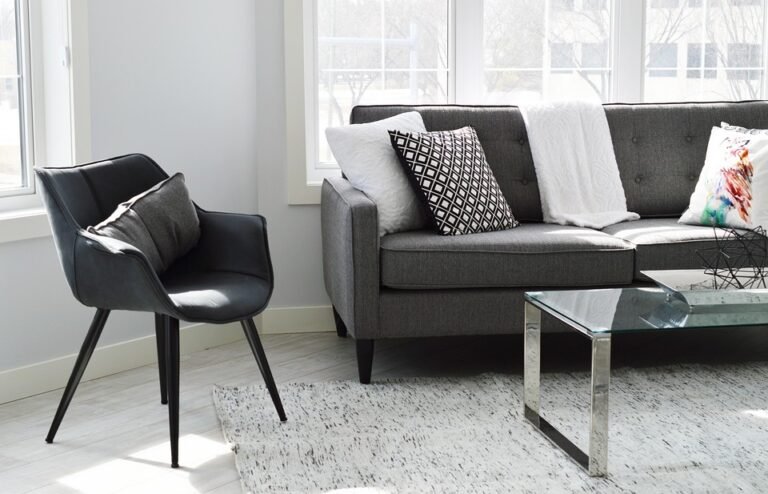
Opting for a consistent color scheme can create visual continuity, making your small space appear larger. Light, neutral colors often work best, reflecting light and creating an airy atmosphere. However, incorporating bolder accents through accessories can add personality without overwhelming the room.
Opting for Multi-Functional Pieces
When shopping for furniture, look for pieces that offer multiple functions:
- Sofa beds: Great for living rooms that may double as guest rooms.
- Murphy beds: These fold up into the wall when not in use, freeing valuable floor space.
- Desks with built-in storage: These provide workspace while also organizing your materials.
Smart Storage Solutions
Storage is a crucial component of any small space. Multi-functional furniture can assist in keeping your home organized:
Incorporating Hidden Storage
Many multi-functional items come with built-in storage. Here are a few examples:
- Bed frames with drawers: These optimize vertical space under the bed for off-season clothing or linens.
- Storage benches: Perfect for entryways, providing seating while hiding shoes or outdoor gear inside.
Using Vertical Space
Make the most of your vertical space with tall bookshelves or wall-mounted shelves. This prevents your floor space from feeling crowded while providing ample storage. Creative solutions may include:
- Installing racks or hooks on walls to hang kitchen tools or bicycles.
- Utilizing high cabinets in the kitchen to store seldom-used appliances above eye level.
Furniture Layout and Arrangement
The layout of your furniture can significantly impact both functionality and flow within the room. Here are some considerations:
Defining Areas with Furniture
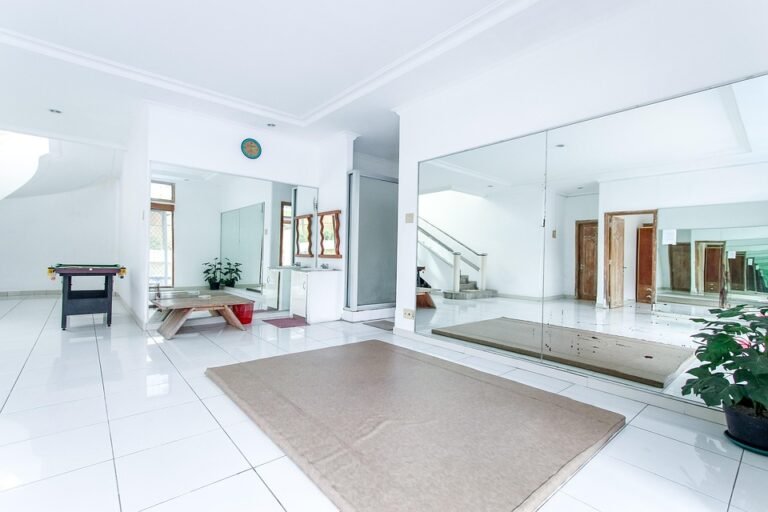
In open-concept spaces, your furniture layout should create distinct areas for different activities, such as lounging, dining, or working. Use rugs to define spaces and ensure that there’s enough room to navigate comfortably.
Choosing Scaled-Down Designs
Furniture that is too large can overwhelm a small space. Look for scaled-down designs that maintain comfort without taking up excessive space. This includes:
- Thin-profile sofas and chairs.
- Round tables that are easier to move and fit more snugly into corners.
Creating a Multi-Use Room
In smaller homes or apartments, various areas may need to serve multiple functions. Here are tips for creating versatile spaces:
Designating a Home Office
With remote work becoming increasingly popular, having a dedicated workspace in your small home is essential. Consider furniture that can hide away when not in use, such as:
- A foldable wall desk that can be tucked away after work hours.
- A stylish bookshelf that doubles as a workstation.
Turning a Living Room into a Guest Room
Utilize a sleeper sofa or a futon that easily converts for overnight guests. Enhance comfort with cozy bedding that complements your décor.
Avoiding Common Mistakes
Even with smart furniture choices, small spaces can still feel cluttered or cramped if certain pitfalls are ignored:
- Overcrowding: Resist the urge to fill every available inch with furniture. Leave some open space to promote a sense of flow.
- Ignoring Scale: Always consider the scale of your furniture in relation to the room size. A few well-chosen pieces can provide comfort and style without overwhelming.
- Focusing Solely on Function: While practicality is vital, never underestimate the importance of aesthetics. Pick pieces that speak to your personal style.
Conclusion
Creating a stylish and functional small space requires thoughtful consideration of furniture choices and layouts. By selecting multi-functional pieces that serve various purposes, you can maximize every square foot without sacrificing style. Remember to prioritize storage, consider scale, and create distinct areas for different activities. With the right approach, even the smallest spaces can be comfortable, welcoming, and aesthetically pleasing.
Frequently Asked Questions
What should I consider when selecting multi-functional furniture?
Look for pieces that fit well with your personal style, provide adequate storage, and serve multiple purposes. Measure your space to ensure the furniture doesn’t overwhelm the room.
How can I make my small living room look bigger?
Use lighter colors on walls and furniture, incorporate mirrors to reflect light, and choose streamlined furniture pieces that don’t take up much space. Avoid clutter to increase openness.
Are there specific materials better suited for small spaces?
Materials that are lightweight but durable, like laminate or metal, can be excellent choices. Consider also transparent materials, like glass or acrylic, which create the illusion of space.
How can I incorporate style while maximizing space?
Use accessories like artwork, plants, and textiles to add personal touches without requiring much room. Choose furniture in colors and textures that reflect your style without overwhelming the space.
Can I create a guest sleeping area in a small apartment?
Absolutely! Consider using a sofa bed or a Murphy bed. Storage ottomans that can be converted into sleepers are also a versatile option.