Introduction
Living in a small space can be both a challenge and an opportunity for creativity. Whether you’re in an apartment, a tiny home, or a compact house, making the most of every square foot is essential for comfort and functionality. Fortunately, there are numerous strategies and design principles you can adopt to transform even the coziest areas into a stylish and organized haven. This article delves into practical ways to optimize small spaces, focusing on interior design, furniture selection, and organization tips tailored for efficiency.
Understanding Space Limitations
The first step in maximizing a small area is understanding its limitations and possibilities. This involves evaluating your current layout and identifying pain points. Consider the following questions:
- What activities take place in this space?
- What furniture is necessary versus decorative?
- Where are the natural light sources?
By answering these questions, you can prioritize what needs to stay and what can go, laying the groundwork for a more functional environment.
Furniture Selection
The right furniture can drastically enhance the usability of a small area. Here are some key considerations:
Multi-Functional Pieces
Look for furniture that serves multiple purposes. For instance:
- Sofa beds: Perfect for accommodating guests without dedicating a full room for sleeping.
- Ottomans with storage: They can provide both extra seating and a place to stow blankets or magazines.
- Folding tables and chairs: Ideal for dining or working, they can be stowed away when not in use.
Scaled Furniture
Choosing the right size of furniture prevents your space from feeling cramped. Go for lighter-colored, sleek designs that don’t overwhelm the room. Here’s how to scale furniture effectively:
- Measure your space and furniture before purchasing to avoid mistakes.
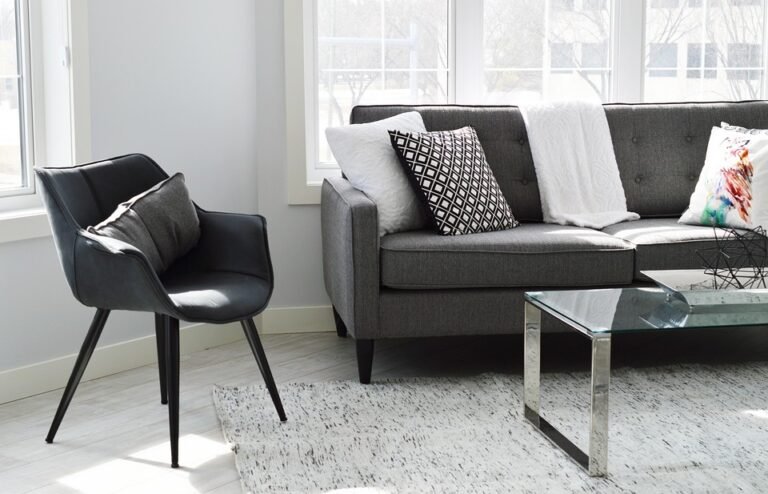
- Use visual tricks, such as transparent materials like glass for tables, to create an illusion of distance.
Vertical Storage Solutions
In a small home, floor space is often limited, so vertical storage becomes crucial. This can be achieved through:
- Wall-mounted shelves: They draw the eye upward and free up floor space.
- Hanging organizers: Perfect for kitchens and bathrooms, they help keep items organized and accessible.
Smart Layout Strategies
How you arrange your furniture can dramatically change the feel of a room. Here are some strategic layout tips:
Create Zones
Even in a small area, it’s possible to create distinct zones for different activities. Consider open or semi-open arrangements that separate living, dining, and sleeping areas while maintaining flow. Use rugs or furniture placement to define these zones without needing walls.
Prioritize Flow
Avoid cluttered pathways by ensuring there’s enough room for movement between furniture. An average of 24 to 36 inches is recommended for walkways, particularly in high-traffic areas like the kitchen or living room.
Use Mirrors Wisely
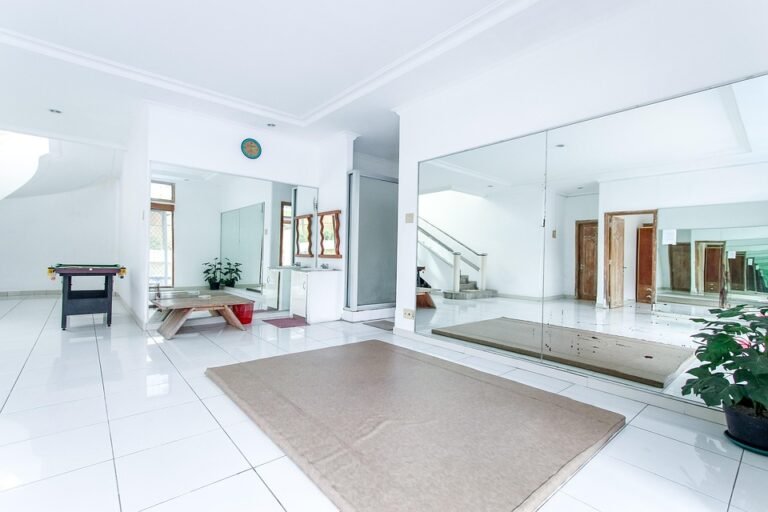
Mirrors are not only decorative but can also create the illusion of more space. Place them opposite windows to reflect light and create a brighter, airier feel without investing in construction.
Organization Essentials
Efficient organization is key to achieving functionality in a small space. Here’s how to maintain order:
Declutter Regularly
Regular decluttering helps prevent accumulation, which can quickly make a small area feel even tighter. Here are some efficient decluttering strategies:
- Adopt the one-in, one-out rule: For every new item brought in, let go of an old one.
- Donate or sell unnecessary items: Keep only what you need and love.
- Seasonal reviews: At least twice a year, assess your belongings and adjust as necessary.
Efficient Use of Cabinets and Drawers
Make the most out of your cabinetry by using organizers. Consider the following:
- Drawer dividers: They keep utensils or office supplies organized.
- Under-shelf baskets: These maximize vertical space in cabinets.
Color and Light
The choice of color can drastically impact how spacious a room feels. Lighter shades expand the visual space, while darker colors can make a room feel cozier and more intimate.
- Go for soft pastels or whites to enhance light reflection.
- Add pops of color through accessories to keep the space lively and personalized.
DIY and Personal Touches
Adding personal touches to your space can enhance its uniqueness while making it feel like home. Here are a few DIY ideas:
Smart DIY Storage Solutions
Consider building your own storage solutions to fit your needs. Some inspiring projects include:
- Custom shelving: Tailor your shelves to fit specific items or spaces.
- Hidden compartments: Design furniture pieces with hidden storage areas for personal effects.
Creative Décor Choices
Decorating your small space doesn’t mean you have to skimp on style. A few creative ways to add flair include:
- Gallery walls: Use photos and artwork to make a personal statement.
- Unique lighting fixtures: Opt for interesting lamps or chandeliers that double as statement pieces.
Outdoor Spaces: Extending Living Areas
If you have access to an outdoor area, it can serve as an extension of your living space. Consider the following enhancements:
Utilize Vertical Gardening Techniques
For those who relish nature but are short on ground space, vertical gardening can be an exciting option. This can include:
- Wall-mounted planters
- Hanging pots or trellises for climbing plants
Create Outdoor Living Zones
Designate sections for dining, lounging, or entertaining in your outdoor space to maximize its use, similar to how you would indoors. Compact furniture sets can set the mood for dining alfresco or casual get-togethers.
Conclusion
Transforming a small space into a functional and aesthetically pleasing environment is an achievable goal with the right strategies. By understanding your space, choosing the right furniture, organizing effectively, and adding personal touches, you can create a living area that feels spacious and inviting. Remember, the key lies in making thoughtful choices that enhance flow, light, and personal style.
FAQs
How can I make a small space feel larger?
Incorporating mirrors, using lighter color palettes, and opting for multi-functional furniture can significantly enhance the perception of space.
What are some space-saving furniture options?
Look for sofa beds, extendable dining tables, and ottomans with hidden storage to optimize small spaces effectively.
How do I choose the right lighting for a small area?
In small spaces, consider layered lighting. Use ceiling lights supplemented by table lamps and wall sconces to provide adequate illumination and depth.
What organization tips can help keep small spaces tidy?
Utilize drawer organizers, vertical storage, and regular decluttering sessions to maintain order and efficiency in your small space.
Can decorative items in small spaces be functional?
Absolutely! Items such as stylish baskets, artful wall hooks, and decorative storage boxes can enhance your décor while providing utility.