Addressing plumbing issues at home can seem daunting, especially for those who may not have much experience in home maintenance. However, understanding how to tackle basic plumbing repairs can not only save you a considerable amount of money but also empower you to manage your household more effectively. In this guide, you’ll find essential strategies for navigating DIY plumbing projects with confidence and skill.
Understanding Your Plumbing System
Before diving into repairs, it’s vital to familiarize yourself with the components of your plumbing system. Most home plumbing consists of:
- Pipes: Transport water to and from various fixtures.
- Fittings and Connectors: Join pipes and facilitate bends in the plumbing layout.
- Fixtures: Include sinks, toilets, and bathtubs where water is accessed.
- Water Heater: Provides hot water throughout your home.
- Sewer System: Drains waste and used water from your home.
Understanding these components will help you assess issues more accurately and choose the right repair methods.
Identifying the Problem
Every plumbing issue has symptoms that can help you diagnose the problem effectively. Here are a few common issues homeowners may encounter:
Leaking Pipes
Leaking pipes can cause significant water damage and increase your water bill. Look for:
- Water stains on walls or ceilings
- Mold or mildew around fixtures
- Puddles of water on the floor
Clogged Drains
Pooling water in sinks is often a sign of clogs. Be cautious with:
- Slow drainage
- Unusual odours
- Frequent backups
Running Toilet
A toilet that won’t stop running can waste a lot of water. Indicators include:
- Water continuously flowing into the bowl
- High water bills
- Strange noises from the toilet tank
Gathering Your Tools and Materials
Having the right tools on hand can make any plumbing repair smoother. Consider the following essentials:
- Pliers: Useful for turning and gripping
- Wrenches: Essential for tightening fittings
- Screwdrivers: Required for loosening screws
- Plumber’s Tape: Helps to seal threaded joints
- Drain Clog Remover: Necessary for addressing slow or clogged drains
- PVC Pipe Cutter: Ideal for cutting pipes cleanly
In addition to tools, you’ll need materials relevant to your specific repair, like plumbing putty, new washers, or sections of pipe.
Safety First
Before starting any repair, prioritize safety. Here are critical steps:
- Turn off the main water supply to avoid flooding and water wastage.
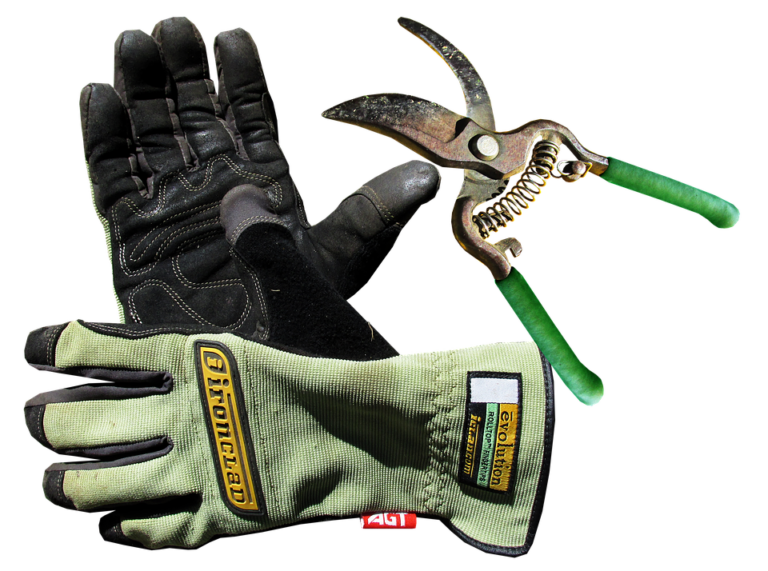
- Use safety glasses and gloves to protect yourself from water and debris.
- Have a bucket or towel nearby to catch any water that may leak.
Performing Common Repairs
Understanding how to handle specific plumbing repairs can alleviate issues in your home effectively.
Fixing a Leak
A leaking pipe can often be repaired with just a few tools. Here’s how:
- Identify the leak location.
- Turn off the water supply to the affected area.
- Remove the damaged section of the pipe using a pipe cutter.
- Replace it with a new piece and use plumber’s tape around the joints to ensure a tight seal.
- Turn the water back on and check for leaks.
Clearing a Clogged Drain
Clogs can often be managed using household items:
- Identify the source of the clog.
- Use a plunger for minor clogs; ensure it forms a proper seal.
- If necessary, use a drain snake to remove deeper blockages.
- Pour a mixture of baking soda and vinegar down the drain to help clear residual grime.
- Follow with hot water to flush everything through.
Repairing a Running Toilet
This common nuisance is usually due to a faulty flapper valve:
- Turn off the water supply to the toilet.
- Remove the tank lid and inspect the flapper valve.
- If it’s worn or not sealing correctly, replace it.
- Adjust the chain and ensure everything is tightened properly.
- Turn the water back on and check for leaks.
When to Call a Professional
While DIY repairs can be empowering and cost-effective, there are circumstances where it’s best to leave things to the professionals:
- Extensive plumbing systems with major leaks
- Electrical components associated with water heaters
- Severe blockages that don’t respond to clearing efforts
- Uncertainties about local building codes or regulations
Common Mistakes to Avoid
Undertaking plumbing repairs can be rewarding, but there are pitfalls to watch for:
- Neglecting to turn off the water supply before starting a repair.
- Using excessive force when tightening fittings, leading to cracks.
- Overlooking local building codes that may dictate specific installation standards.
- Failing to take accurate measurements before cutting or purchasing new materials.
- Ignoring signs of existing plumbing issues that may require attention.
Conclusion
Successfully completing a DIY plumbing repair can be a satisfying accomplishment that enhances your home’s functionality and saves you money. By understanding your plumbing system, gathering the right tools, and executing repairs safely and skillfully, you can navigate many common plumbing issues. However, always recognize your skill level and know when it’s best to consult a professional. Empower yourself further by continually learning about home maintenance, and your confidence will grow with every new challenge you tackle.
Frequently Asked Questions
What are the most common plumbing problems homeowners face?
Common issues include leaking pipes, clogged drains, faulty water heaters, and running toilets. Regular maintenance can help prevent many of these problems.
Is it safe to attempt plumbing repairs without professional experience?
For minor issues, DIY repairs can be safe if you follow guidelines and precautionary measures. However, for complex problems or if you’re unsure, it’s advisable to call a plumber.
What tools are essential for DIY plumbing repairs?
Essential tools include pliers, wrenches, screwdrivers, plumber’s tape, a drain clog remover, and a PVC pipe cutter. Having a good selection on hand will prepare you for various repairs.
Can I use chemical drain cleaners for clogs?
While chemical drain cleaners can be effective, they may damage pipes and are not environmentally friendly. It’s advisable to try mechanical methods first, such as plungers or drain snakes.
How do I prevent plumbing issues in my home?
Regular inspections, proper disposal of waste, being mindful about what goes down drains, and maintaining fixtures can significantly reduce the likelihood of plumbing problems.