Every homeowner dreams of creating a space that not only looks aesthetically pleasing but also reflects their personal style and meets functional needs. For those new to home improvement, the prospect of renovating or sprucing up a space can seem daunting. However, many projects require minimal experience while offering substantial results. This article delves into various beginner-friendly projects that can help you transform your living environment into a stylish and functional haven. Whether you want to enhance your interior aesthetic or embark on outdoor upgrades, there’s something here for everyone.
Refreshing Indoor Spaces
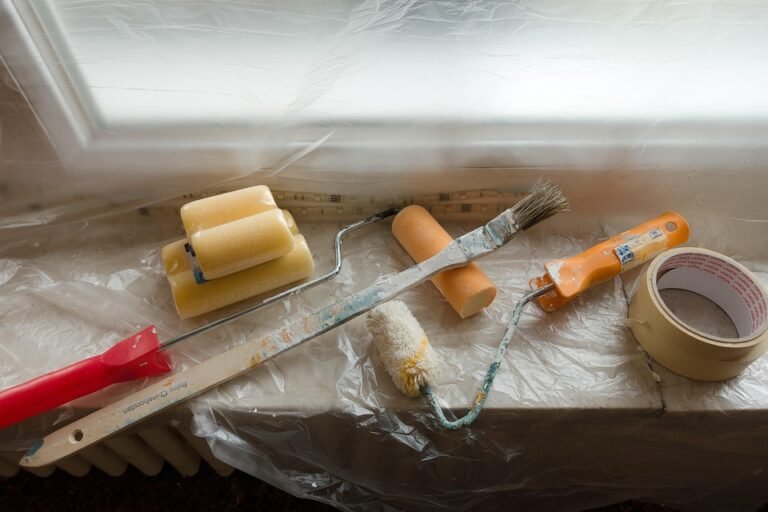
Applying a Fresh Coat of Paint
One of the most effective transformations you can make is to repaint a room. A fresh coat of paint can dramatically alter the ambiance and perception of space.
Benefits:
- Cost-Effective: Paint is relatively inexpensive and can cover a large area.
- Variety: With countless colors and finishes, your options are limitless.
- DIY-Friendly: Most homeowners can handle painting with minimal mess.
Common Pitfalls:
- Skipping surface preparation can lead to peeling.
- Choosing too dark a color may make rooms feel smaller.
Upgrading Hardware in Kitchen and Bathroom
Swapping out old knobs, handles, and faucets can give these critical spaces a modern flair with minimal effort.
Pros:
- Inexpensive upgrade.
- Instant aesthetic boost.
Considerations:
- Ensure new hardware matches existing holes.
- Consider materials that resist rust and wear.
Transforming Your Living Spaces
Rearranging Furniture for Better Flow
Sometimes, all it takes to rejuvenate a room is simply rearranging the furniture. Consider the existing layout and how people move through the space.
Tips:
- Identify focal points, like a fireplace or TV. Arrange furniture around these features.
- Leave enough room for walkways; typically, 24-36 inches for easy movement.
Adding Decorative Pillows and Throws
Soft furnishings can add texture and warmth to a room without breaking the bank.
Considerations:
- Mix and match colors, patterns, and fabrics for a dynamic look.
- Switch out with the seasons to keep the style fresh.
Outdoor Enhancements
Creating a Relaxing Garden Space
Forging a serene garden isn’t just for seasoned horticulturists. You can easily create a space for relaxation and entertainment.
Steps to Consider:
- Begin with low-maintenance plants, like succulents or hardy perennials.
- Add a bench or seating area—bonus points if it’s under a shaded tree.
Building a Simple Fire Pit
Fire pits offer excellent spots for social gatherings and can be relatively simple to construct.
- Materials: Stone pavers or fire bricks can create the base.
- Safety: Ensure it’s a safe distance from flammable materials.
Organizational Improvements
Decluttering Spaces
A neat space automatically feels larger and more inviting. Begin by tackling one room or area at a time.
Practical Steps:
- Sort items into keep, donate, and discard categories.
- Use storage bins or boxes to organize items you keep.
Creating Custom Storage Solutions
With some basic tools, you can create shelves and storage solutions tailored to your needs.
Ideas:
- Floating shelves can add storage without taking up floor space.
- Use under-bed storage boxes to maximize hidden spaces.
Enhancing Curb Appeal
Updating Your Front Door
Your front door sets the tone for your home. A fresh paint job or new hardware can revitalize it.
Improvement Ideas:
- Consider adding a small outdoor mat that complements the door.
- Enhance with potted plants for color and vibrancy.
Landscaping Basics
Improving your yard doesn’t have to mean complex gardening or hours of hard labor. Simple additions can yield great results.
Quick Enhancements:
- Plant annual flowers for seasonal color.
- Add mulch to flower beds for a polished appearance.
Cleaning and Maintenance Tasks
Regular Cleaning Routines
A clean home is a happy one. Establishing and maintaining cleaning routines can make a significant difference.
Essential Tasks:
- Dust surfaces weekly to prevent build-up.
- Vacuum and mop high-traffic areas regularly.
Basic Repairs
Take on minor repairs, such as fixing leaky faucets or squeaky doors, to maintain your home’s integrity.
Tips:
- Watch online tutorials for guidance before starting.
- Keep basic repair tools handy, like wrenches and screwdrivers.
Final Thoughts
Home improvement doesn’t require you to be an expert or have boundless resources. By starting with smaller, manageable projects, you can progressively enhance your living space and cultivate a sense of pride in your home. As you gain confidence from each completed task, you might find yourself eager to tackle even larger projects down the line.
Frequently Asked Questions
What should I consider before starting a home improvement project?
Consider your budget, skill level, and the time you can commit to the project. Ensure the project aligns with your overall objectives for your home.
Are there seasonal considerations for home improvement projects?
Yes, certain projects are best suited for specific seasons. For instance, outdoor projects are often more feasible in spring and summer, while interior updates can be done year-round.
How can I find inspiration for my home improvement projects?
Look at home design magazines, websites, DIY podcasts, and even social media platforms like Pinterest and Instagram for creative ideas and inspiration.
Do I need a permit for minor home improvement projects?
Permitting requirements vary by location and project type. It’s always a good idea to check local regulations before starting.
Can I tackle home improvement projects alone, or should I hire professionals?
Many beginner-friendly projects can be done alone, especially with online tutorials for guidance. For more complex tasks, consider hiring professionals for safety and quality assurance.