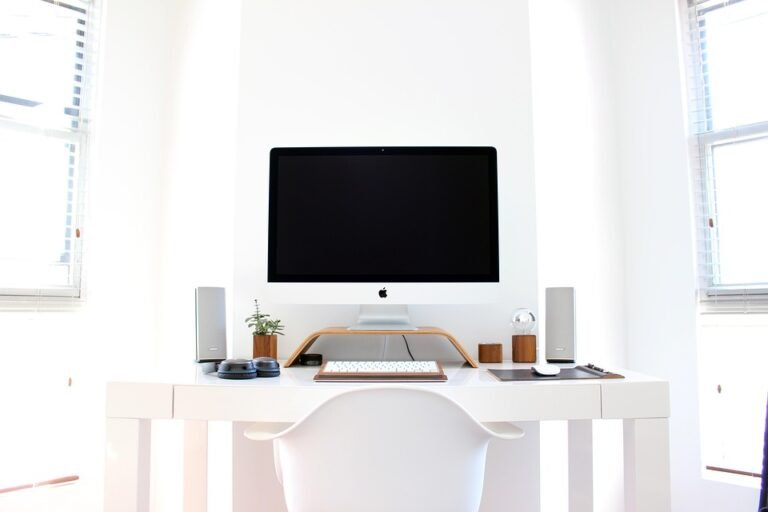
Creating a living space that feels both cozy and stylish can transform your home into a sanctuary. Whether you’re looking to redecorate an entire room or simply refresh your existing decor, understanding the key elements of interior design can help you craft a space that is not only beautiful but also warm and inviting. This article will guide you through essential considerations, practical tips, and inspiring ideas to achieve the perfect balance between comfort and aesthetics.
Understanding Your Style
Before diving into the world of decor, it’s important to identify your personal style. This will provide a cohesive foundation for your living space. Consider the following aspects when determining your style:
Inspirations and Observations
- Visual Exploration: Browse through magazines, design blogs, and Pinterest boards to gather inspirations.
- Color Preferences: Take note of shades and patterns that appeal to you. Are you drawn to earthy tones or vibrant colors?
- Favorite Furnishings: Do you prefer modern, traditional, or eclectic pieces? Identify what resonates with you.
Creating a Mood Board
A mood board is an excellent way to visualize your ideas. Collect images, fabric swatches, paint samples, and any other items that reflect your desired aesthetic. Tools like Canva or even a physical board can help you organize your thoughts and create a clear vision for your space.
Choosing the Right Color Palette
The colors you choose have a significant impact on the overall feel of your space. Here are some considerations when selecting a color palette:
Understanding Color Psychology
Colors can evoke emotions and influence atmospheres. Here’s a quick overview:
- Warm Colors: Shades like red, orange, and yellow tend to create a vibrant and energetic environment.
- Cool Colors: Blues, greens, and purples can induce tranquility and relaxation.
- Neutral Colors: Whites, grays, and beiges offer versatility and can serve as backdrops for bolder accents.
Balancing Colors
A well-balanced color scheme often consists of a combination of base, accent, and secondary colors. Consider using:
- Base Colors: Use neutrals for larger areas like walls.
- Accent Colors: Incorporate bolder shades in cushions, artwork, and décor items.
- Secondary Colors: Include additional shades that complement your base and accent colors to add depth.
Furniture Selection and Arrangement
The right furniture can dramatically enhance both comfort and style. Here are some tips on how to approach furniture selection and arrangement:
Scale and Proportion
Consider the size of your room when selecting furniture. Overly large pieces can make a space feel cramped, while too-small items may get lost in a vast area. Aim for:
- 20-30%: Leave open space between furniture for flow and ease of movement.
- Functional Zones: Create defined areas for various activities, such as conversation, relaxation, and entertainment.
Mixing Styles
Don’t be afraid to mix different styles to add character. Combining vintage finds with modern pieces can create an inviting, layered look. Consider these points:
- Consistency in Color: Maintain a color theme to unify the diverse styles.
- Similar Materials: Use complementary materials to ensure a cohesive feel. For example, pair wood with soft textiles.
Textiles and Accessories
Textiles play a key role in enhancing both comfort and visual interest. Thoughtful choices can easily elevate your living space:
Layering Textures
Incorporating various textures adds depth and intrigue. Think about using:
- Soft Fabrics: Cushions, throws, and rugs can make a space cozier.
- Natural Elements: Wood, plants, and woven materials introduce warmth and connection to nature.
Curating Accessories
Accessories are the finishing touches that reflect your personality. Consider:
- Art Pieces: Invest in artwork that resonates with you and fits your color palette.
- Personal Mementos: Incorporate items that tell your story, such as travel souvenirs or family photos.
Lighting: The Unsung Hero
Lighting can make or break the ambiance of your living space. Here are some key aspects to consider:
Layered Lighting
Employ a combination of ambient, task, and accent lighting to create a well-lit and versatile environment. Examples include:
- Ambient Lighting: Use ceiling fixtures or recessed lighting for general illumination.
- Task Lighting: Include table lamps or adjustable lighting for reading or work areas.
- Accent Lighting: Highlight specific décor pieces with spotlights or wall sconces.
Natural Light Enhancement
Maximize natural light by:
- Using Sheer Curtains: Allow light to filter in while still providing privacy.
- Strategic Mirror Placement: Use mirrors to reflect light and make a room feel larger.
Creating a Warm Atmosphere
To ensure your living space feels truly cozy, focus on the sensory experience. Here are some tips to consider:
Inviting Scents
Odors have a significant impact on how we feel in a space. Consider using:
- Scented Candles: Choose calming scents like lavender or warming notes like vanilla.
- Essential Oils: Diffuse oils like eucalyptus or citrus to energize your space.
Comfort Elements
Incorporate comfortable elements such as:
- Comfy Seating: Choose seating that supports relaxation.
- Soft Lighting: Adjustable lamps and dimmers can customize the atmosphere.
Final Touches and Personalization
Once your space is set up, take the time to personalize it with finishing touches. Consider incorporating:
- Seasonal Decor: Embrace the seasons with wreaths, cushions, or bowls of seasonal produce.
- Unique Finds: Shop local or thrift for one-of-a-kind items that add character.
Conclusion
Creating a living space that reflects both style and comfort is a rewarding endeavor that enhances your home life. By understanding your style, choosing the right colors and furniture, integrating textiles and lighting, and adding personal touches, you can craft a cozy sanctuary that you’ll love. Remember, the key lies in balancing aesthetics with comfort, ensuring that your space feels inviting and stylish at the same time.
FAQs
What are some popular interior design styles to consider?
Popular styles include modern, rustic, bohemian, Scandinavian, and industrial, each offering unique characteristics that can influence your decor choices.
How can I make a small living space feel cozy?
Utilize light colors, multi-functional furniture, mirrors, and soft textiles. Creating distinct zones can also help define spaces without cluttering them.
What is the best way to choose lighting for my living space?
A layered approach is best, combining ambient, task, and accent lighting, while considering the purpose of each area in the room.
How can I add texture to my living area?
Incorporate various materials such as rugs, throws, woven baskets, and different fabrics in cushions to create an inviting, textured environment.
What are affordable ways to personalize my living space?
Consider DIY projects using thrifted items, photographs, or art. Personal mementos placed thoughtfully can also add a unique touch without breaking the bank.