As homeowners increasingly seek ways to make their living spaces more sustainable, eco-friendly upgrades have become more accessible and innovative. By integrating green solutions, you can enhance the comfort of your home while minimizing your environmental impact. This article explores various approaches to making your home greener, from energy-efficient upgrades to sustainable landscaping practices.
Energy-Efficient Improvements
Energy-efficient upgrades not only contribute to a reduced carbon footprint but also lead to lower utility bills. Making your home more energy-efficient is a win-win for your wallet and the environment.
Insulation Enhancements
Proper insulation is vital for maintaining a comfortable temperature indoors, regardless of the season. Consider the following upgrades:
- Attic and Wall Insulation: Upgrading to high-quality insulation materials, such as spray foam or cellulose, can significantly reduce heat loss.
- Basement Insulation: Insulating your basement can prevent heat loss and moisture issues, enhancing the overall energy efficiency of your home.
- Windows and Doors: Installing double- or triple-glazed windows and energy-efficient doors will prevent drafts and keep your home temperature stable.
Smart Thermostats
Smart thermostats, like the Nest or Ecobee, allow you to automate your heating and cooling systems based on your schedule. Key benefits include:
- Remote Control: Adjust your home’s temperature from your smartphone, even when you’re not at home.
- Energy Reports: Receive monthly reports that illustrate your energy usage patterns, helping you identify opportunities for savings.
Water Conservation Techniques
Water waste is often overlooked, yet there are numerous ways to conserve water and promote sustainability.
Low-Flow Fixtures
Installing low-flow toilets and showerheads can significantly reduce water consumption without sacrificing performance. Consider the following:
- Low-Flow Showerheads: These can reduce water usage by up to 50%, all while maintaining strong water pressure.
- Dual-Flush Toilets: These toilets offer two flush options: one for liquid waste and another for solid waste, effectively saving up to 68% water compared to traditional toilets.
Rainwater Harvesting Systems
Implementing a rainwater harvesting system can provide valuable water for your garden. It involves:
- Collecting Rainwater: Install a rain barrel to capture rainwater from your roof. This resource can be used for watering plants or gardens.
- Filtration System: A basic filtration system will ensure the water collected is safe for non-potable uses.
Sustainable Materials and Furniture
When renovating or updating furniture, opting for sustainable materials makes a significant difference.
Reclaimed Wood and Bamboo
Choose materials that are both renewable and environmentally friendly:
- Reclaimed Wood: Utilizing reclaimed wood for furniture or flooring reduces the demand for new lumber, preserving forests and the associated biodiversity.
- Bamboo Products: Bamboo grows rapidly and reaches maturity in about five years, making it a sustainable alternative to traditional hardwoods.
Natural Paints and Finishes
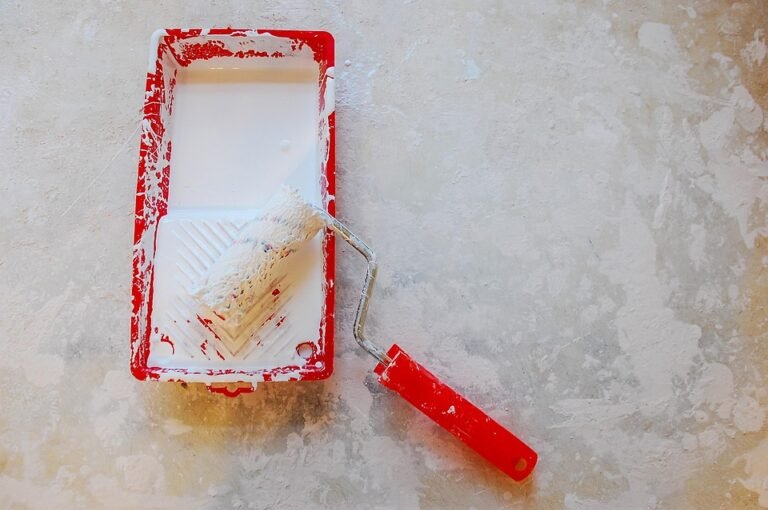
Standard paints often contains harmful VOCs (volatile organic compounds) that can negatively impact indoor air quality. Instead, consider:
- Low-VOC or No-VOC Paints: These products help maintain healthier indoor air quality.
- Naturally Derived Stains: Look for finishes made from natural ingredients that provide color without the chemical burdens.
Smart Home Technologies
Incorporating technologies that promote efficiency is a modern take on sustainability. Smart home systems can streamline energy use and enhance convenience.
Smart Lighting Systems
Upgrading to LED lights and smart lighting systems can dramatically reduce energy consumption:
- LED Bulbs: They use less energy and have a longer lifespan compared to traditional incandescent bulbs.
- Smart Sensors: Motion sensors or smart switches can help turn lights off automatically when rooms are unoccupied.
Home Energy Monitor
Consider installing a home energy monitor to track your energy usage in real-time. This can provide insights that help you adjust your habits and reduce waste.
Landscaping and Exterior Upgrades
Beyond your home’s interior, your landscape can be optimized for sustainability as well.
Xeriscaping
Xeriscaping involves designing landscapes to reduce the need for irrigation, focusing on drought-resistant plants:
- Selecting Native Plants: Native flora requires less water and provides natural habitat for local wildlife.
- Mulching: Applying mulch around plants helps retain soil moisture and suppress weeds.
Green Roofs and Walls
Consider adding a green roof or vertical garden to your home as a unique and beneficial upgrade:
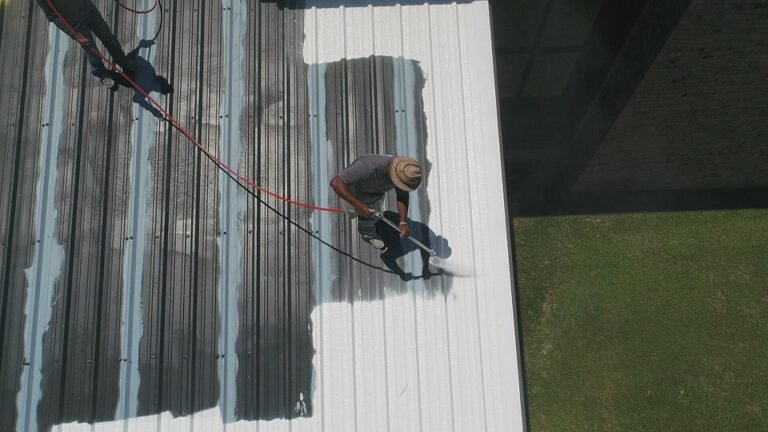
- Green Roofs: Planting vegetation on rooftops can improve insulation, reduce urban heat, and manage rainwater runoff.
- Vertical Gardens: These can beautify your exterior while also helping with air quality and insulation.
Eco-Friendly Cleaning Products
Switching to eco-friendly cleaning options can greatly enhance the sustainability of your home.
Homemade Cleaners
Many effective cleaners can be made using natural ingredients:
- Vinegar and Baking Soda: These can be combined for an excellent all-purpose cleaner and deodorizer.
- Citrus-Based Cleaners: Citrus peels infused in vinegar create a refreshing and effective cleaning solution.
Non-Toxic Store-Bought Cleaners
If making your own products isn’t appealing, look for brands that are certified organic or labeled as non-toxic. Avoid those with artificial fragrances or harsh chemicals.
Conclusion
Upgrading your home to be more eco-friendly involves a combination of innovative solutions and practical implementations. Whether it’s enhancing your energy efficiency, conserving water, choosing sustainable materials, or adopting technology, each effort contributes to a greener future. By prioritizing sustainable methods in your living space, you not only enrich your home but also inspire others to consider these practices in their own lives.
FAQ
What are some low-cost eco-friendly upgrades?
Some cost-effective options include installing low-flow faucets, using energy-efficient LED bulbs, and making your own cleaning products with ingredients like vinegar and baking soda.
How can I make my home more energy-efficient without major renovations?
Simple changes like sealing drafts around windows and doors, using smart power strips, and regularly maintaining your HVAC system can significantly improve your home’s efficiency.
What is the easiest way to start implementing eco-friendly practices in my home?
Begin by identifying small daily habits to change, such as reducing single-use plastics, keeping lights off when not in use, or starting a compost pile for kitchen waste.
Are there tax credits available for making energy-efficient upgrades?
Many regions offer tax credits and incentives for energy-efficient home improvements. Check with your local governmental agency or consult a tax professional for specific options available in your area.
Can eco-friendly improvements really save me money over time?
Yes, while some initial investments may seem high, energy-efficient appliances and systems typically result in significant savings on utility bills, making them cost-effective in the long run.