For homeowners with limited outdoor space, transforming a small garden into a beautiful yet functional sanctuary can feel like a daunting task. However, innovatively maximizing every inch of your garden can create a serene escape right outside your door. This guide offers practical insights and creative ideas to help you reimagine your small garden, turning it into a lush haven that enhances both aesthetics and usability.
Vertical Gardening: Expand Upwards
Utilizing vertical space is one of the most effective strategies in small gardens. By moving plants up instead of out, you can not only save ground space but also create visual interest.
Types of Vertical Gardens
- Wall Planters: Use trellises or wall-mounted pots to support climbing plants.
- Vertical Frames: Construct or purchase frames to hold multiple pots or planters.
- Pocket Gardens: Employ fabric pockets attached to a wall for a unique herb or flower display.
Benefits and Considerations
Vertical gardening allows for easier maintenance and can significantly enhance the appearance of your garden. Be cautious, however, of water drainage, as wall-mounted systems must have effective setups to avoid damage.
Container Gardens: Curb Appeal and Flexibility
Container gardening provides an excellent opportunity for small spaces. It allows you to grow a variety of plants in a flexible, movable format.
Choosing the Right Containers
Select containers that complement your home’s aesthetic and are appropriate for the plants you want to grow.
- Materials: Consider ceramics, metals, and biodegradable pots.
- Size: Ensure pots are large enough for root growth but manageable for moving.
Mixing Styles
Combine various container sizes and styles to create an inviting visual appeal. Use different plant heights and textures to add dimension.
Layered Planting: Creating Depth
Utilizing layers in planting not only helps maximize space but also adds depth and visual richness.
How to Layer
Arrange plants in a tiered design, placing taller plants at the back and shorter ones in the front. This approach works well in both beds and borders.
Balancing Color and Texture
Choose plants with varied foliage colors and textures to create a dynamic landscape. For example, mix soft ferns with vibrant flowering plants.
Functional Decor: Beautifying While Serving a Purpose
In a small garden, combining aesthetics with functionality can optimize space without compromising beauty.
Examples of Functional Decor
- Garden Benches: Use benches that can double as storage units.
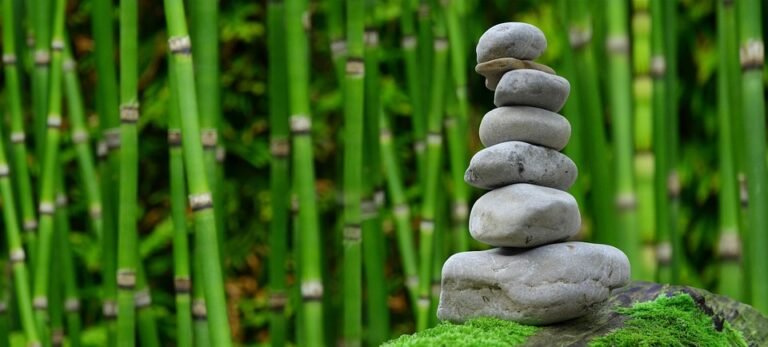
- Herb Spiral: Construct a spiral of stones to create a multi-level herb garden.
- Boulder Seating: Use large rocks for seating areas that also serve as garden accents.
Advantages and Disadvantages
While merging beauty and function may save space, be mindful that some functional pieces may require regular maintenance.
Vertical Water Features: Enhance Ambiance
Water features can create a peaceful atmosphere in any outdoor space. In smaller gardens, vertical or slim water features can make a big impact without taking up much ground space.
Options to Consider
Look into slimline fountains that can be mounted on a wall or corner water walls that blend beautifully with plant life.
Maintenance Tips
Regularly clean and check water quality to keep the feature inviting and functional.
Shade Solutions: Creating Comfort
Small gardens can suffer from harsh sun exposure, making shaded areas essential for comfort and plant health. Consider adding creative shade solutions.
Building a Canopy
Designing a lightweight, freestanding canopy or using shade sails can provide relief without overwhelming the small space.
Natural Shade Options
Planting tall trees or large shrubs strategically can also provide shade over time while enhancing privacy and beauty.
Outdoor Lighting: Extending Usability
Proper lighting allows you to enjoy your garden even after dusk. Incorporating a variety of light sources can greatly enhance your garden’s ambiance.
Types of Outdoor Lighting
- Solar Lights: Easy to install and eco-friendly, solar lighting can line pathways or highlight plants.
- String Lights: Drape string lights over seating areas or around trees for a cozy feel.
- Spotlights: Use them to emphasize particular features or plants in your garden.
Considerations for Placement
Think about how the light will interact with plant growth and the overall design of your space, ensuring illumination connects your design elements harmoniously.
Wildlife-Friendly Spaces: Embracing Nature
Creating a welcoming environment for local wildlife can add life and movement to your garden while enhancing biodiversity.
Attracting Pollinators
Incorporate a variety of native plants, nectar-rich flowers, and even a small water source to attract bees, butterflies, and hummingbirds.
Creating Shelter
Provide a small hedge or an insect hotel to offer refuge for beneficial insects—all while adding character to your outdoor spaces.
Using Color Wisely: Creating Illusions
Color can significantly influence perceptions of space and size. Using color strategically can make your garden feel larger and more inviting.
Color Schemes to Consider
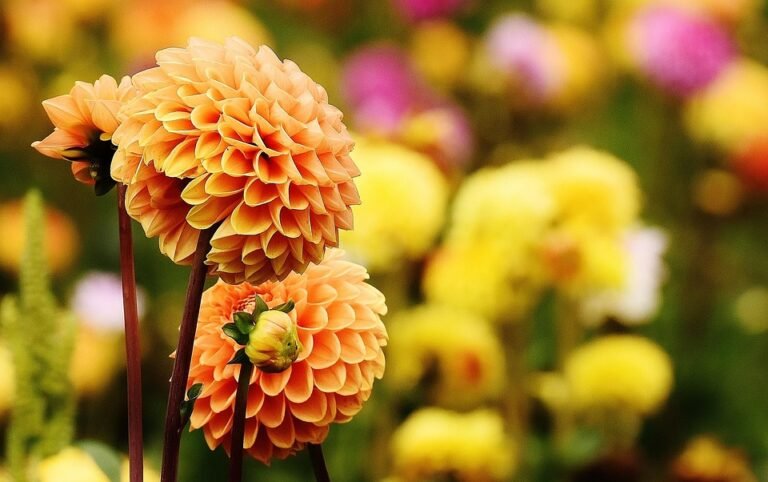
Opt for light colors to create a sense of openness. Bright or dark colors can draw the eye and create focal points in smaller gardens.
Plant Grouping
Group plants with similar colors for a harmonious appearance, or create contrast to draw attention to specific areas.
Conclusion
Transforming a small garden into a vibrant retreat is entirely achievable with creativity and thoughtful planning. Whether incorporating vertical elements, layering plants, or maximizing functionality, every detail can bring your outdoor vision to life. By making practical choices that consider both form and function, you can create a small garden sanctuary that both serves your needs and delights the senses.
FAQs
What are some low-maintenance plants for small gardens?
Consider hardy succulents, lavender, or ornamental grasses, as they require little upkeep while providing beauty.
How can I make my small garden appear larger?
Use lighter colors for your plants, incorporate mirrors, and utilize vertical space to create an illusion of depth and openness.
What are the best materials for container gardening?
Clay, fiberglass, and recycled materials are good options. Choose based on aesthetics and what will complement your existing decor.
Can I grow vegetables in a small garden?
Absolutely! Plants like cherry tomatoes, lettuce, and herbs thrive in small spaces, especially in vertical or container setups.