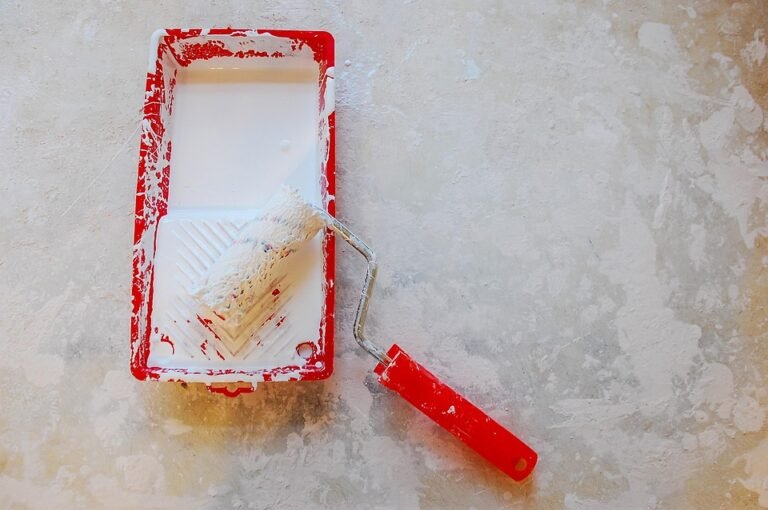
Planning a home renovation can feel overwhelming, especially when you know it will significantly impact your living space for years to come. Proper planning is essential to ensure a smooth process while also optimizing the end result. This guide aims to break down effective strategies for homeowners looking to undertake renovations, providing practical steps to help you avoid common pitfalls and achieve your design vision.
Define Your Goals and Objectives
The first step in any renovation project is to clearly define what you hope to achieve. Consider the following:
Identify the Purpose
Is your renovation aimed at increasing property value, enhancing comfort, or improving energy efficiency? Understanding your primary motivation will guide your decisions throughout the process.
Establish a Timeline
Deciding on a timeline is crucial. Consider how long you can live without certain spaces, like your kitchen or bathroom. A well-defined timeline helps in coordinating contractor schedules and managing expectations.
Create a Budget
Your budget is a fundamental aspect of your project. It’s essential to include all potential costs to avoid surprises down the line.
Include All Costs
- Materials: Get quotes for needed supplies, from flooring to fixtures.
- Labor: Factor in contractor fees, which can vary widely based on expertise and location.
- Permits: Check local regulations to understand necessary permits, often overlooked by homeowners.
- Contingency Fund: Set aside at least 10-15% of your budget for unexpected expenses.
Prioritize Needs vs. Wants
Decide what upgrades are non-negotiable versus those that would just be nice to have. This can help reallocate funds effectively in case of budget constraints.
Research and Design
Fully understanding your options is key to a successful renovation. Spend time researching design ideas, materials, and styles that align with your vision.
Consult Professionals
Consider enlisting the help of architects or interior designers. A professional can provide insight into what is feasible within your budget and help streamline the design process.
Create a Mood Board
A mood board is a visual tool that combines images, materials, and color palettes that resonate with your style. Platforms like Pinterest can help you gather inspiration, ensuring that each choice aligns with your vision.
Select the Right Contractors
Choosing the right team for your renovation is critical to its success. Take the time to find contractors who not only meet your budget but also share your vision.
Do Your Research
Look for licensed professionals with good reviews. Websites like Angie’s List or Houzz can provide contractor listings and customer testimonials.
Interview Multiple Candidates
Don’t settle for the first contractor you meet. Interview at least three to compare quotes, ideas, and personalities. Ask for a detailed scope of work to ensure everyone is on the same page.
Check References and Portfolios
Request and review references from previous clients. This can provide insight into the contractor’s work ethic, quality, and reliability. Review their portfolio to see the kind of work they excel at.
Plan for Disruptions
Renovations often lead to unavoidable disruptions in daily life. Being proactive can make this easier to manage.
Set Up Temporary Living Arrangements
If major renovations are taking place, consider temporarily relocating or setting up a makeshift living area. Ensure you have access to essential amenities, especially when renovating kitchens or bathrooms.
Communicate with Your Contractor
Maintain open lines of communication throughout the renovation process. Regular updates can help to clarify progress and tackle any issues before they escalate.
Stay Organized
Organization can mitigate many common renovation stresses. Here are some tips to help you maintain control over the project.
Document Everything
Keep a binder or digital folder with all contracts, receipts, and communications. This can serve as a valuable reference if disputes arise in the future.
Create a Project Timeline
Develop a visual project timeline to track milestones and deadlines. This can help maintain accountability and keep everyone focused on the end goals.
Ensure Quality Control
Maintaining a high standard throughout the renovation is essential for achieving optimal outcomes.
Conduct Regular Inspections
Regular site visits are vital in ensuring that the work aligns with your standards. If something appears off, address it immediately to avoid costly corrections later.
Stay Informed
Stay engaged in the process. Knowledge is power, and being informed about materials and techniques can help you make better decisions.
Final Touches and Settling In
Once the renovation is complete, it’s time to put the finishing touches on your new space.
Review the Completed Work
Inspect the completed renovation to ensure everything meets your expectations. Address any issues promptly with your contractor.
Furnish and Decorate
Choose furniture and decor that complement your newly designed space. Consider practicality and style in your selections, ensuring they meet your lifestyle needs.
Conclusion
Effective renovation planning requires careful thought and attention to detail at every stage of the process. By defining your goals, budgeting effectively, researching thoroughly, and choosing the right professionals, you can navigate the complexities of home renovations with confidence. Whether you’re updating an outdated kitchen or finally creating that spacious garden you’ve always wanted, a well-planned approach will result in a successful transformation of your living space.
FAQs
What should I do if my renovation budget exceeds expectations?
Communicate with your contractor about any overruns and evaluate if any non-essential elements can be temporarily removed from the project. Consider financing options if necessary.
How can I make sure my renovation stays on schedule?
Stay actively involved, maintain regular communication with your contractor, and ensure that decisions are made swiftly to avoid delays.
What are some red flags to watch for with contractors?
Be wary of contractors who require large upfront payments, lack proper licensing or insurance, or are unwilling to provide references.
How can I enhance the energy efficiency of my renovated space?
Utilize energy-efficient materials, install proper insulation, and consider smart home technology to help reduce energy consumption.
Should I DIY my renovation or hire a professional?
This largely depends on your skill level and the complexity of the project. Simple tasks can often be DIY, while structural changes typically require professional expertise.