Introduction
Your bedroom is not just a space for sleep; it’s a retreat where you can unwind, recharge, and express your personal style. Choosing the right furniture is a pivotal step in creating a bedroom that reflects your taste while being functional and conducive to relaxation. This guide aims to provide you with the insights and considerations needed to make informed choices that will transform your sleeping quarters into a haven of comfort and style.
Understanding Your Space
Measuring the Area
Before you embark on your bedroom furniture journey, take accurate measurements of your room. Knowing the dimensions will help you plan effectively, avoiding the common pitfall of purchasing items that don’t fit well. Consider measuring:
- The length and width of your room
- The height of the walls, especially if you’re considering tall furniture
- The location of windows, doors, and electrical outlets
Identifying the Purpose
Think about how you will use the space. Besides sleeping, consider if you’ll read, work, or engage in hobbies. If your bedroom doubles as an office or a workout space, you might need to choose multifunctional furniture.
Choosing the Right Furniture
Bed Frames and Mattresses
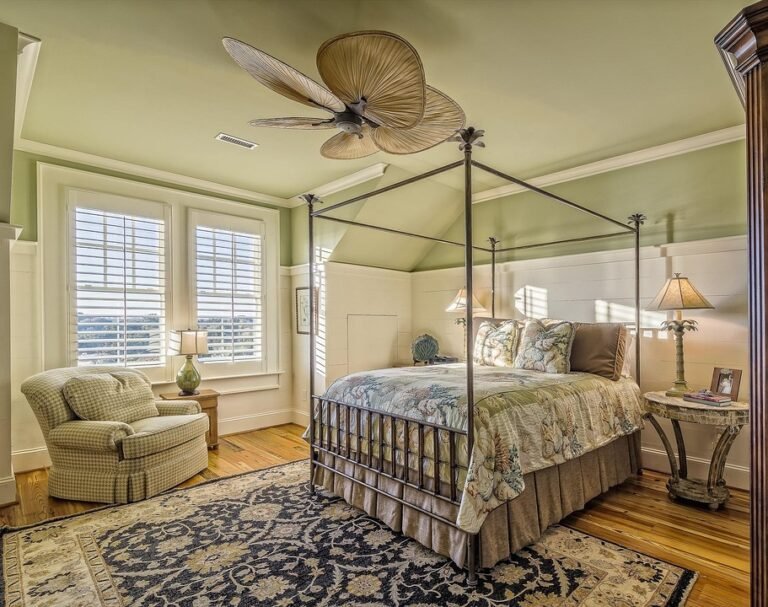
The bed is undoubtedly the centerpiece of your bedroom. When selecting a bed frame and mattress, consider the following:
- Size: Twin, full, queen, or king? Choose based on your space and personal needs.
- Style: Classic, modern, or rustic? The bed’s design should align with your overall aesthetic.
- Material: Wood, metal, or upholstered beds each offer unique benefits in terms of durability and look.
- Mattress Type: Explore options like memory foam, innerspring, or latex for comfort and support.
Nightstands and Bedside Tables
Nightstands serve both functional and decorative purposes. Select the style and number based on the space available:
- Height: Nightstands should be at or near the height of your mattress for convenience.
- Storage: Options with drawers or shelves can help keep essentials like books and lamps organized.
- Style Coordination: Choose a design that complements your bed frame and overall décor.
Dressing Tables and Storage Solutions
A well-organized bedroom includes adequate storage options to keep clutter at bay. Consider:
- Dressers: Look for pieces with enough drawers to accommodate all your clothing and accessories.
- Chests and Armoires: Opt for taller furniture if you have limited floor space.
- Closets: Utilize closet organizers to maximize your storage potential.
- Multi-functional Furniture: A bench with storage capacity or a bed with drawers can save space while providing additional utility.
Style and Aesthetic Considerations
Color Schemes
The colors you select for your furniture and décor profoundly impact the ambience of your bedroom. Think about the following:
- Light Colors: These can create an airy feel and make smaller spaces appear larger.
- Dark Colors: Darker hues create a cozy, intimate atmosphere but can make small rooms feel cramped.
- Accent Colors: Use pillows, throws, or artwork to introduce pops of color without overwhelming the space.
Design Themes
Establishing a cohesive design theme will help you select furniture that complements your vision:
- Modern: Emphasizes clean lines, minimalism, and functional pieces.
- Traditional: Focuses on ornate details and classic woodwork.
- Bohemian: A mix of textures, patterns, and colors for a relaxed vibe.
- Scandinavian: Highlights simplicity, functionality, and natural elements.
Buying Considerations
Quality Over Price
Investing in quality furniture is crucial. Inferior materials may save you money in the short term but can lead to dissatisfaction and additional costs in the long run. Look for solid wood, high-quality fabrics, and reliable construction.
Functionality
Take into account how functional a piece of furniture is. Features like extendable tables or adjustable shelves may offer added value, especially in smaller spaces.
Personal Style
Ultimately, your bedroom should reflect your personal style. Don’t hesitate to select pieces that resonate with your taste, even if they stray from conventional expectations.
Common Mistakes to Avoid
Overcrowding the Space
It’s tempting to fill every corner with furniture, but overcrowding can lead to a claustrophobic environment. Prioritize quality pieces that serve multiple purposes instead of cluttering the space with excess furniture.
Ignoring Proportions
Ensure that your furniture is proportionate to the size of your bedroom. Overly large furniture in a small room can create an imbalance and restrict movement.
Disregarding Lighting
Consider how natural light interacts with your furniture choices. For example, dark wood furniture may absorb light, making the room feel smaller. Aim for pieces that enhance the room’s brightness and energy.
Conclusion
Choosing the right furniture for your bedroom involves careful consideration of space, functionality, and personal style. By investing time in planning and selecting pieces that resonate with your aesthetic and meet your needs, you can create a sanctuary that is both stylish and comfortable. Remember that your bedroom is a reflection of you; take the steps necessary to make it a place you look forward to spending time in.
Frequently Asked Questions
What type of mattress is best for my back?
A medium-firm mattress is generally recommended for back support, as it helps maintain alignment while providing comfort. It’s essential to test different options to find what feels best for your body.
How can I maximize storage in a small bedroom?
Utilize multipurpose furniture such as beds with storage drawers and ottomans that open up for additional storage. Wall-mounted shelves and under-bed boxes can also help clear space.
What style should I choose for my bedroom furniture?
Your choice depends on your personal taste and existing decor. Consider styles that complement each other and create a cohesive look throughout the space.
Are there any eco-friendly options for bedroom furniture?
Many manufacturers offer eco-friendly furniture made from sustainable materials. Look for certifications like FSC (Forest Stewardship Council) to ensure your furniture is responsibly sourced.
How often should I update my bedroom furniture?
While there’s no set rule, updating your furniture every 5-10 years can keep your space feeling fresh. Consider making changes sooner if your taste evolves or your needs change.