Creating an inviting outdoor space can significantly enhance your home’s aesthetic and functional appeal. Whether you’re interested in a vibrant garden for summer barbecues or a cozy winter retreat, innovative landscaping ideas can help you utilize your yard year-round. Here’s a guide to transforming your outdoor space with creative, seasonal landscaping ideas that suit every taste and climate.
Embrace Seasonal Color
One of the simplest transformations you can make in your outdoor area is by introducing seasonal colors. Different plants peak during different times of the year, providing an evolving palette that reflects the changing scenery.
Spring Showers
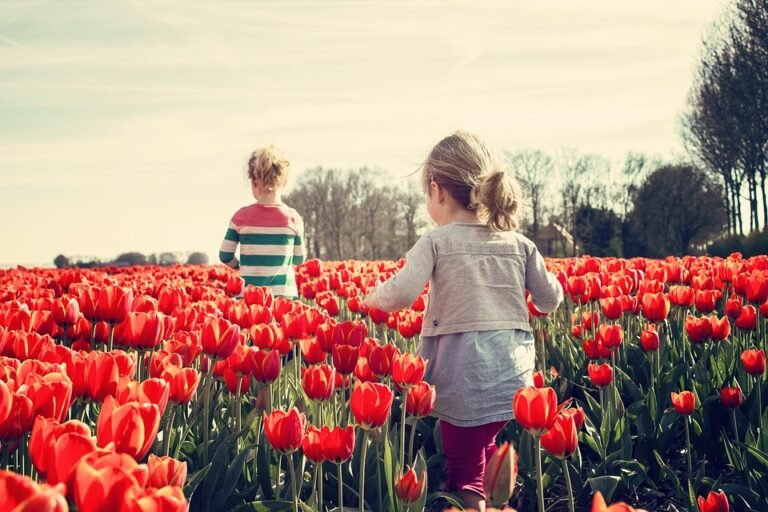
Focus on planting vibrant bulbs such as tulips and daffodils that will bloom in spring. Consider incorporating flowering shrubs like lilacs or azaleas to add depth and fragrance. Layering heights and colors offers an engaging visual appeal as everything comes back to life.
Summer Blooms
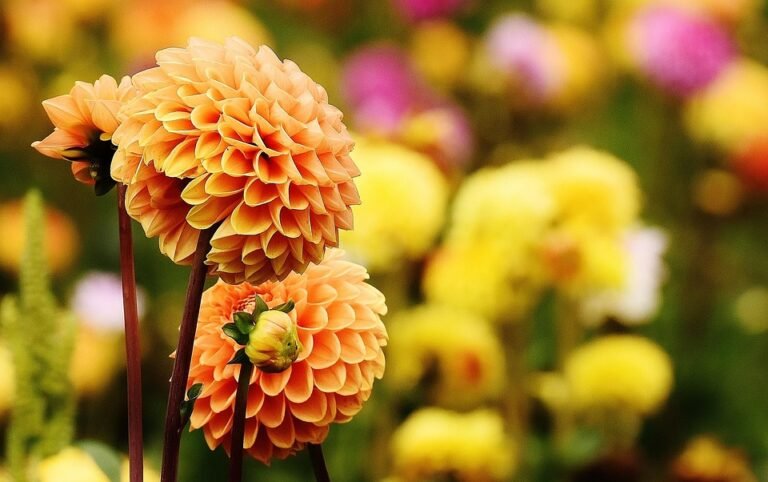
For the summer months, opt for robust perennials like coneflowers and daylilies. These plants not only thrive in the sun but also attract pollinators to your garden. Utilizing brightly-colored annuals like marigolds and petunias can add a pop of color to flower beds, pots, or hanging baskets.
Autumn Aesthetics
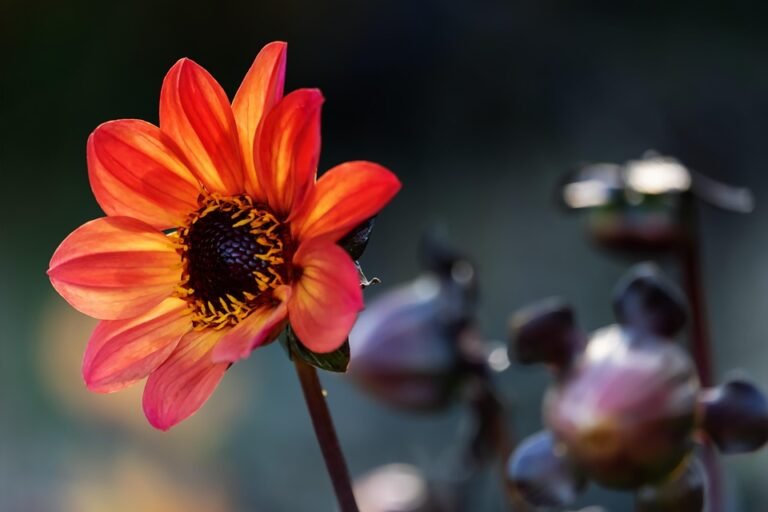
As summer fades, consider planting fall-blooming asters and chrysanthemums that thrive in cooler weather. Adding ornamental grasses can create movement and interest as they sway in the wind and reflect the autumn sunlight. For a dramatic touch, include some small trees or shrubs with colorful foliage.
Winter Wonderland
During winter, evergreen plants provide a lush backdrop while various twinkling lights can transform your outdoor space into a cozy retreat. Winterberry and holly can add festive color and texture, while ornamental evergreens define your landscape against the wintery backdrop.
Sustainable Landscaping
Utilizing sustainable practices not only benefits the environment but can enhance your outdoor living spaces significantly.
Native Plants
Consider using native plants that are adapted to your local climate. They require less water, fertilizer, and pesticides, making them an eco-friendly and low-maintenance option. For instance, if you live in a dry area, plants like lavender or sage can thrive without much care while giving a fragrant aroma and colorful display.
Rain Gardens
Integrating a rain garden can efficiently manage stormwater runoff while also beautifying your landscape. By selecting a depression in your yard, you can plant moisture-loving plants such as swamp milkweed and cardinal flower that thrive in these conditions. This not only supports local wildlife but can reduce water issues in your yard.
Functional Outdoor Living Spaces
Creating multi-functional areas in your yard makes your outdoor space more usable and inviting for gatherings and relaxation.
Patios and Decks
Investing in a patio or deck can serve as the perfect spot for entertaining. Whether made from pavers, wood, or composite materials, this area can serve as an anchor to your landscaping changes. Furnishing your outdoor area with weather-resistant furniture, a barbecue grill, or a fire pit can truly elevate the experience.
Garden Pathways
Incorporating pathways using stones, gravel, or timber can guide visitors through your garden. This not only enhances the aesthetic appeal but protects your plants from foot traffic damage. Consider lining pathways with attractive flowers or plants to create visual interest.
Water Features
Adding a water feature can inject tranquility and creativity into your landscape. Listen to the gentle sound of flowing water as you unwind in your space.
Ponds and Fountains
Depending on the size of your yard, you could opt for a simple birdbath, a rustic pond, or an elaborate fountain. Creating a habitat for fish and plants will enhance biodiversity while providing a stunning focal point.
Sustainable Water Solutions
Consider using a rain barrel hooked up to your gutter system to collect rainfall. This not only saves water but allows you to irrigate your plants sustainably. Position the rain barrel in a shaded area to help keep the water cool and prevent algae growth.
DIY Landscaping Projects
For the inventive homeowner, there are countless DIY projects that can add a homemade charm to your outdoor space. Here are a few ideas:
Vertical Gardens
Vertical gardening is an excellent way to maximize space, especially if you have a small yard or even an urban setting. You can create a trellis or use wall-mounted planters filled with flowers or even herbs, adding greenery without occupying precious floor space.
Custom Planters
Create personalized planters using reclaimed wooden pallets, concrete blocks, or terracotta pots. Designing unique containers can add character while accommodating various plants to suit your theme.
Lighting and Ambiance
The right lighting can completely transform the mood of your outdoor space. A well-lit garden not only extends your living space but also enhances safety for nighttime activities.
Landscape Lighting
Use LED landscape lighting to highlight pathways, trees, and features in your garden. Solar-powered options are eco-friendly and easy to install. Soft lighting can create an inviting atmosphere, while spotlighting can provide dramatic accents.
String Lights and Lanterns
Adding string lights or decorative lanterns can create a magical atmosphere during evening gatherings. Hang lights from trees or install posts to drape them, adding warmth to your outdoor area.
Maintaining a Year-Round Garden
To keep your outdoor space looking its best throughout the seasons, regular maintenance should be part of your routine.
Seasonal Cleaning
Clear away debris, dead leaves, and spent blooms regularly. Seasonal clean-up ensures that pests don’t take up residence in your garden. During fall, consider mulching to protect plant roots during winter.
Pruning and Fertilization
Regularly pruning your plants and trees encourages new growth and maintains shapes. Fertilizing as needed ensures your plants have the nutrients required to thrive during their active growing seasons.
Soil Health
Testing soil pH and nutrients can be invaluable in understanding how well your plants will thrive. Amending your soil based on the results ensures optimal growth conditions.
Conclusion
Transforming your outdoor space is an ongoing journey that can significantly enhance your home and lifestyle. By focusing on seasonal plantings, sustainable practices, functional spaces, and regular maintenance, you can create an inviting outdoor retreat that offers beauty and utility throughout the year. Whether you choose one innovative idea or many, a little creativity can go a long way in beautifying your landscape.
FAQ
What plants are best suited for fall planting?
Perennials like asters, ornamental grasses, and fall-blooming varieties such as chrysanthemums are excellent choices for fall planting.
How do I maintain my garden during the winter?
Focus on protecting plants with mulch and covering fragile species. Bringing potted plants indoors can also enhance their survival.
What’s the best way to create a DIY vertical garden?
Use wall-mounted planters, trellises, or hanging pots. Ensure you select lightweight plants and provide adequate drainage to prevent overwatering.
How can I make my outdoor space more eco-friendly?
Opt for native plants, create rain gardens, and use sustainable materials for landscaping. Managing water runoff efficiently also contributes to sustainability.
Is it necessary to hire a professional for landscaping?
While hiring a professional can provide expert insight and design, many homeowners can manage DIY projects effectively with careful planning and research.