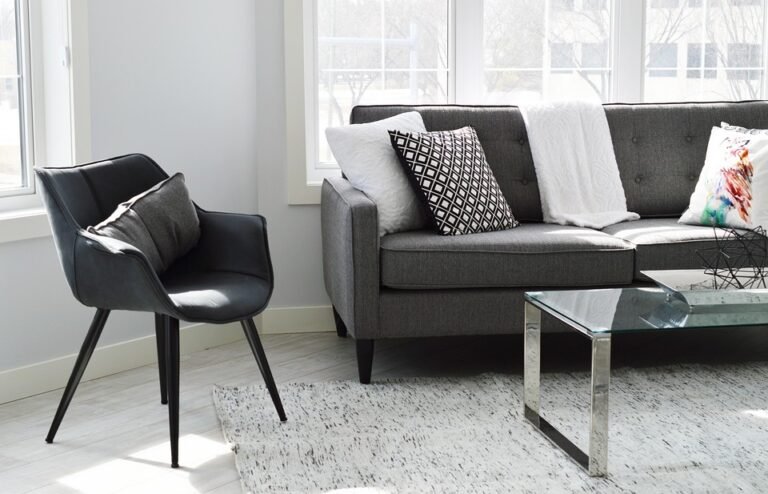
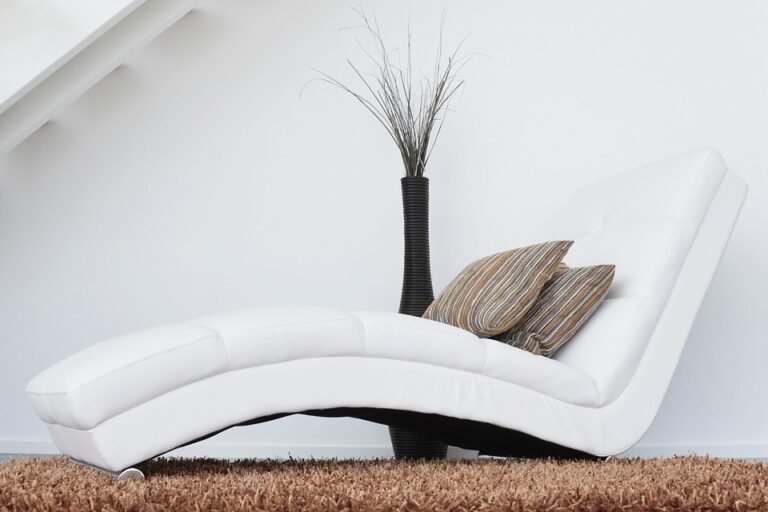
Creating a home that feels warm and inviting while also being mindful of our planet is a journey that many homeowners are eager to embark on. It’s about crafting a space that resonates with comfort and sustainability, balancing aesthetics with responsibility. Whether you’re redesigning a room or just looking to make subtle modifications, there are many avenues to explore that can transform your home into a sanctuary that nurtures both its inhabitants and the environment.
Understand Your Space
The first step toward creating a cozy and sustainable home is understanding the layout and energy dynamics of your space. Consider how natural light flows through your home and how the layout can be optimized to enhance this light. Here are a few ways to do this:
Assess Natural Lighting
- Identify which rooms receive the most sunlight throughout the day.
- Use sheer curtains to allow light to diffuse softly into your space.
- Consider adding mirrors strategically to reflect light and make spaces feel larger.
Evaluate Room Functionality
Think about how different spaces in your home serve various functions. Can a spare bedroom double as a home office? Is the living area large enough for both relaxation and entertainment? Optimize each space to maximize its use while minimizing clutter.
Prioritize Sustainable Materials
Your choice of materials plays a significant role in both sustainability and comfort. Opting for eco-friendly, durable materials increases your home’s lifespan while being kind to the planet.
Choose Eco-Friendly Furniture
When selecting furniture, consider pieces made from reclaimed wood, bamboo, or sustainably harvested materials. Not only are these materials more sustainable, but they also bring a natural element into your home.
Explore Non-Toxic Finishes and Paints
Conventional paints and finishes can release volatile organic compounds (VOCs), which can affect indoor air quality. Choose non-toxic, zero-VOC options to maintain a healthier environment. Brands focusing on sustainable options usually offer unique and appealing color palettes.
Implement Energy-Efficient Solutions
Enhancing energy efficiency not only helps reduce your carbon footprint but also reduces utility bills. Implementing simple solutions throughout your home can make a significant impact.
Upgrade to Energy-Efficient Appliances
- Look for the ENERGY STAR label when purchasing new appliances.
- Consider purchasing second-hand or refurbished appliances to minimize resource consumption.
Utilize Smart Home Technology
Smart thermostats, lighting systems, and appliances can significantly cut down energy use. For example, smart thermostats learn your schedule and adjust temperatures accordingly, optimizing energy use throughout the day.
Create Warm and Inviting Spaces
To foster coziness, focus on the sensory aspects of your home. This includes color schemes, textures, and scents that create a welcoming atmosphere.
Incorporate Textiles
Layering your home with different textiles can add warmth and character. Consider items such as:
- Soft throw blankets to invite relaxation.
- Pillows with varied textures to create interest.
- Area rugs to define spaces and enhance acoustics.
Utilize Color Wisely
Warm colors like soft yellows, earthy greens, and gentle blues create an inviting ambiance. Use paint or decor items in these tones to influence the mood of each room.
Incorporate Nature
Bringing the outdoors inside can enhance both the look and feel of your home. Research shows that natural elements contribute to feelings of well-being and tranquility.
Add Indoor Plants
Not only do indoor plants purify the air, but they also add a vibrant element to your decor. Some easy-care options include:
- Snake plants
- Peace lilies
- Spider plants
Use Natural Decor Items
Decorate with items like stones, driftwood, or even seasonal flowers to connect your interior with the natural world. These elements are not only sustainable but also add character and a personal touch to your space.
Optimize Cleaning and Maintenance
An essential aspect of maintaining a cozy and sustainable home is regular cleaning and maintenance. However, it’s crucial to use eco-friendly products as you tidy up.
Choose Green Cleaning Products
Many conventional cleaning products contain harmful chemicals. Substitute them with natural alternatives such as vinegar, baking soda, and essential oils. There are also many reputable brands offering biodegradable cleaning supplies.
Emphasize Zero-Waste Practices
Be mindful of waste by implementing zero-waste practices in your home, such as:
- Composting organic waste.
- Using reusable cloths instead of paper towels.
- Investing in refillable cleaning products.
Design for Flexibility
The modern home must adapt to the changing needs of its inhabitants. Designing spaces that are flexible can turn your home into a much more enjoyable environment.
Multi-Functional Furniture
Furniture that serves more than one purpose enhances both comfort and usability. Examples include:
- Sofa beds for guests
- Coffee tables with storage features
- Expandable dining tables for entertaining
Adaptable Spaces
Consider creating open-concept areas that can serve multiple functions. Use folding screens or movable partitions to adjust the environment depending on your needs.
Embrace DIY Projects
Engaging in DIY projects allows for personal expression while also being frugal and sustainable. Upcycling old furniture or creating décor from repurposed materials can add uniqueness to your home.
Personalized Crafts
Crafting your own decorations or furniture can be highly rewarding. Consider projects like:
- Converting crates into shelving units.
- Restoring old furniture with paint or new upholstery.
- Creating wall art from leftover materials.
Engage with Your Community
Your home’s sustainability can also extend beyond its four walls. Engaging with your local community can yield support for eco-friendly initiatives and promote neighborly connections.
Participate in Local Gardening Initiatives
Joining community gardens not only supports sustainability but also allows for social interaction. You can share tips and resources with fellow gardeners, enriching your own gardening experience.
Shop Local
Support local artisans and businesses by sourcing furniture, decor, and other home essentials nearby. This not only reduces carbon emissions associated with shipping but also strengthens local economies.
Conclusion
Creating a cozy and sustainable home environment is a blend of thoughtful design choices and mindful practices. Each decision you make contributes to a space that offers comfort and warmth while embracing a responsible and eco-friendly lifestyle. Start small, make gradual changes, and enjoy the process of transforming your home into a sanctuary that reflects not only your personal style but also your values.
FAQ
What materials should I avoid when trying to create a sustainable home?
Avoid materials such as non-recyclable plastics, synthetic fibers, and conventional paints that contain harmful chemicals and VOCs. Opt for natural, renewable, and biodegradable materials instead.
How can I improve my home’s energy efficiency without spending a lot of money?
Simple changes, such as sealing drafts around windows and doors, adding insulation, and using energy-efficient light bulbs, can significantly impact energy efficiency without a large investment.
What are some low-maintenance indoor plants for beginners?
Some beginner-friendly indoor plants include snake plants, pothos, and ZZ plants. These options are hardy, require minimal care, and thrive in various lighting conditions.
How can I make my cleaning routine more eco-friendly?
Use natural cleaning ingredients like vinegar, baking soda, and lemon juice. Additionally, switch to reusable cleaning cloths and choose biodegradable or concentrated cleaning products.
What are some easy DIY projects to enhance my home’s coziness?
Consider projects like creating throw pillows from fabric scraps, painting old furniture, or crafting a unique gallery wall with personal artwork or photographs.