A clutter-free living space is essential not only for aesthetics but also for promoting a sense of well-being and calm. Many homeowners struggle with disorganization, often leading to stress and frustration. However, transforming your home into an organized oasis is achievable with the right strategies. Below, you’ll find a collection of essential tips and insights aimed at helping you declutter your living space effectively.
Understand Your Space
Before diving into organization methods, take a moment to assess your living space. Understanding its layout, dimensions, and functionality is crucial to making a plan that works for you.
Evaluate What You Have
Begin by noting the areas that cause you the most frustration. Perhaps it’s the overflowing closet or that cluttered kitchen countertop. Make a checklist of these spaces and prioritize them based on importance and frequency of use.
Define Your Goals
What do you want your space to look like? Consider your lifestyle and daily habits. Setting specific, realistic goals will make it easier for you to design a space that caters to your needs. Visualizing your end goal can be a powerful motivator.
Decluttering: The First Step
Once you’ve evaluated and set your goals, the next step is decluttering. This process involves removing items that no longer serve a purpose in your home.
The Four-Box Method
To streamline your decluttering, adopt the Four-Box Method:
- Keep: Items you use regularly or have sentimental value.
- Donate: Items in good condition that you no longer need.
- Trash: Broken or damaged items that cannot be repaired.
- Storage: Seasonal items or stuff you rarely use but still want to keep.
By categorizing your belongings this way, you’ll be able to make quicker decisions about what to keep and what to let go.
Maximize Organization Through Smart Storage Solutions
After decluttering, it’s time to find the best ways to store your remaining items. Efficient storage solutions can make a world of difference.
Customized Storage Options
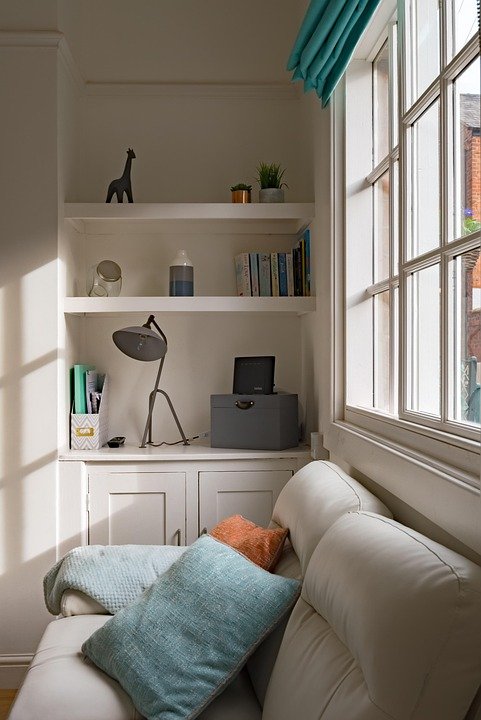
Consider investing in customized storage solutions that fit your specific needs. Whether it’s built-in shelves in your living room or a closet organizer in your bedroom, tailored solutions maximize space efficiency.
Multi-Functional Furniture
Furniture that serves more than one purpose can greatly reduce clutter. Look for:
- Storage ottomans: Ideal for hiding blankets or toys while providing seating.
- Bed frames with drawers: Perfect for storing seasonal clothing or linens.
- Convertible coffee tables: Options that can expand for guests or include hidden compartments.
Develop Daily Habits
To maintain an organized home, establishing daily habits is essential. The key is to integrate small actions into your routine that will help keep clutter at bay.
The 10-Minute Tidy-Up
Set aside just 10 minutes each day to tidy up your space. Pick up items that don’t belong where they are, return them to their rightful places, and wipe down surfaces. This short burst of activity can significantly impact the overall cleanliness and organization of your home.
One In, One Out Rule
When you bring a new item into your home, consider removing an existing one. This simple rule helps maintain a balanced environment and prevents accumulation.
Utilizing Vertical Space
In smaller homes, utilizing vertical space can free up floor space and reduce clutter. Consider these tips:
Wall-Mounted Shelves
Install floating shelves or wall-mounted units to store books, decorative items, or kitchen essentials. This utilizes previously unoccupied space and keeps items accessible.
Hooks and Pegboards
Install hooks in areas like entryways or kitchens to hang bags, keys, or utensils. Pegboards offer a versatile solution for organizing tools in a garage or supplies in a craft room.
Seasonal Organization Strategies
As the seasons change, so do our organization needs. Take the time to adjust your organization systems accordingly.
Swap Seasonal Wardrobes
Every season, review your clothing. Store away seasonal items in labeled bins or vacuum-sealed bags to optimize closet space. Rotate clothing based on the season to maintain a streamlined wardrobe.
Refresh Your Decor
Change out seasonal decor items to keep your home feeling fresh. This encourages a regular decluttering rhythm and rejuvenates your space throughout the year.
Involve the Family
Getting everyone in the household involved in the organization process fosters teamwork and ensures that everyone maintains a tidy living space.
Set Up Family Organization Zones
Create specific areas for each family member’s belongings. For example, assign baskets or bins for children’s toys or books. Establishing these zones sets clear expectations for organization.
Family Cleaning Days
Schedule regular cleaning and organizing days as a family. Not only does this keep your home organized, but it also strengthens family bonds through teamwork.
Evaluate and Adapt Regularly
Organization is not a one-time task but an ongoing process. Schedule periodic evaluations of your organization systems to see if they continue to meet your needs.
Reflect on Your Systems
Assess the effectiveness of your organization strategies regularly. Are there areas still causing chaos? Be open to adjusting your systems as needed—what worked in one season might not fit in another.
Embrace Change
As your lifestyle changes, so do your organization needs. Perhaps you’ve taken on a new hobby that requires additional storage solutions. Stay flexible and adapt your organization methods accordingly.
Conclusion
Creating a clutter-free living space requires effort, mindfulness, and a strategic approach. By understanding your space, implementing efficient storage solutions, developing good habits, and regularly evaluating your organization systems, you can achieve a home that is both organized and inviting. Remember, a clutter-free environment promotes not only aesthetic appeal but also emotional well-being, making your living space a sanctuary for both you and your family.
Frequently Asked Questions
How do I start decluttering when I feel overwhelmed?
Begin with small tasks, like a single drawer or corner. Remember the Four-Box Method to categorize items and make decisions easier.
What are some effective storage solutions for small spaces?
Utilize vertical storage with wall-mounted shelves, multi-functional furniture, and under-bed storage options to maximize your space.
How can I encourage my family to keep our home organized?
Create designated zones for each family member’s items, schedule family cleaning days, and teach the importance of maintaining a clutter-free environment.
What should I do with items I want to donate?
Set up a donation box and regularly take it to local charities or organizations. Ensure items are in good condition and currently useful.
How often should I evaluate my organization systems?
It’s beneficial to review your systems at least once a season. This will help you adjust and ensure they meet your evolving needs.